Applied Case: The Clone Wars
September 2026 note: The central diagnosis survives: the Jedi perceive moral danger in persons more readily than domination embedded in procurement, emergency power, command structure, and dependence. Later work makes the failure more exact. The Jedi face a structural-representation failure when clone personhood and the army's wider political effects remain secondary; a constitutional/jurisdictional failure when guardians become generals inside an emergency structure they do not control; and a material-correction failure as dependence on the army and the war makes stepping outside the frame progressively harder. Security Instruments also adds an important limit to the reading: the problem is not that force, defense, or emergency action are intrinsically corrupt. Temporary battlefield action may be justified. The danger is normalization—when the protection instrument becomes sovereign over the field, clone slavery becomes infrastructure, and the institution charged with moral interruption loses the independent position from which it could still say no. Personal kindness toward individual clones never substitutes for repairing the structure that makes them commandable property.
I don't have to explain Star Wars, right?
The Jedi did not fall because they failed to detect evil in time. They fell because they learned to detect evil in the wrong forms and places.
This is the strange moral horror at the center of the Clone Wars. The Jedi Order exists to perceive domination, fear, coercion, spiritual corruption, and the deformation of life by power. That is their entire public meaning. This is not supposed to be a normal political agency. They are not supposed to be a military class. They are not supposed to be impressive swordsmen who happen to advise the Senate.
The Jedi are supposed to notice when the living field is being bent toward captivity.
Then, a slave army appears.
This is not a metaphorical slave army. Not a regrettable conscription system. Not an ordinary military draft distorted by emergency.
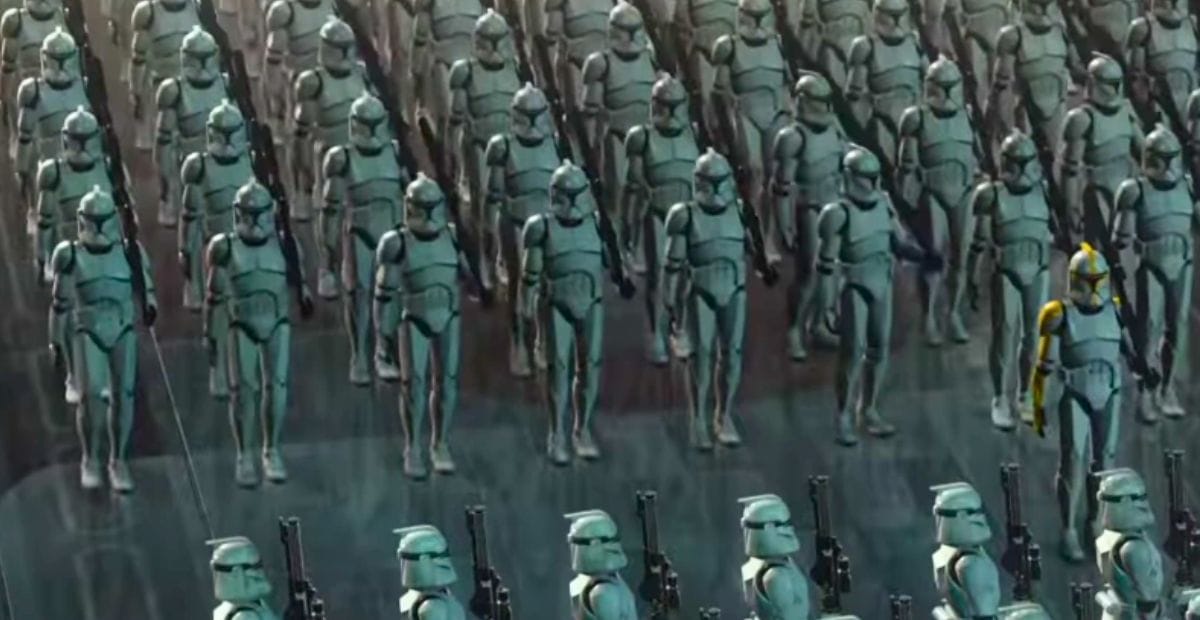
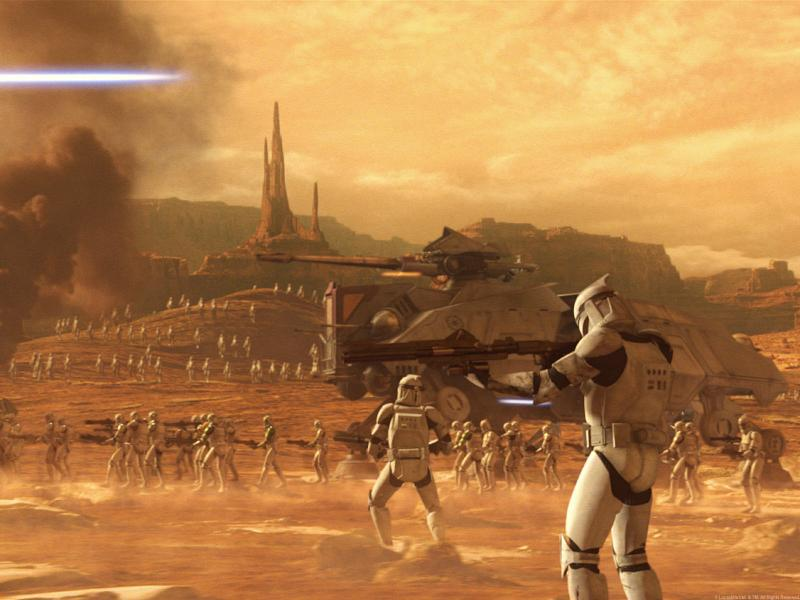
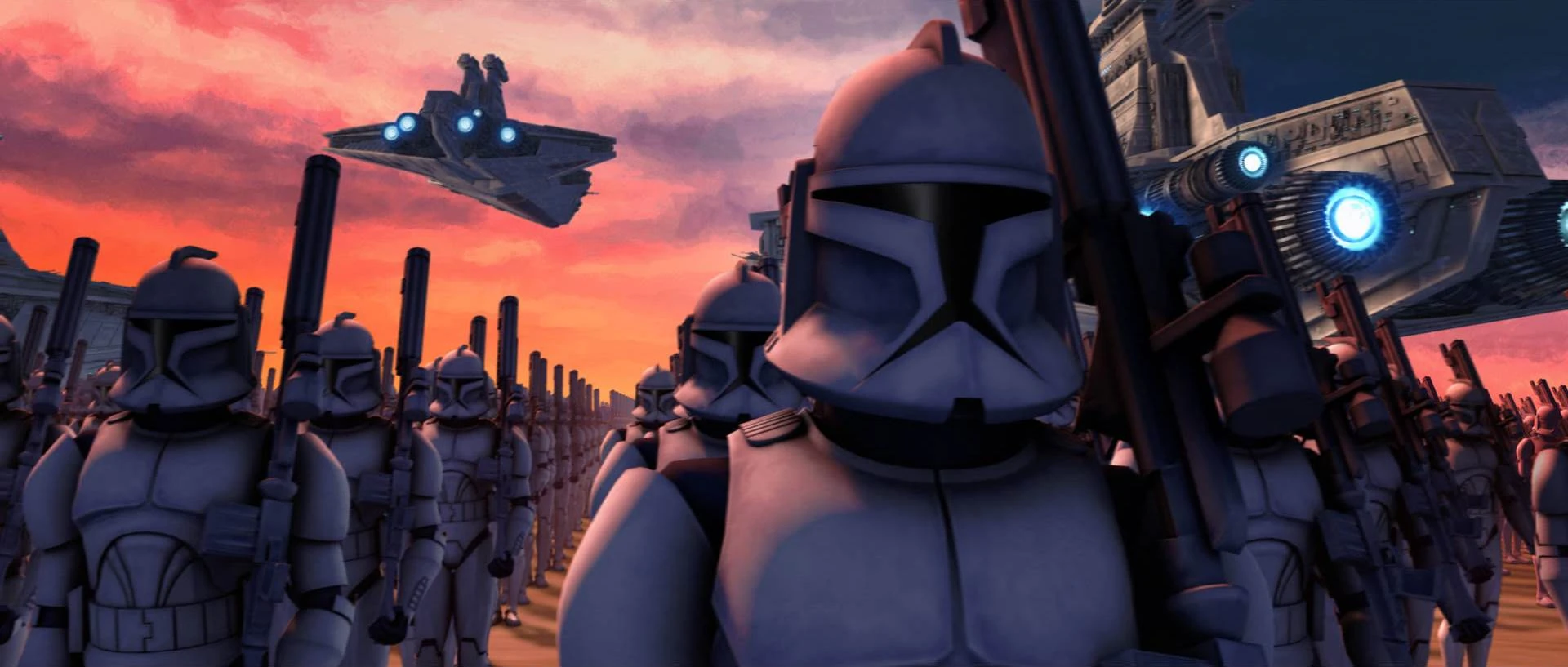
The clone army is a manufactured population bred for obedience, trained from childhood, aged artificially, denied ordinary political personhood, and delivered to the Republic exactly when the Republic needs force.
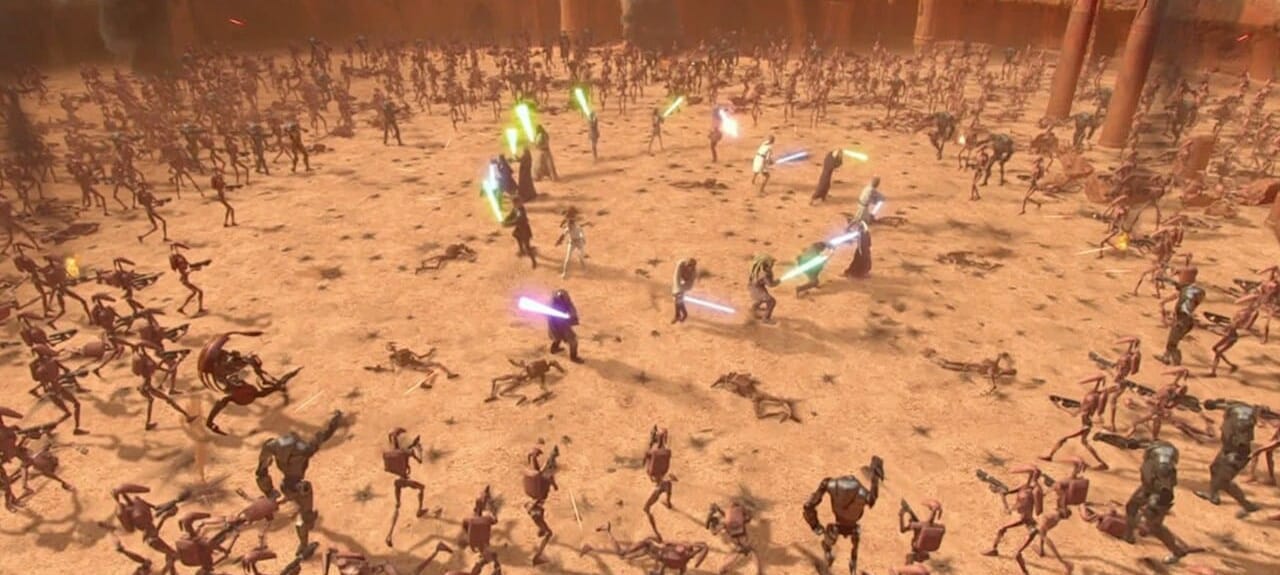
Its origin is suspicious. Its authorization is suspicious. Its funding is suspicious. Its timing is suspicious. A dead Jedi’s name is attached to it. The Sith are already suspected of manipulating galactic events. The entire thing should have registered as a moral detonation.
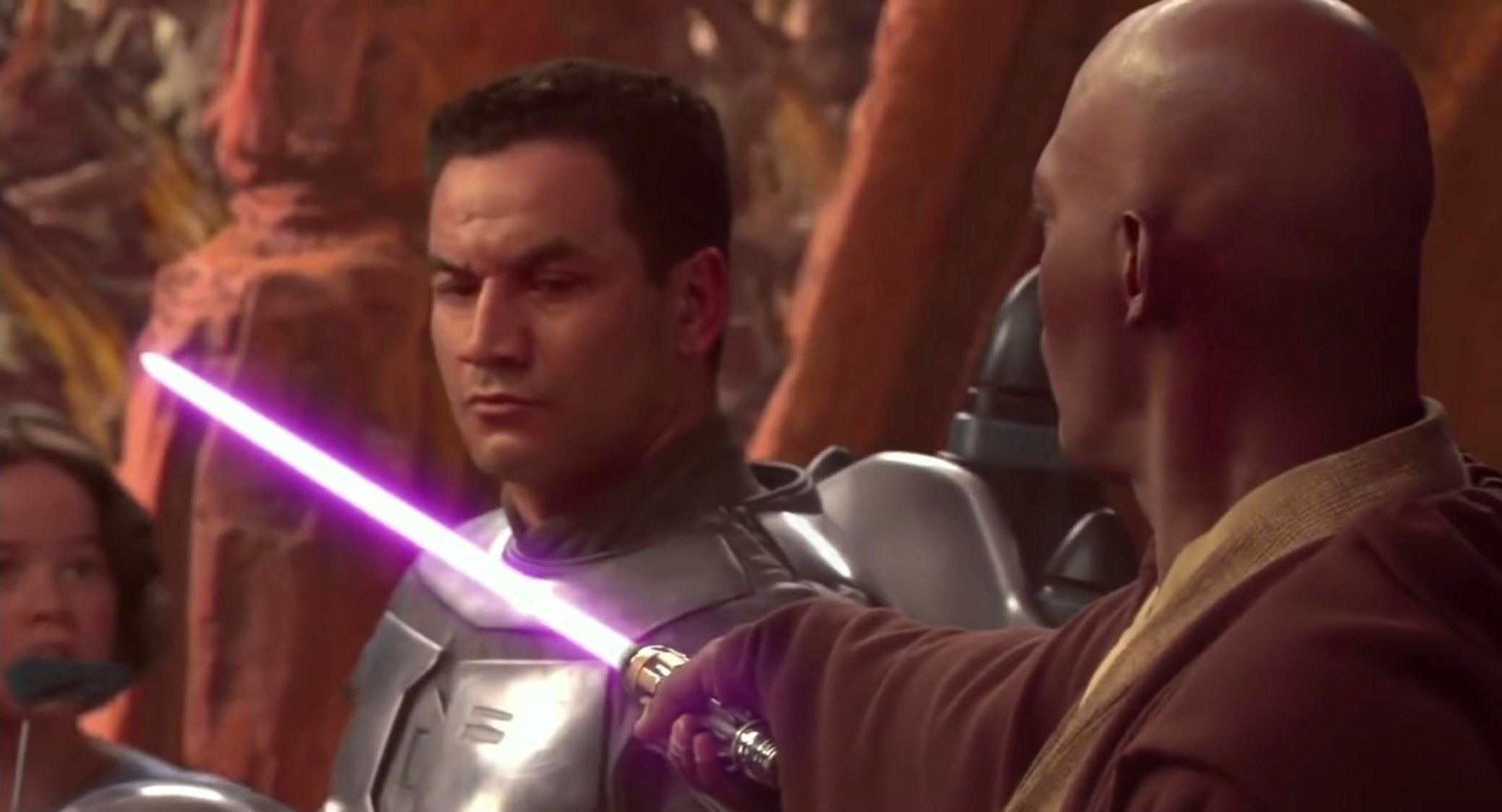
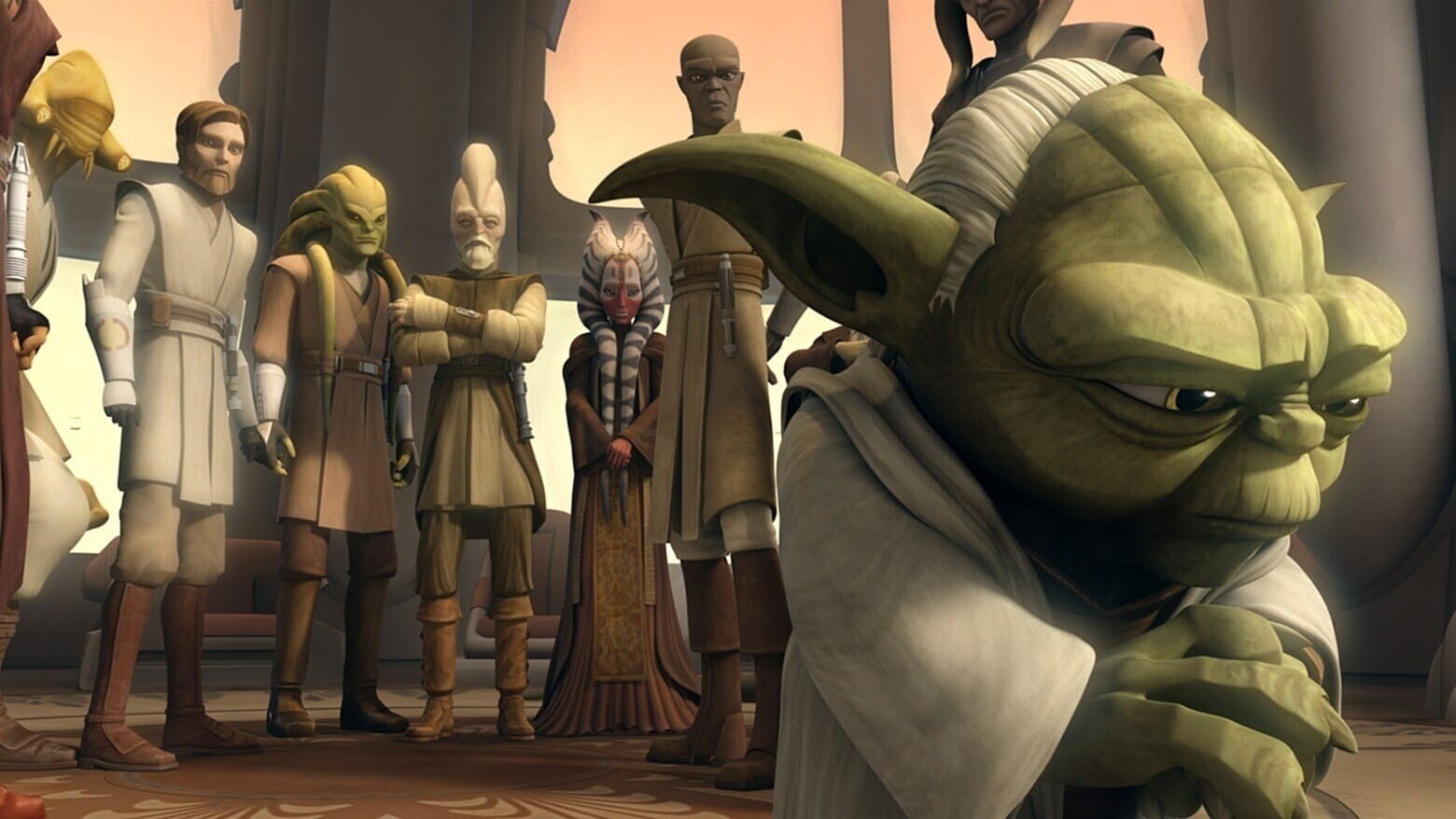
Instead, the Jedi take command.
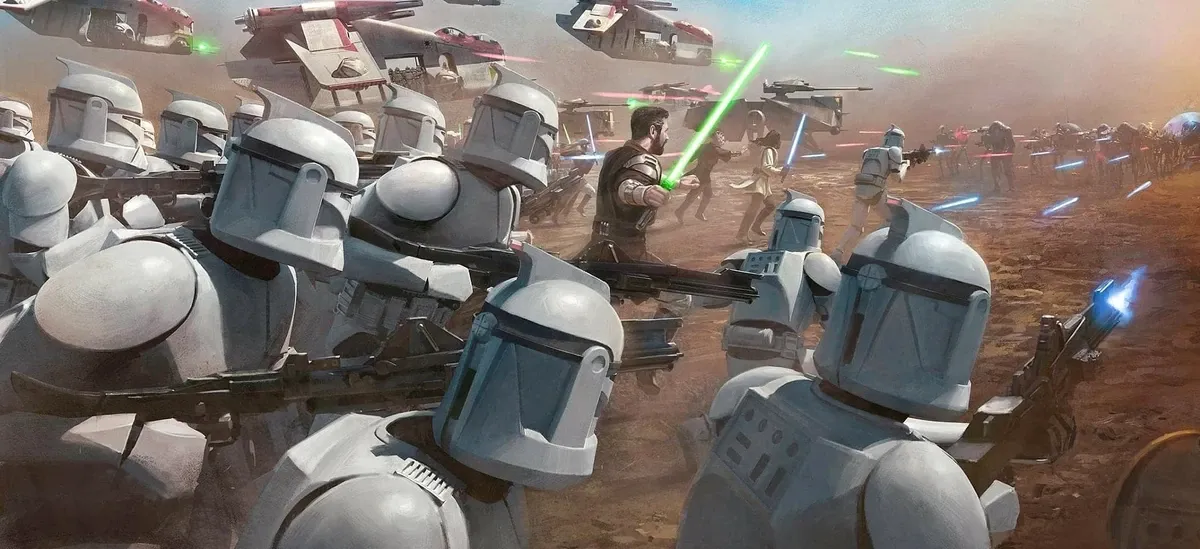
This is the decisive failure. This kills the Jedi. Not Order 66. Not Anakin’s last turn. Not the Senate’s final applause. Those matter, but they are all downstream. The core institutional failure happens earlier, when the Jedi accept the clone army as the necessary instrument of repair.
They do not become the Empire all at once. They become useful to the Empire before the Empire has announced its name.
The Trap != Order 66.
Order 66 is often treated as the moment the Jedi were betrayed. That is true at the level of material events. It is not true at the level of the field.
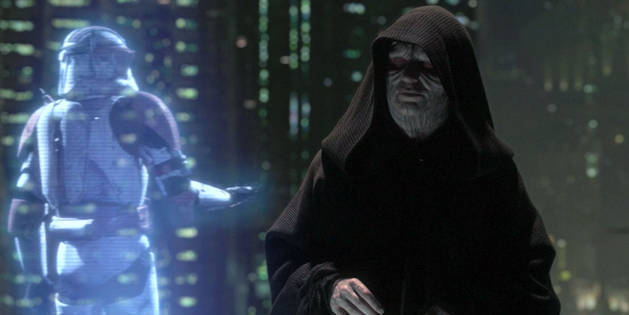
By the time the order is given, the Jedi have already spent years inside the machinery that will erase them.
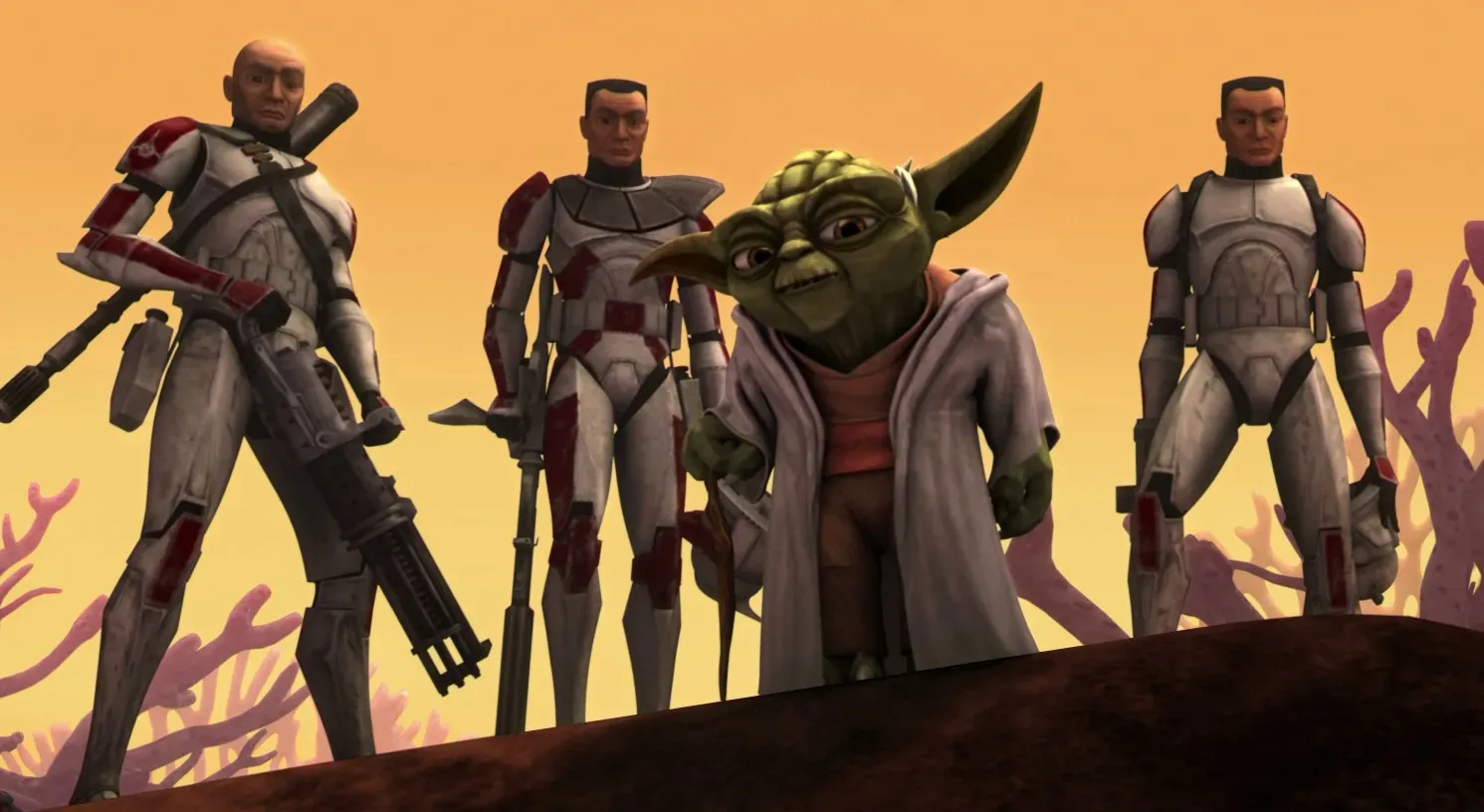
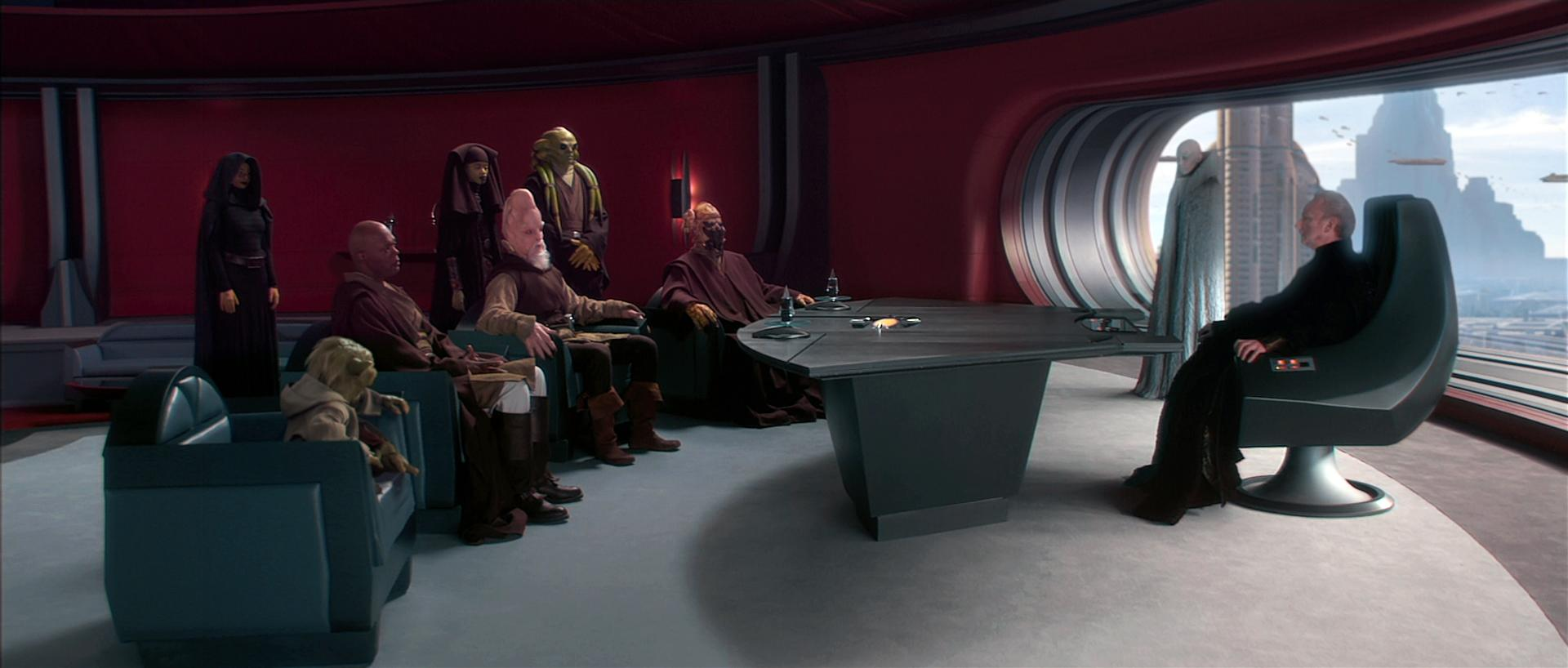
They command the clones. They depend on the clones. They have become the public face of a war administered through centralized emergency power. The Senate now sees them as generals, not Jedi. The public sees them as commanders, not Jedi. The Chancellor sees them as assets until they become liabilities.
Order 66 does not create the trap. It just activates it. The Jedi had been living comfortably in the trap for a while.
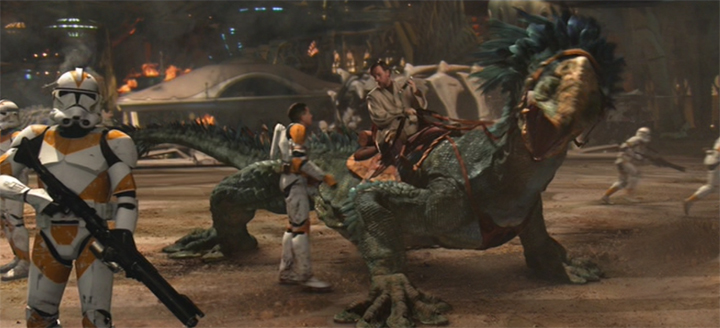
A moral analysis that begins with betrayal begins too late. The question is not only why the clones turned on the Jedi. The deeper question is why, exactly, the Jedi were standing in command of enslaved soldiers in the first place.
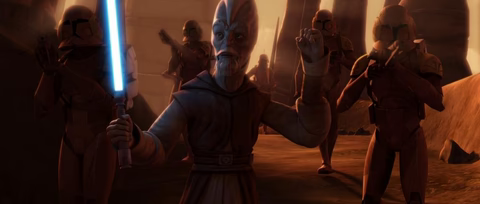
The Jedi were not ambushed by an army they had refused. They were killed by an army they had normalized.
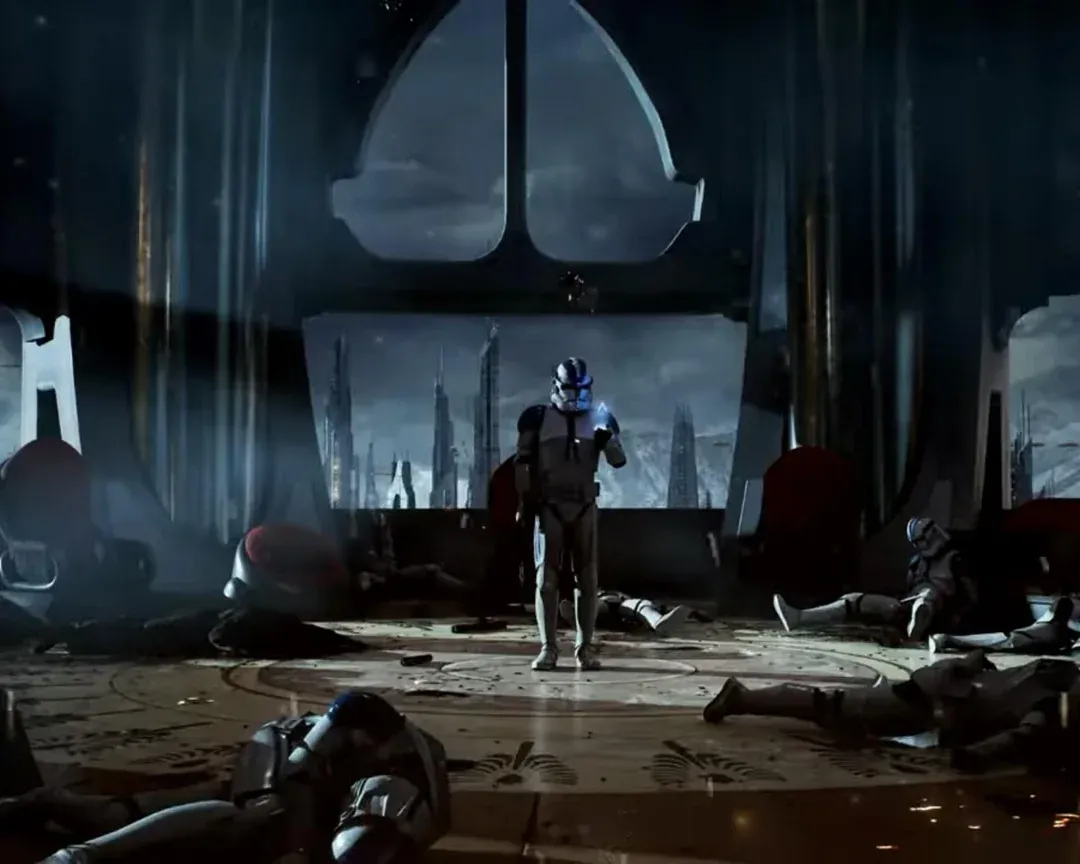
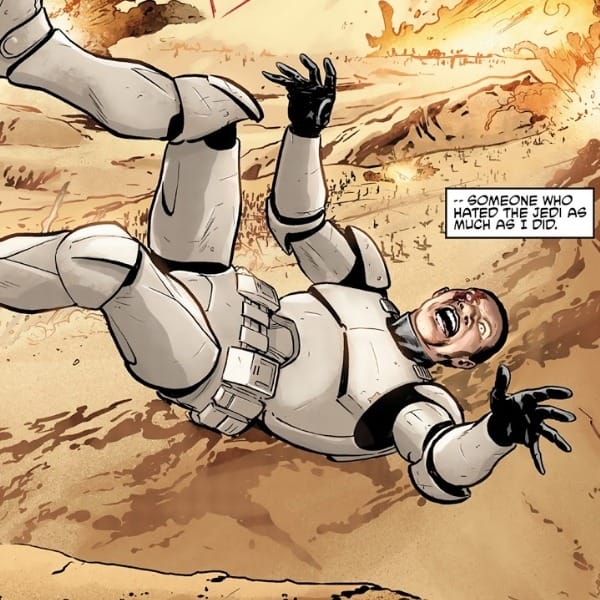
That does not make the clones villains. They are the most grotesquely exploited population in this entire political design. Their betrayal was not ordinary treachery. It was the final use of people who had been engineered, conditioned, and neurologically compromised to be usable. The clones were not simply the weapons turned against the Jedi. These were the victims the Jedi failed to recognize soon enough.
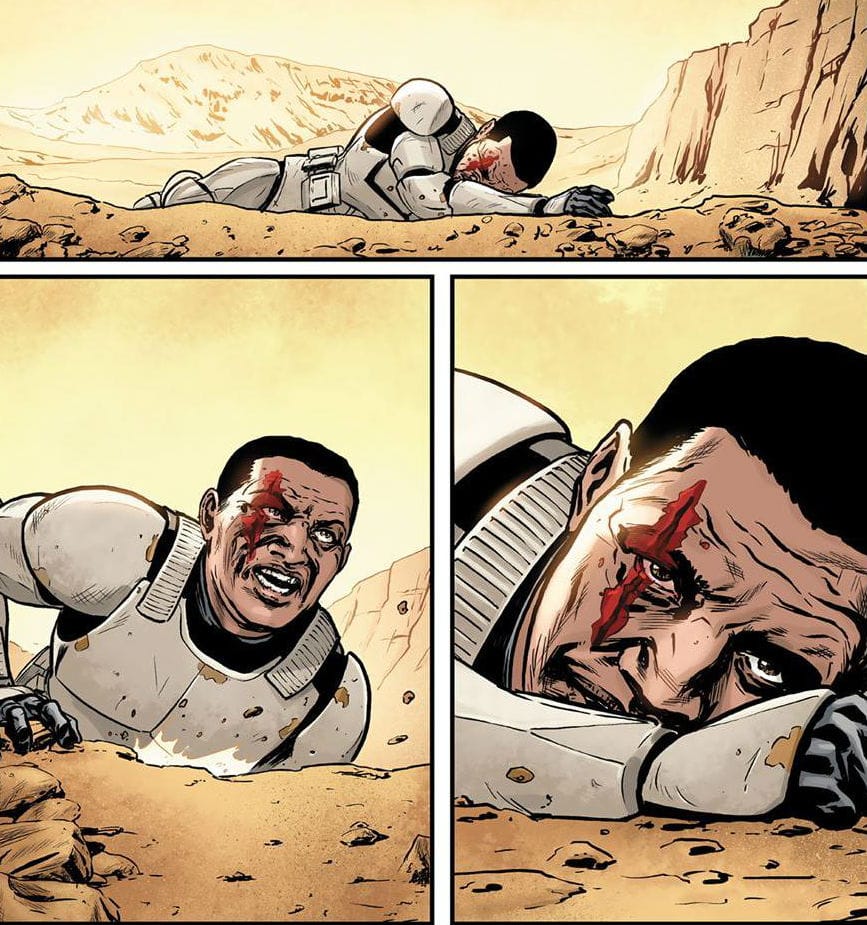
That is why the clone army is the key case to audit in the Star Wars universe. This is the place where the Jedi’s moral perception should have been strongest, and it is the place where it fails most completely.
Moral Perception Without Field Perception.
The Jedi are not without moral vision. This is not a controversial thing to say.
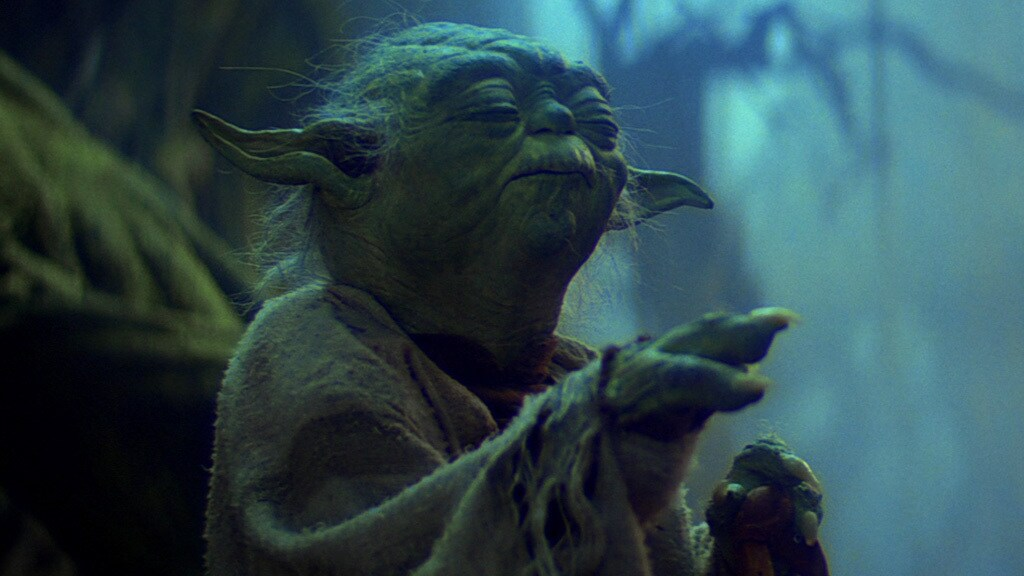
They perceive fear. They perceive anger. They perceive hatred. They perceive the pull of domination inside individual persons. They can sense when a student is unstable or a politician is hiding something, when a warrior is being consumed by revenge, when the dark side has taken root in a soul.
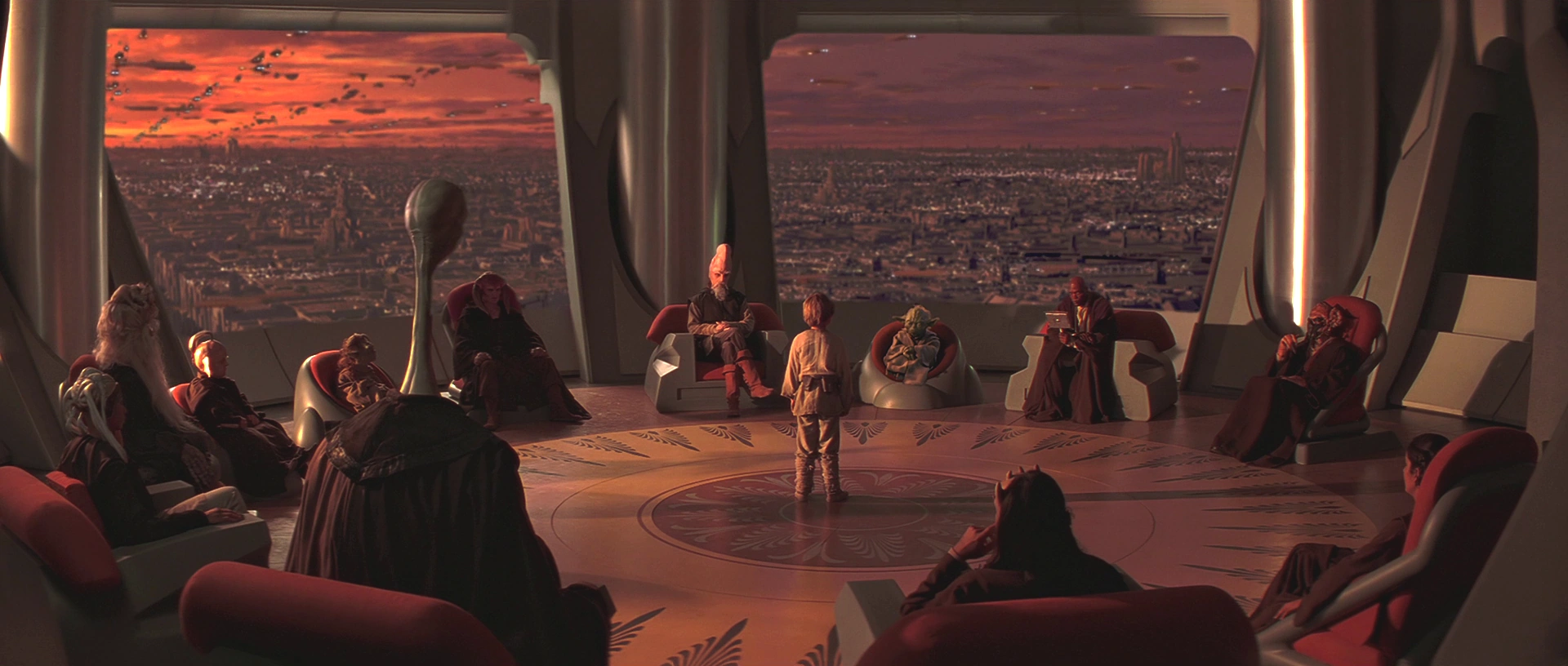
But Palpatine does not defeat them by appearing before them as a snarling monster they can slash. He doesn't even shoot any lightning.
He defeats them through procurement.
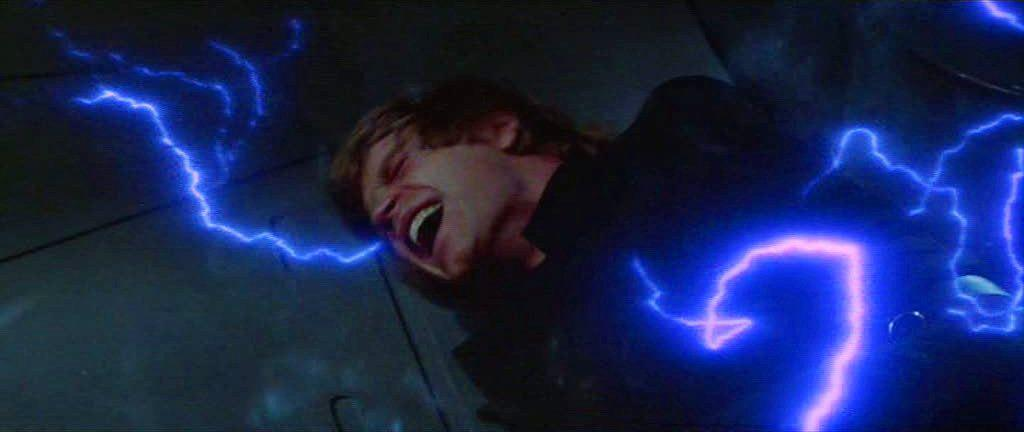
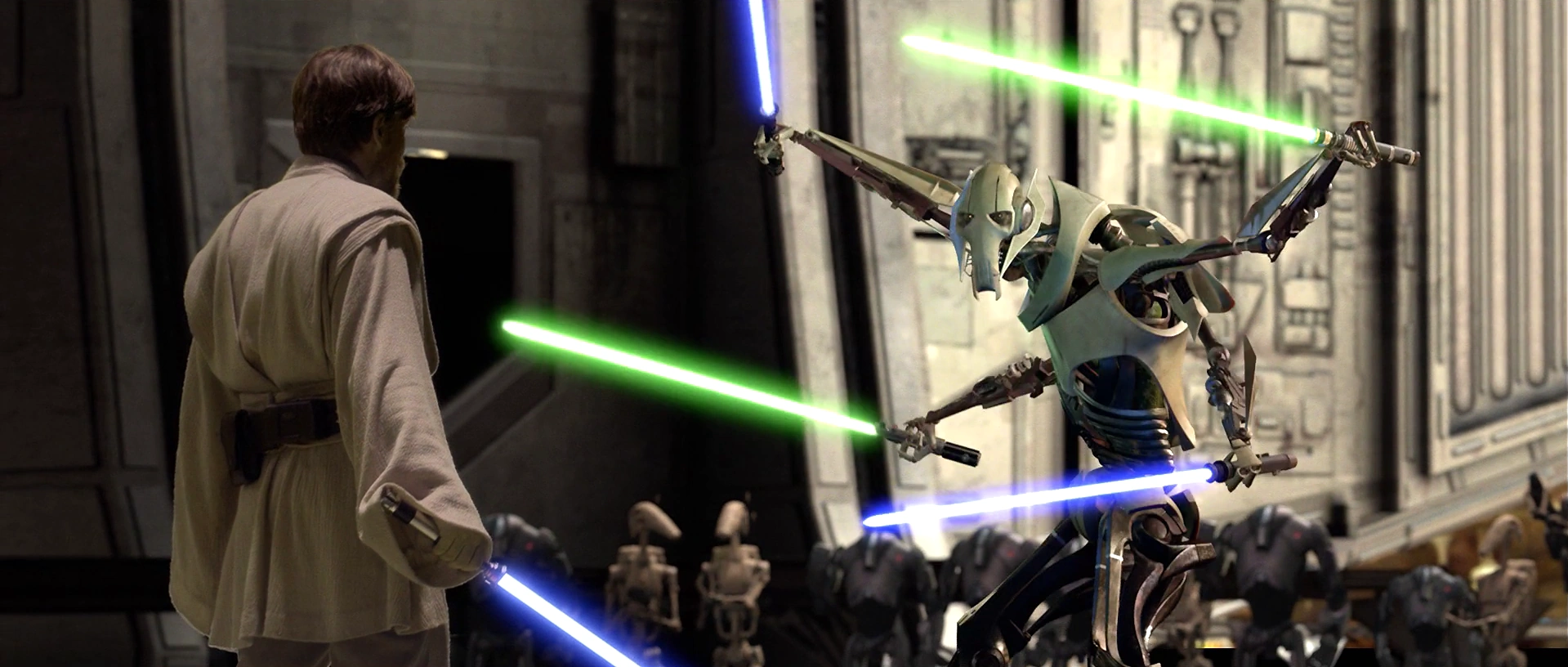
He weaponizes emergency authorization, military necessity, constitutional procedure, chain of command, and the administrative conversion of fear into power.
The Jedi are watching for darkness as passion. Palpatine gives them darkness as logistics.
This is the critical field-analysis failure. The Jedi can often detect corruption in persons, but they are far weaker at detecting domination embedded in institutions. They search for the Sith as a hidden actor. They do not fully grasp the Sith strategy as a field design.
The clone army is not just a military resource. It creates a new galaxy.
This army makes the Republic dependent on centralized force. It turns the Jedi into generals. It gives the Chancellor a war that justifies emergency power. It lets the Senate postpone moral scrutiny under the pressure of survival. It gives the public a clean visual distinction between Republic order and Separatist threat. It places the Jedi inside a hierarchy they do not control. It builds the enforcement substrate of the future Empire in plain sight.
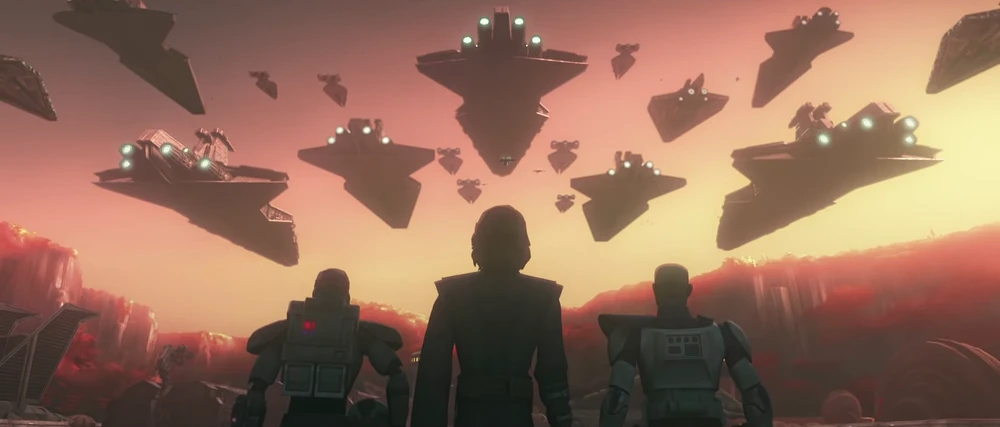
The Jedi ask whether the clone army can defend the Republic. They do not adequately ask what kind of Republic can be defended by a slave army.
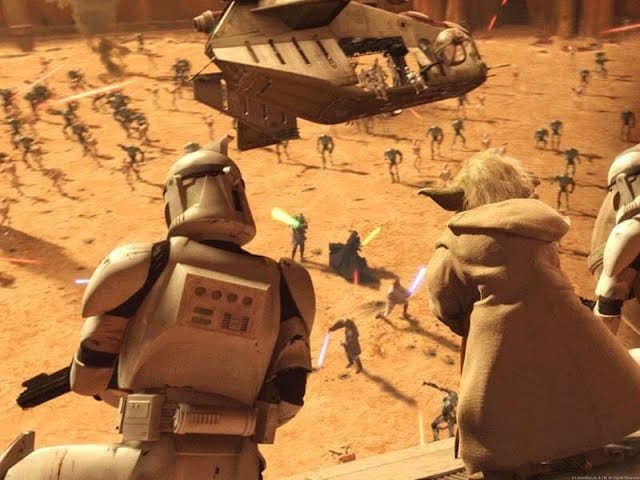
That is the difference between local moral perception and field perception. Local perception asks what must be done in the crisis. Field perception asks what the crisis is making reachable.
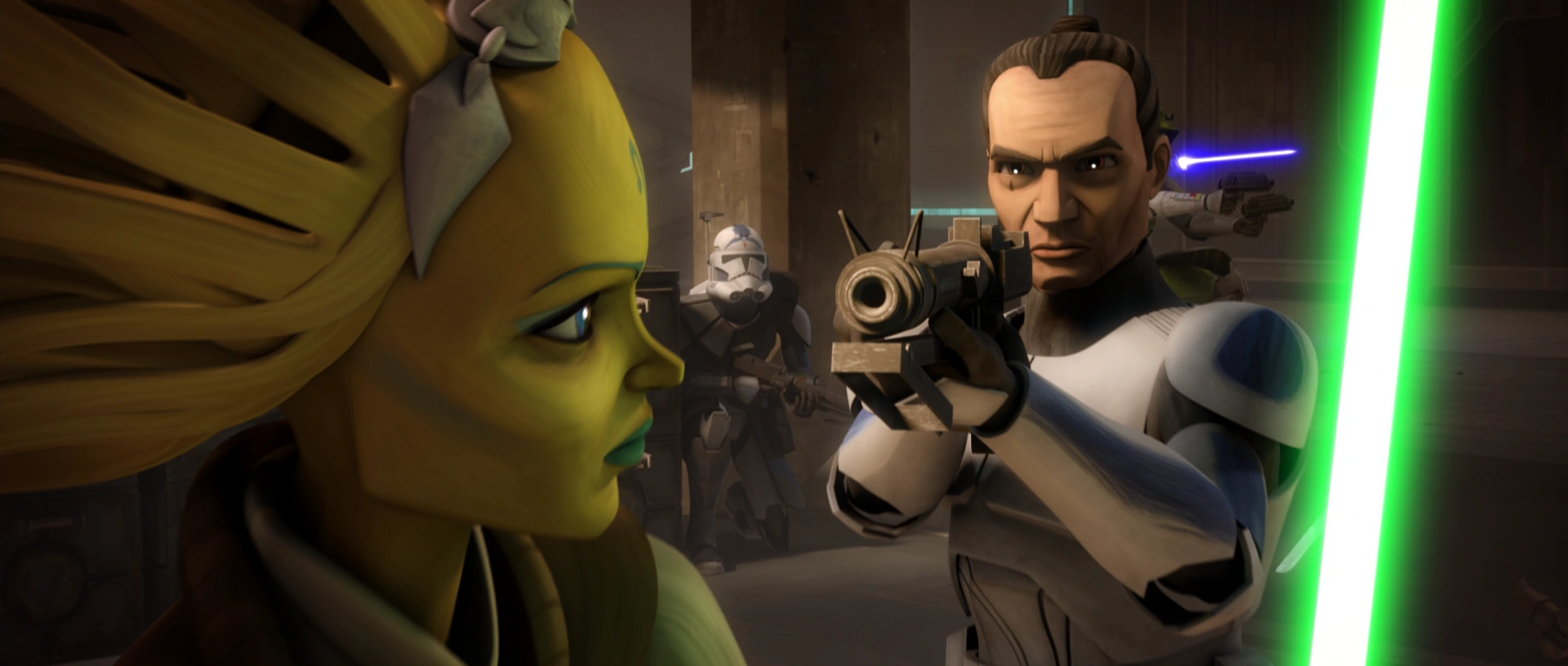
The Clone Wars make the Empire reachable.
A Wildly Convenient Slave Army.
The clones are people.

This really should not have been a difficult conclusion for the Jedi. The clones think, speak, fear, hope, joke, mourn, improvise, form friendships, and develop names. These are not droids. They are not biological equipment. They are not a neutral asset class. These are persons created under conditions of total domination.

The Jedi often treat individual clones with respect. Many Jedi fight beside them, grieve them, trust them, and form real bonds with them. That prevents the failure from becoming cartoonish.
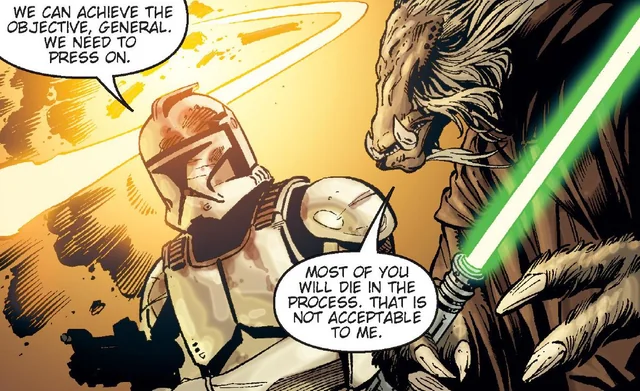
But personal kindness is not institutional repair.
A general can be kind to a soldier and still participate in an entirely unjust structure. A commander can respect individual troops while failing to challenge the conditions that made those troops disposable. The Jedi’s battlefield decency toward clones does not answer the deeper question of whether they had any right to command them.
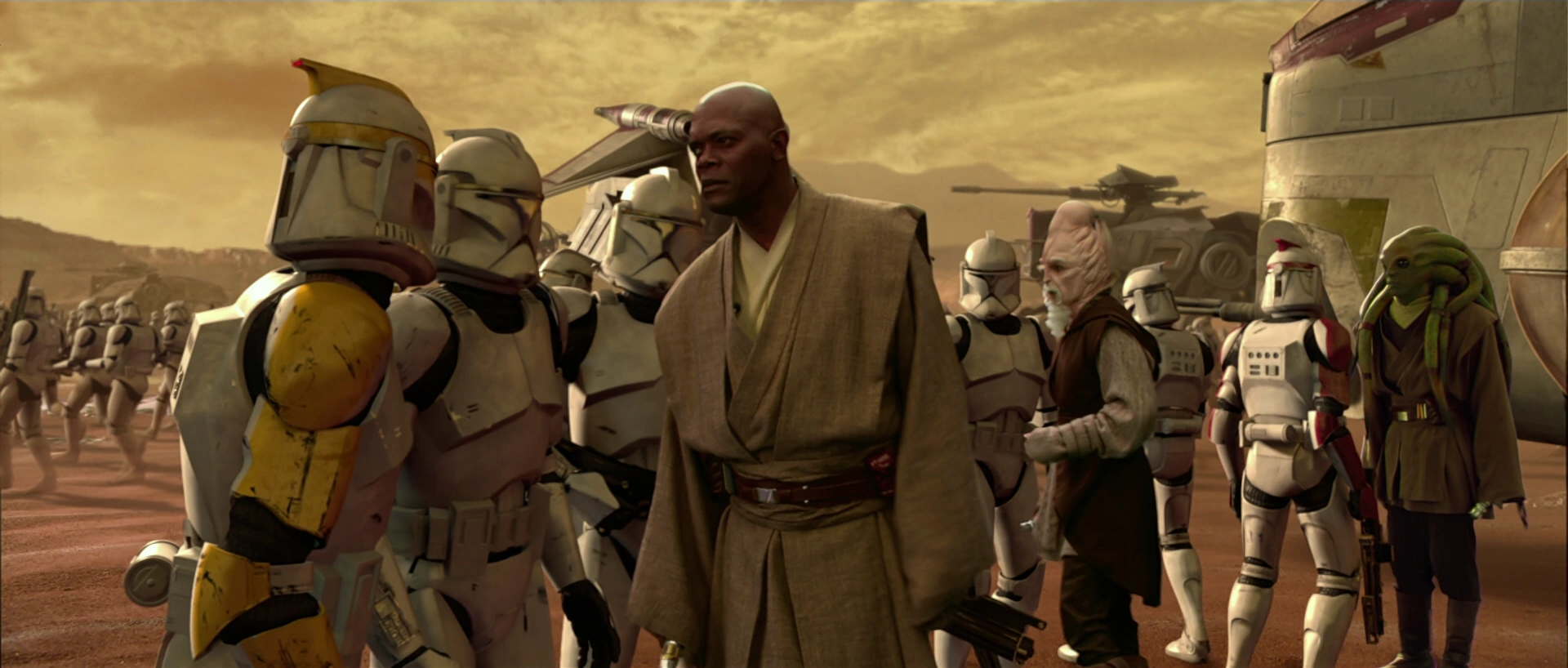
The clones did not consent to being created for war. They did not consent to accelerated aging. They did not consent to being raised as property of a military system. They did not consent to have their obedience engineered, trained, and reinforced as the basis of their social existence. Even before the inhibitor chips enter the analysis, this moral field is already deeply contaminated.
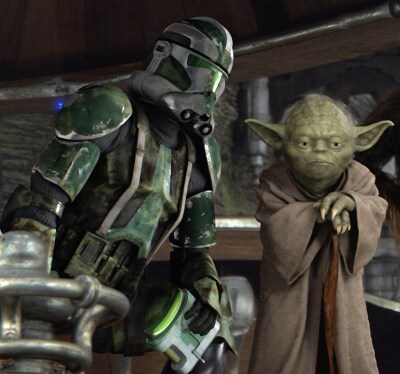
The inhibitor chips make the horror explicit. The clones are not only politically unfree. Their bodies contain a hidden override. The final betrayal is built into them as infrastructure.
That is all exactly the kind of thing the Jedi exist to detect.
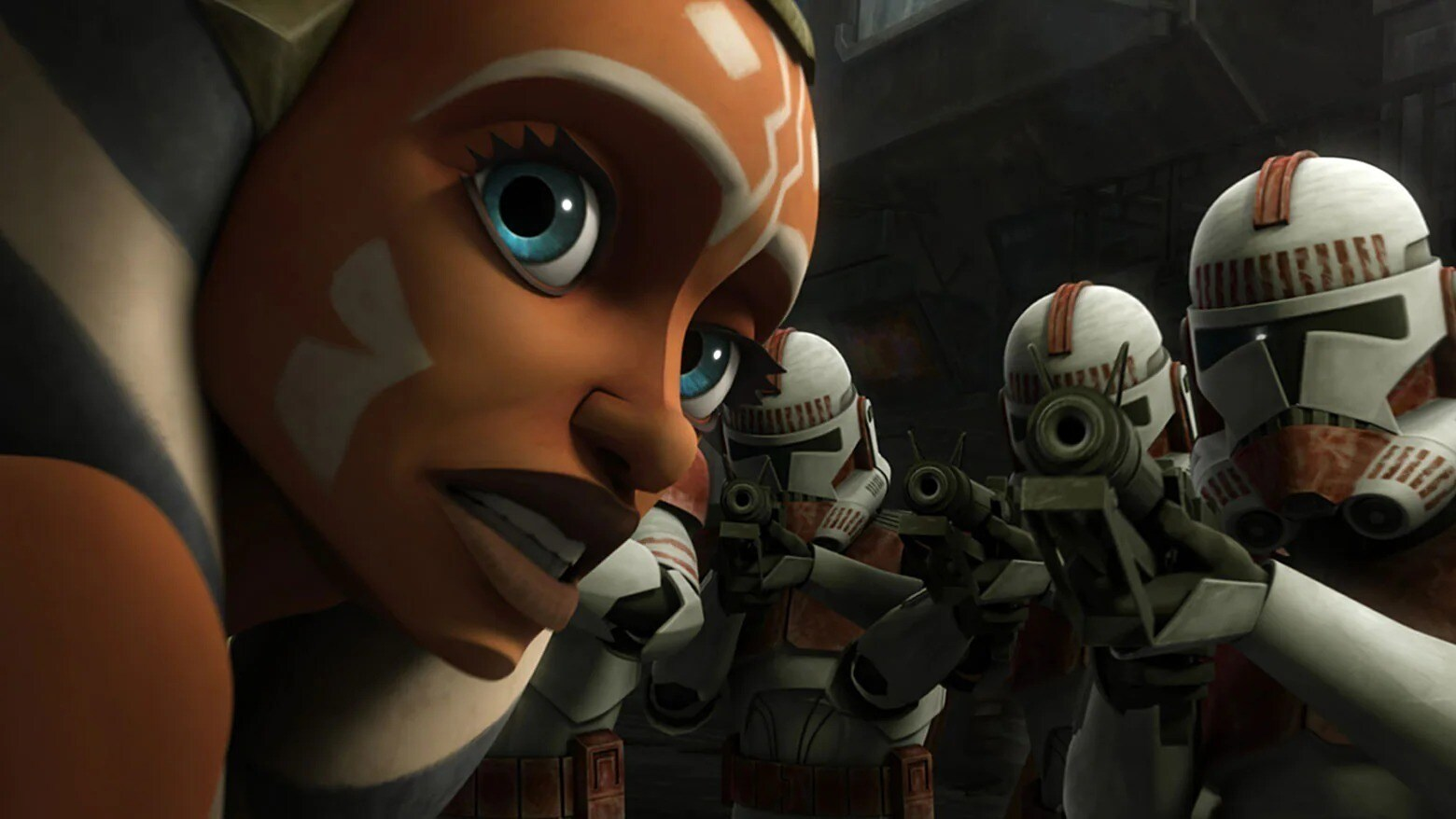
And there were cracks. There were malfunctions, anomalies, warnings, and acts of resistance. Some clones resisted the order or escaped its full implications. Fives came close to exposing the hidden mechanism. Rex had enough individuality, trust, and external help to fight through what had been done to him. Other clones, in different ways, reveal the same truth: the army was never a simple mass of identical instruments. It was a captive population full of persons whose agency kept trying to surface through the machinery built around them.
If the Jedi had taken up the clones’ cause earlier, they might have found the kill switch in time.
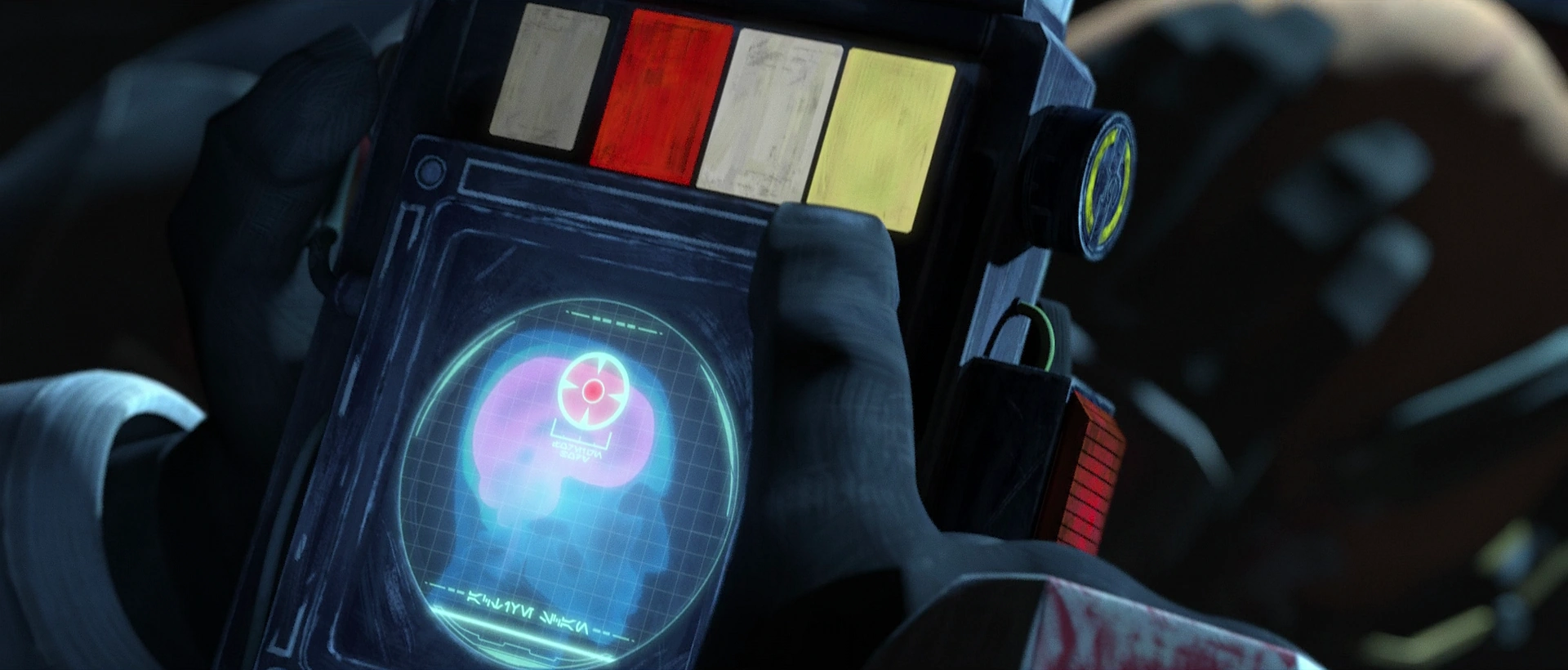
Palpatine’s design was deep. The Kaminoans were complicit or compartmentalized. The Senate was compromised by fear. The war made delay easy. But the path existed. The clones’ personhood was not hidden. Their domination was not subtle. The Jedi did not need omniscience to begin pulling this thread.
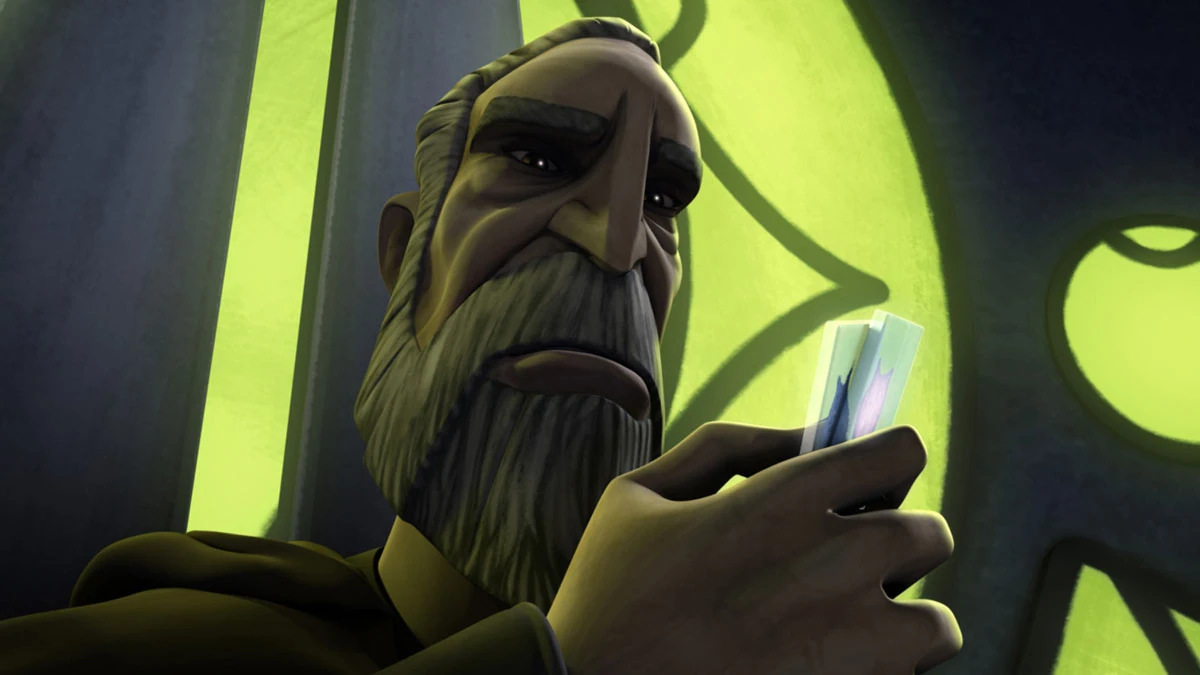
They needed to recognize the slave army as a moral emergency, not a solution.
The Jedi Become Necessary.
The most dangerous temptation offered to the Jedi was not luxury, rage, or obvious tyranny.
It was usefulness.
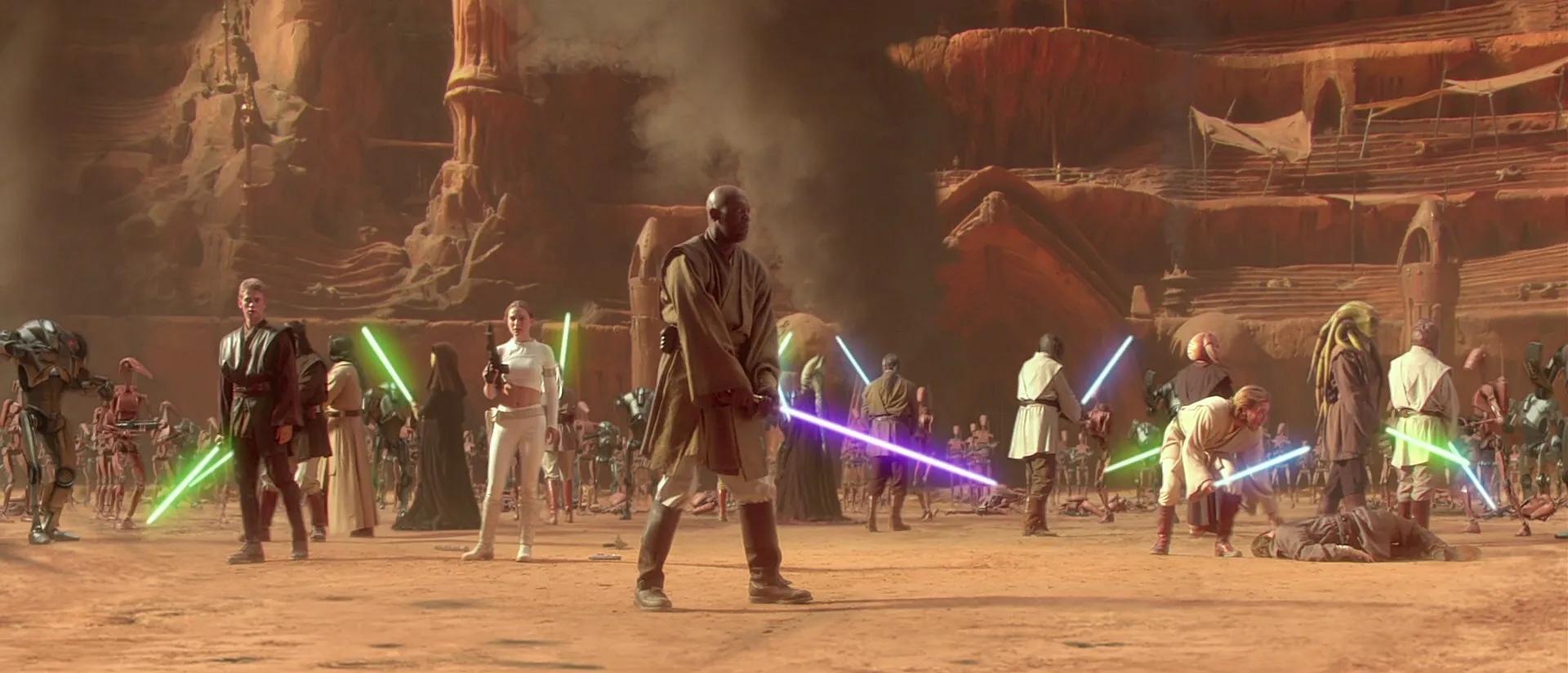
Before the war, the Jedi are already in a compromised position. They are formally tied to a decaying Republic. They are respected, but increasingly mistrusted. They are guardians of peace in a political order losing its capacity for peace. They serve the Senate while sensing that something is wrong inside the very system they serve.
Then the Clone Wars begin, and the Jedi are suddenly indispensable.
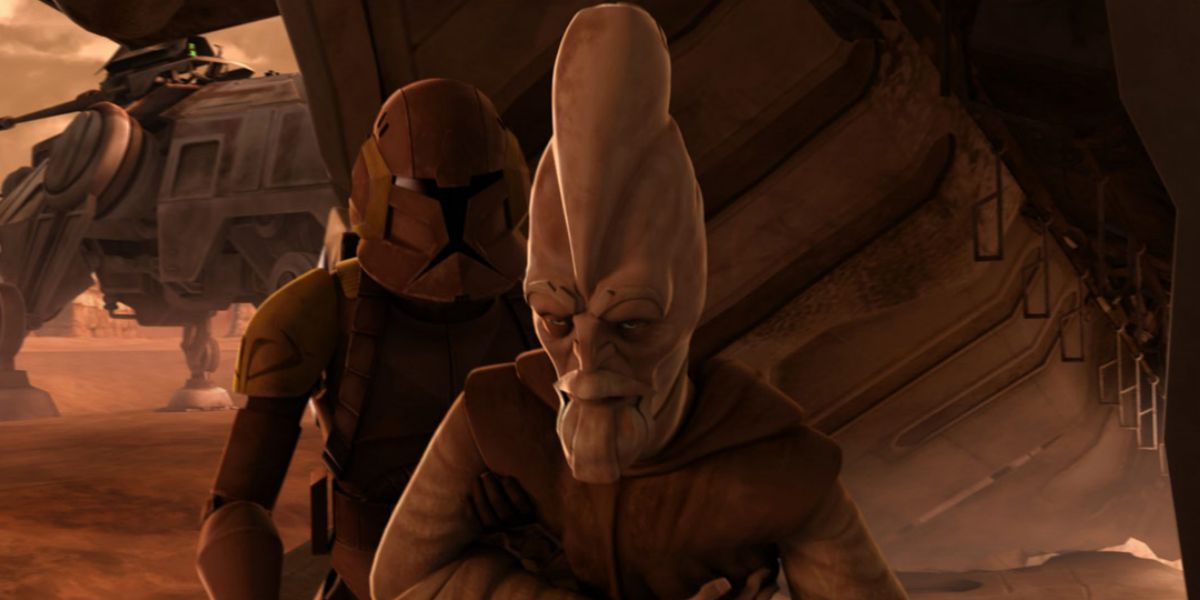
They are generals. They are strategic commanders. They are the Republic’s elite moral-military class. They stand at the center of events. Their abilities matter everywhere. Their deaths are heroic. Their victories are celebrated. Their presence reassures civilians, soldiers, senators, and each other that the Republic has not yet become something monstrous.
This is Palpatine’s most elegant trap. He does not lure the Jedi by asking them to abandon their ideals. He gives those ideals a prestigious institutional role.
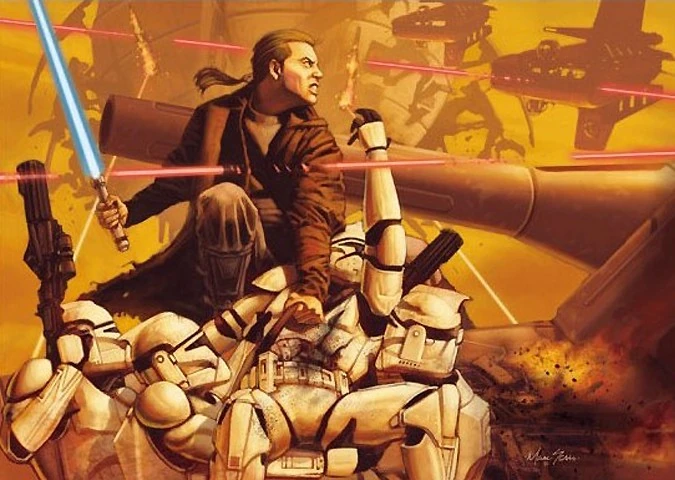
The Jedi accept the return of centrality as evidence of moral necessity.
That is the failure.
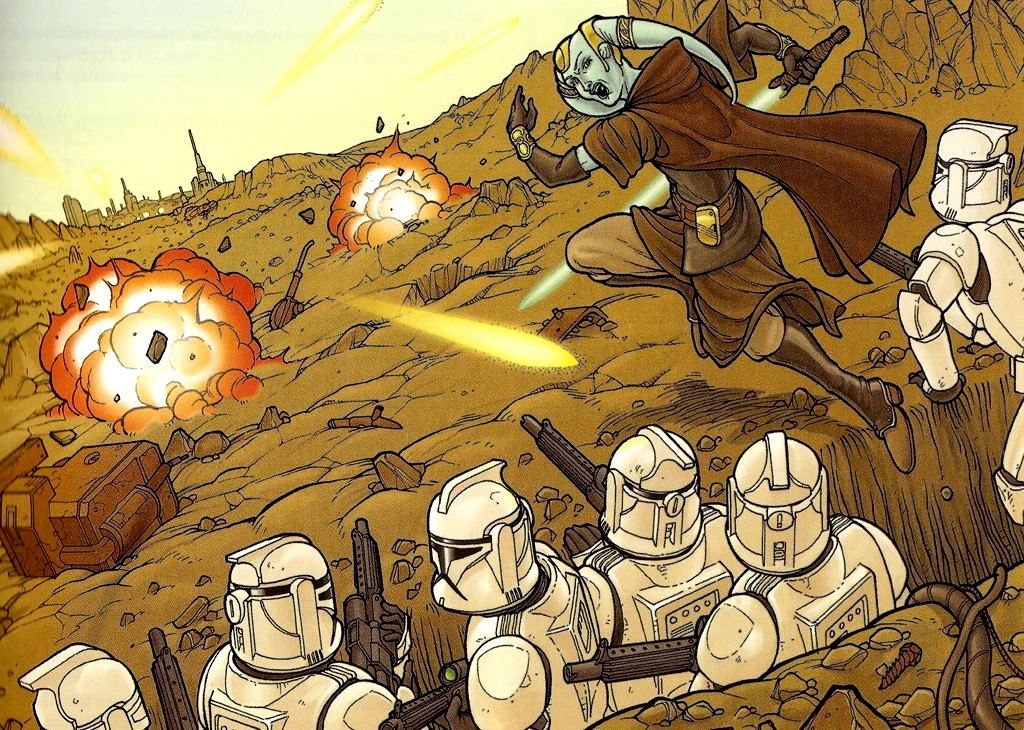
The galaxy did not need the Jedi to be generals.
It needed them to be Jedi.
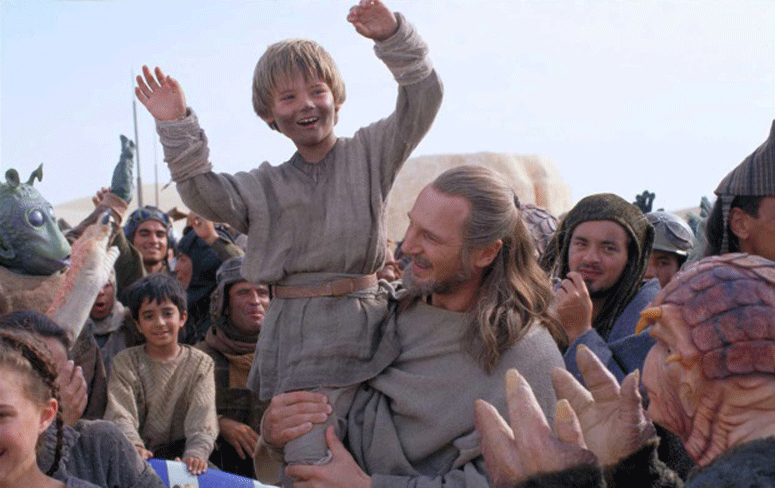
It needed them to stand outside the machinery of war long enough to ask whether the machinery itself was the Sith weapon. It needed them to defend civilians without becoming administrators of a slave army. It needed them to protect the Republic’s future from the Republic’s panic. It needed them to say that some instruments of survival are already forms of defeat.
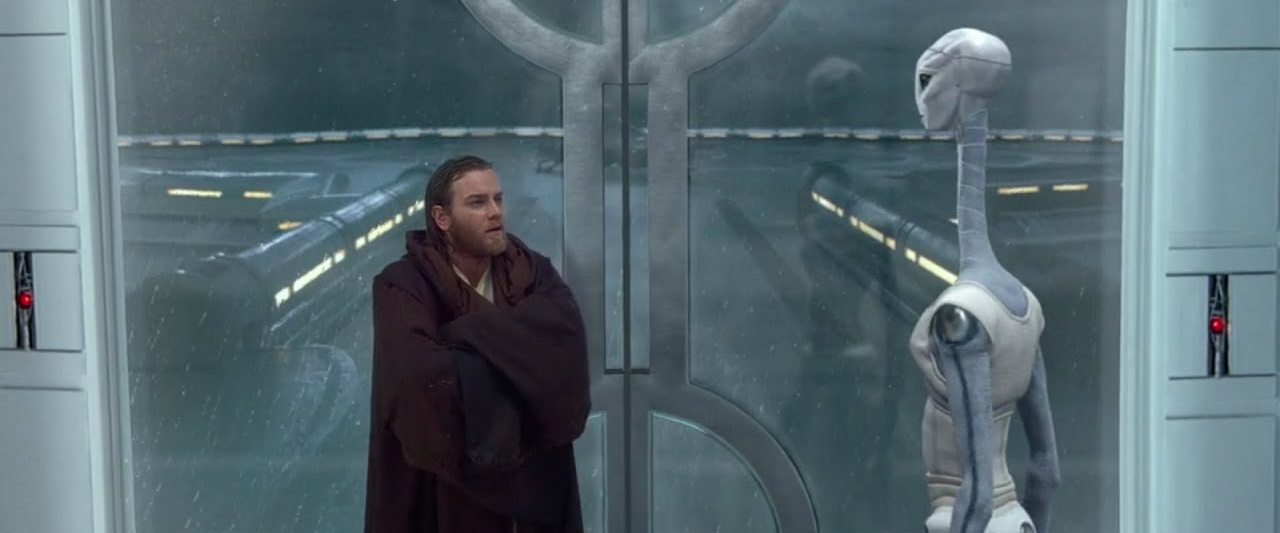
Instead, the Jedi become legible to the war system. They take rank. They enter command. They issue orders. They coordinate campaigns. They become responsible for winning battles inside a war whose deeper function is to destroy the conditions under which Jedi can exist.

Palpatine does not need the Jedi to endorse the Empire. He has other people for that. He needs them to help build the habits that make the Empire feel normal.
False Repair.
The clone army looks like a repair path because it opens immediate paths.
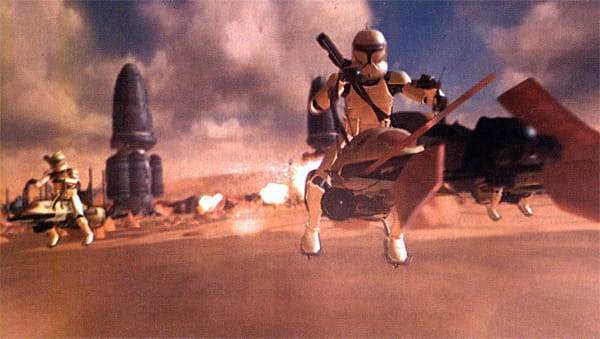
The Republic can survive the Separatist crisis. Civilian worlds can be defended. Dooku can be resisted. The Jedi trapped on Geonosis can be rescued. The Senate can avoid immediate collapse. The galaxy can avoid the appearance of helplessness.
A false repair path is not always fake because it does nothing. Often it works locally. It reduces immediate pressure. It solves the visible emergency. It gives responsible actors something to do when refusal looks like abandonment.
The clone army does all of that.
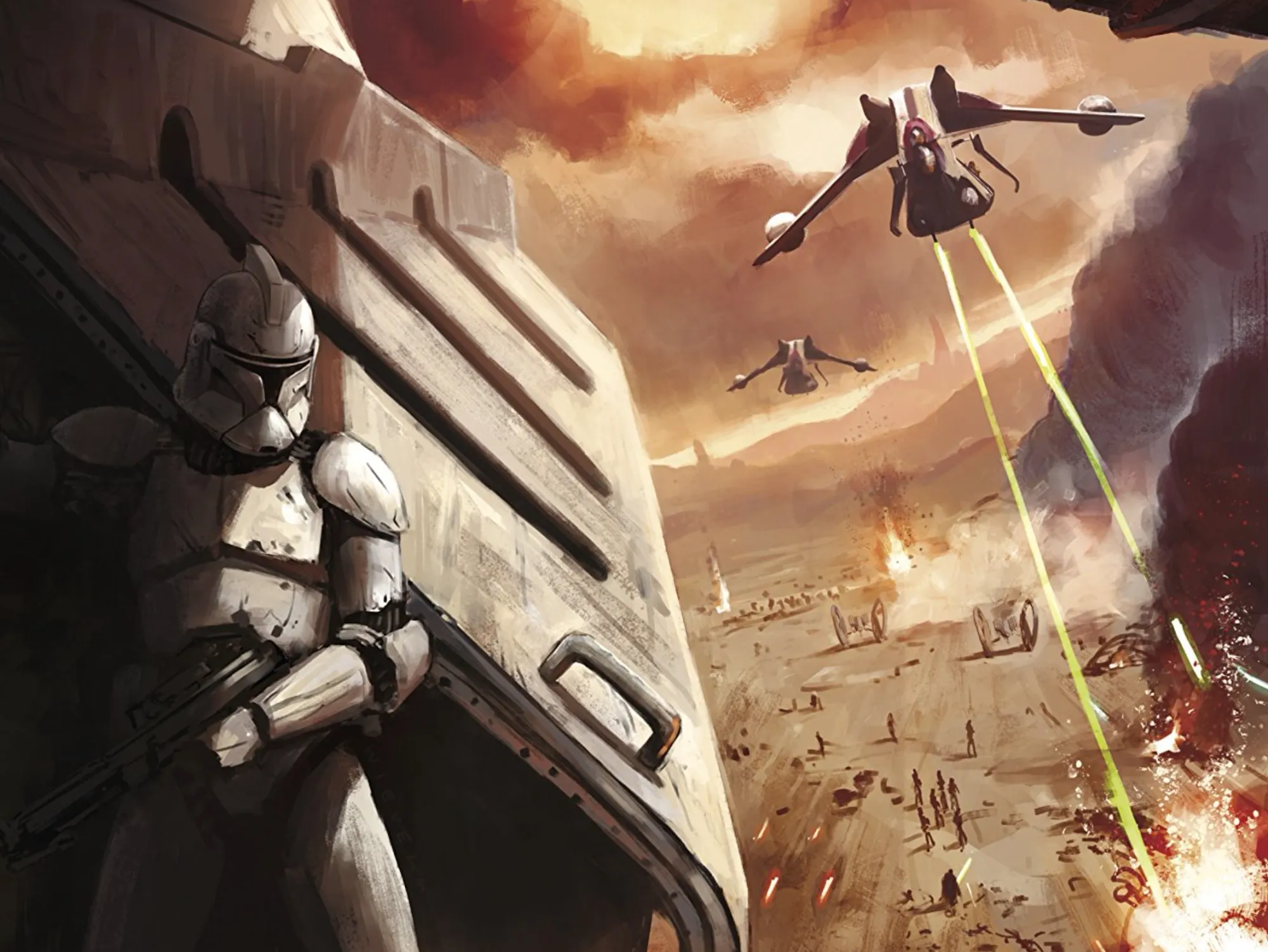
But it also closes much deeper paths.
- It closes the path where the Republic must confront its own institutional decay without militarized escape.
- It closes the path where the Jedi remain independent moral actors rather than military officers.
- It closes the path where the clones are recognized first as persons and only second as combatants.
- It closes the path where the Senate must publicly investigate the army’s origin before depending on it.
- It closes the path where Palpatine’s emergency powers remain temporary and suspect.
- It closes the path where the public understands the war as a field of manipulation rather than a simple contest between order and rebellion.
The clone army does not save the Republic from becoming the Empire. It teaches the Republic how to become the Empire.
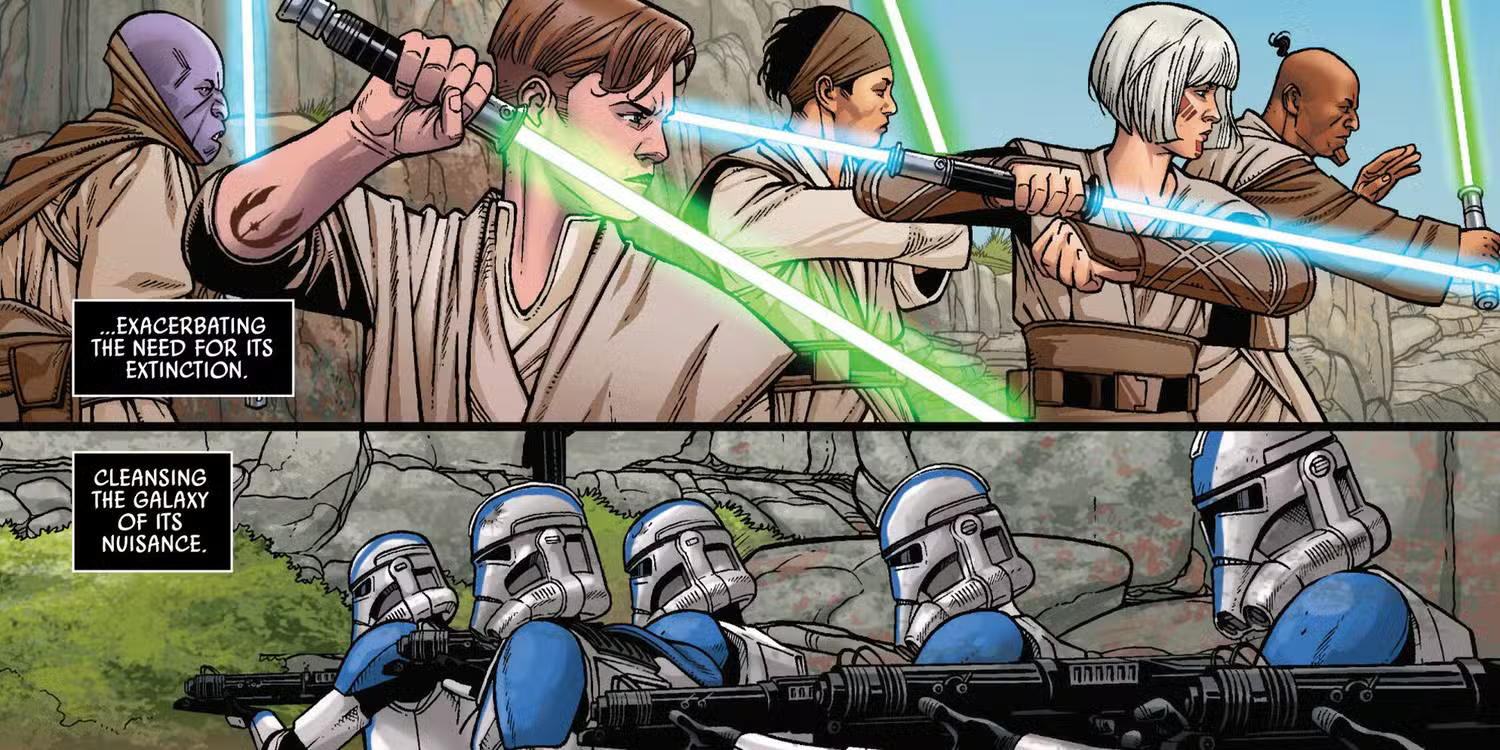
White armor becomes the visual language of order. Centralized command becomes normal. Extraordinary authority becomes practical. Jedi leadership becomes military leadership. The war trains the galaxy to accept exactly the structure Palpatine intends to keep.
By the time the name changes, much of the political education has already happened.
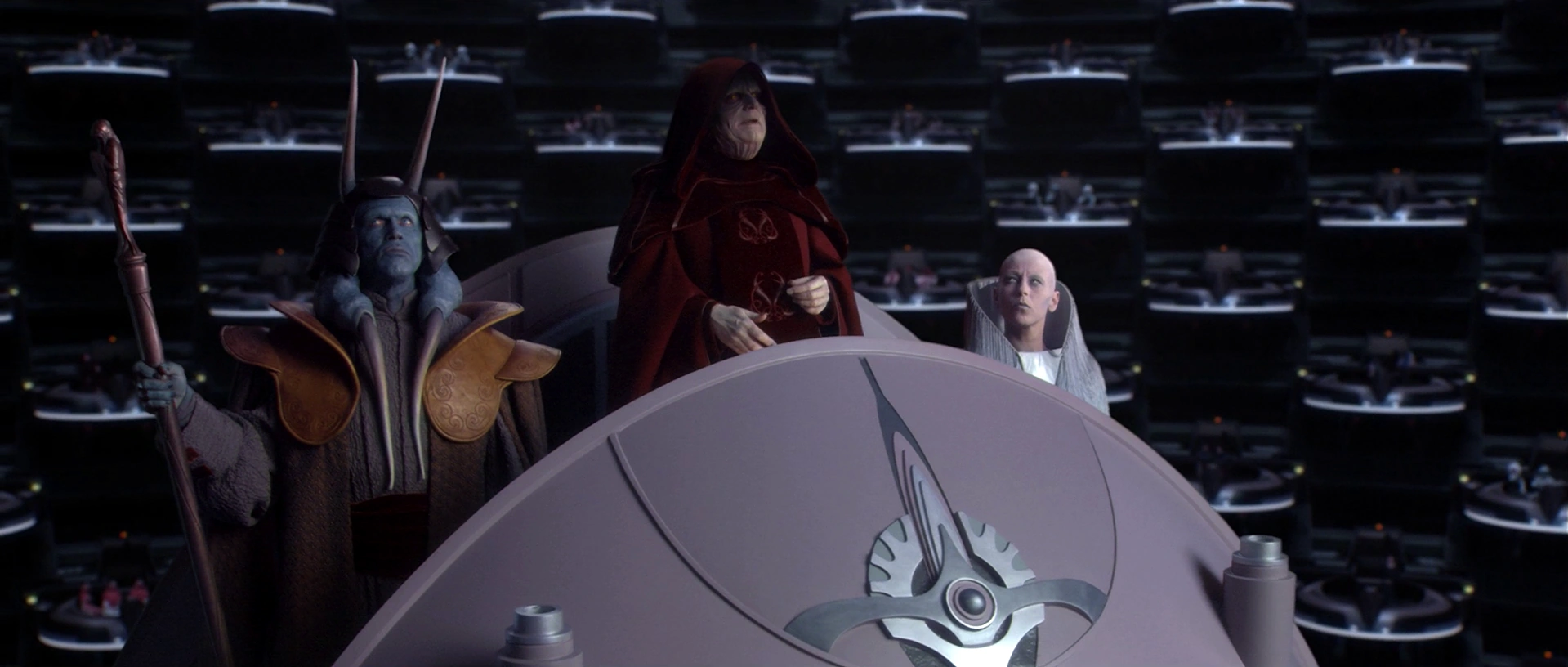
The Empire just arrives as a clarification.
Palpatine’s Victory.
Palpatine’s genius is not that he hides all the evidence. That is the childish version.
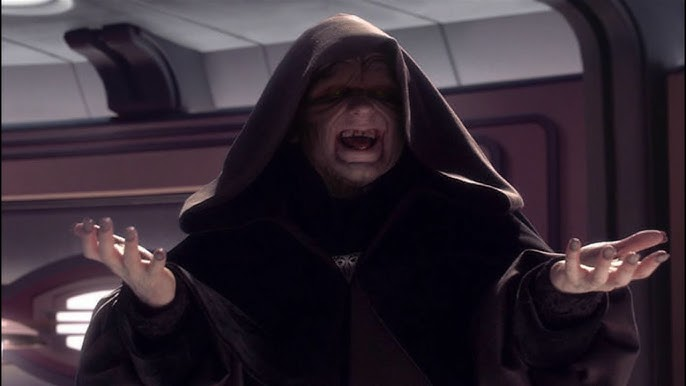
The deeper version is worse. Palpatine builds a field where evidence becomes difficult to act on.

Even if the Jedi suspect the army, what exactly are they supposed to do at Geonosis?
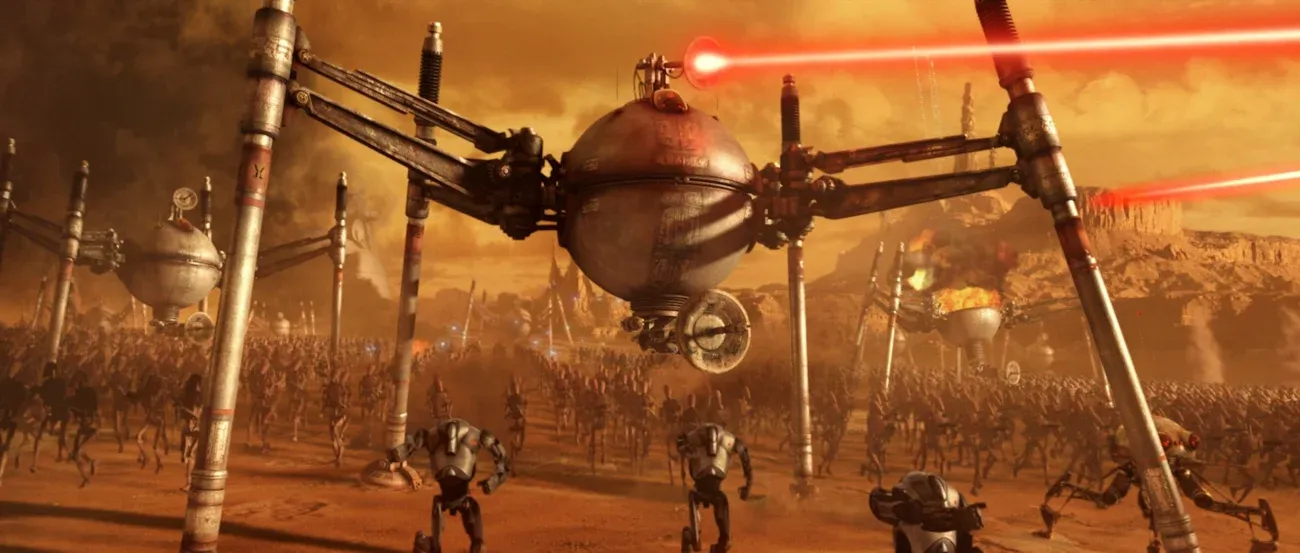
- Refuse rescue and allow mass death?
- Reject the only available force while the Separatists mobilize?
- Publicly accuse the Senate’s emergency response of Sith manipulation without proof strong enough to survive politics?
- Abandon the Republic and appear to confirm every accusation that the Jedi are aloof, disloyal, or self-protective?
Later, the trap tightens further.

If they refuse command, they now abandon soldiers and civilians already in the field. If they remain in command, they deepen their dependence. If they challenge Palpatine too early, they look like traitors. If they wait, he becomes stronger. If they expose uncertainty, they risk panic. If they conceal uncertainty, they preserve the field that is killing them.
This is how a strategic field swallows moral actors.

It does not present them with one obviously evil choice. It surrounds them with locally defensible choices that compose into catastrophe.
- Rescue the captives.
- Defend the Republic.
- Protect civilians.
- Support the troops.
- Win the battle.
- Maintain legitimacy.
- Avoid panic.
- Trust the process.
Each step can be defended. The path leads to ruin.
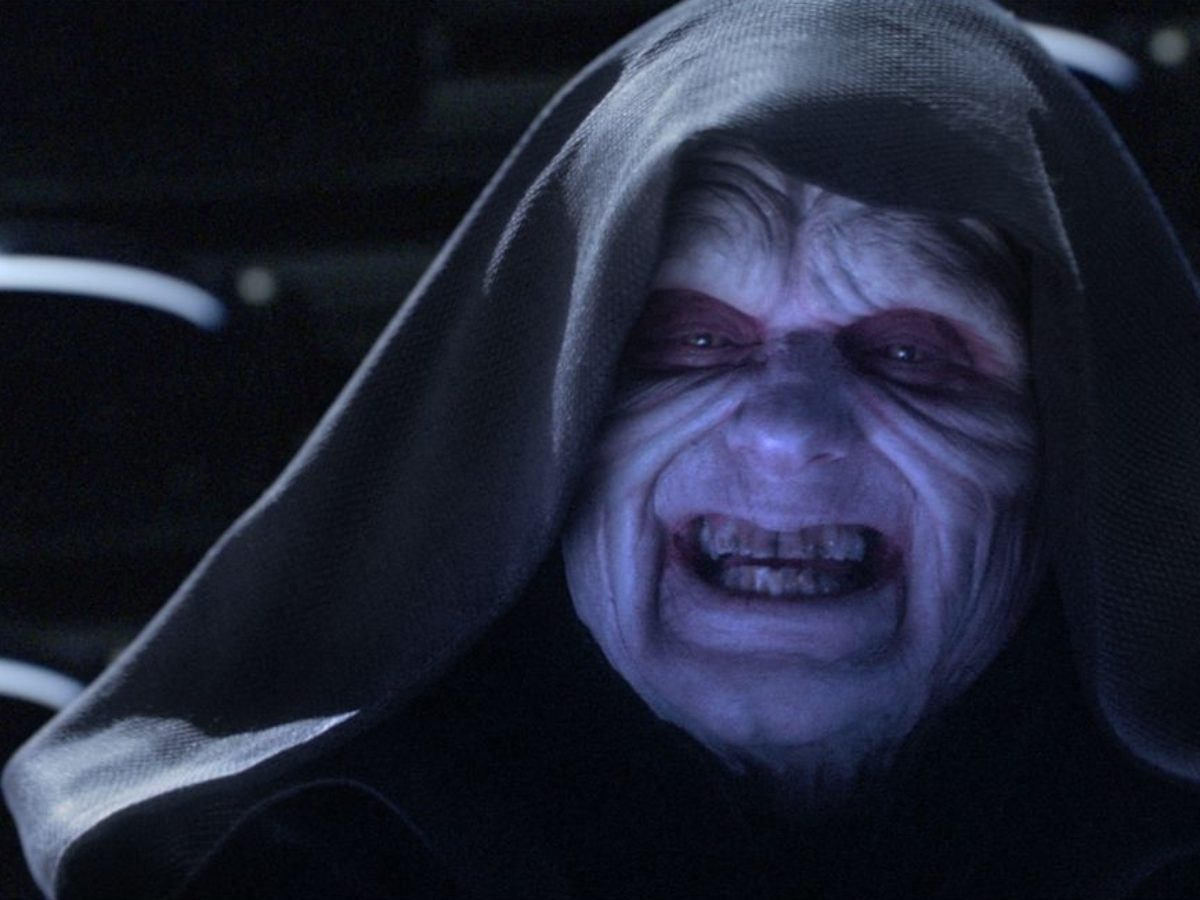
The Jedi keep responding to crises inside the frame. Palpatine owns the entire frame.
Anakin.
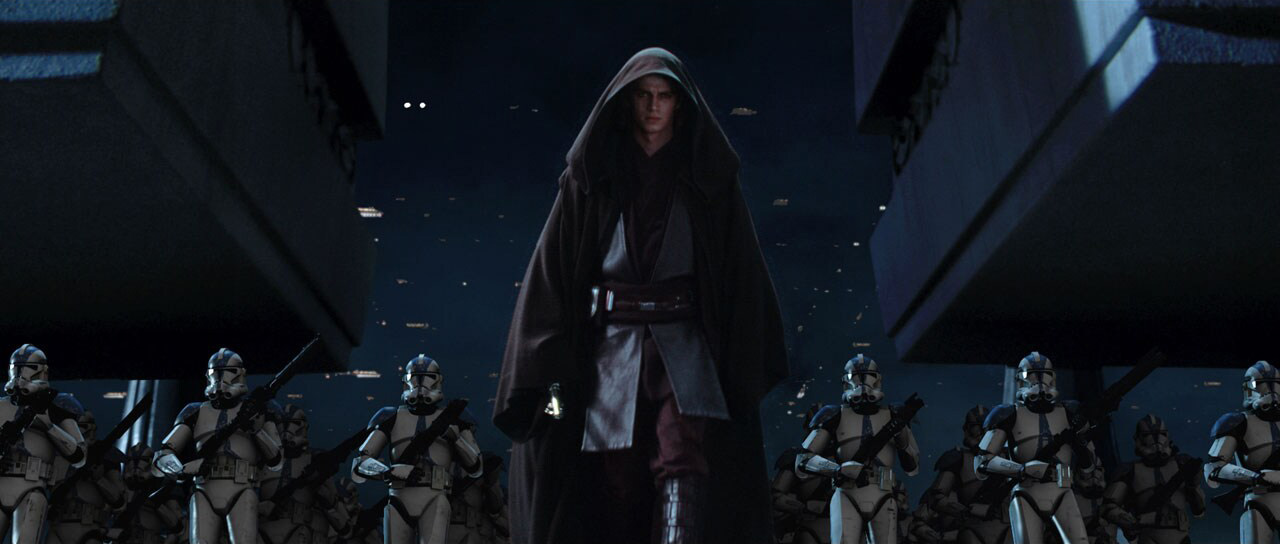
Anakin is not the main cause of the Jedi’s fall. He is the intimate version of the same exact failure.
The Jedi detect danger in him. They are not wrong about that.
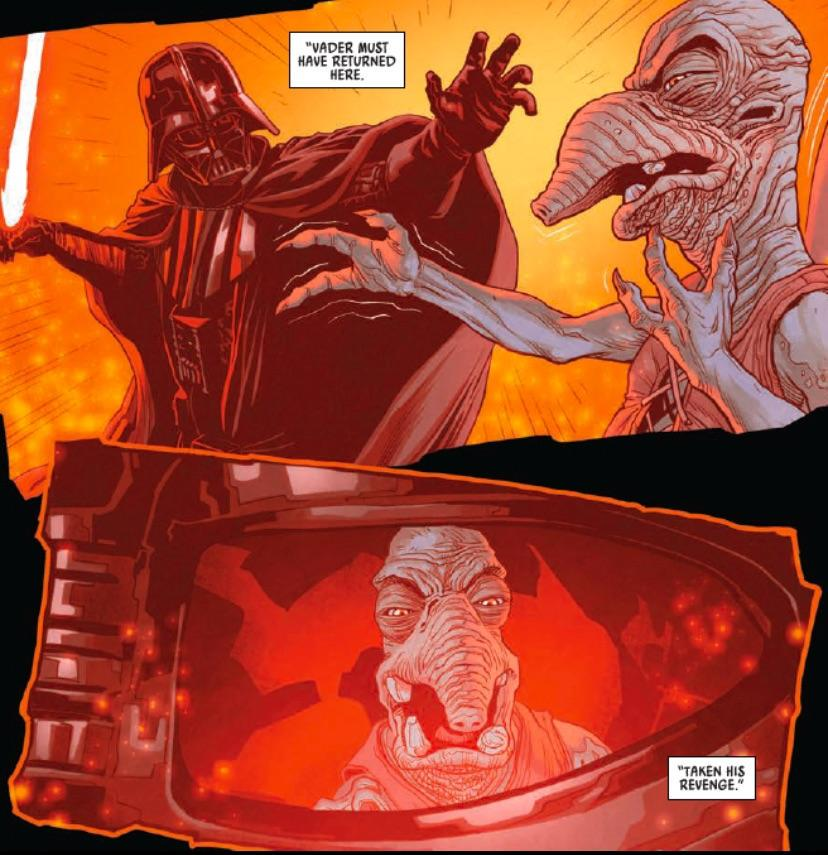
He is afraid. He is angry. He is attached in ways he cannot integrate. He is vulnerable to domination because he cannot tolerate loss. The Council senses the instability, but their response is mostly disciplinary and symbolic.
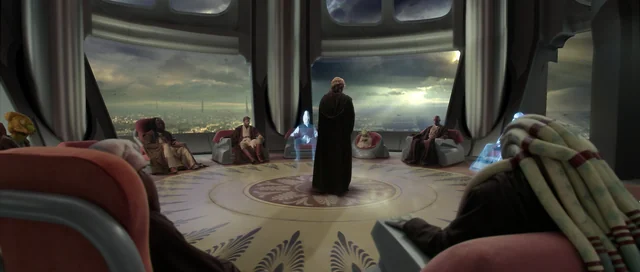
They tell him what not to feel. They warn him against attachment. They withhold trust. They treat his fear as a sign of danger without building a truthful path through fear.
That is not a repair path.
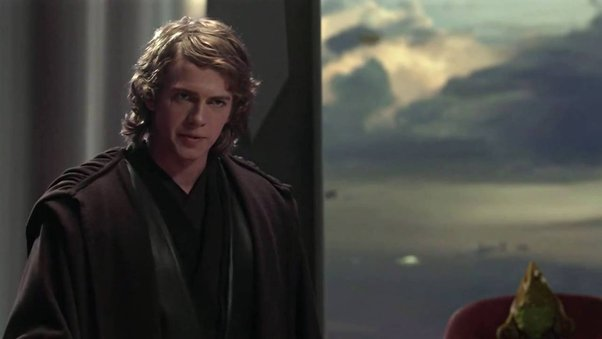
Anakin needs a field where confession is possible before betrayal becomes attractive. He needs a way to love without secrecy, grieve without shame, and face death without converting terror into control. He needs mentors capable of distinguishing attachment from domination, dependency from care, fear from destiny.
The Jedi do not or can not provide that path.
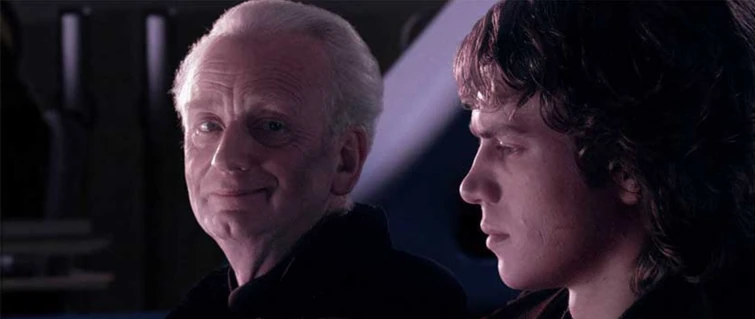
But Palpatine does.
It is a false path. Palpatine offers Anakin a way to save Padmé, end the war, punish hypocrisy, master death, and become too powerful to lose what he loves. Every part of the offer is poisoned, but it is still an offer. It gives Anakin somewhere for his fear to go.
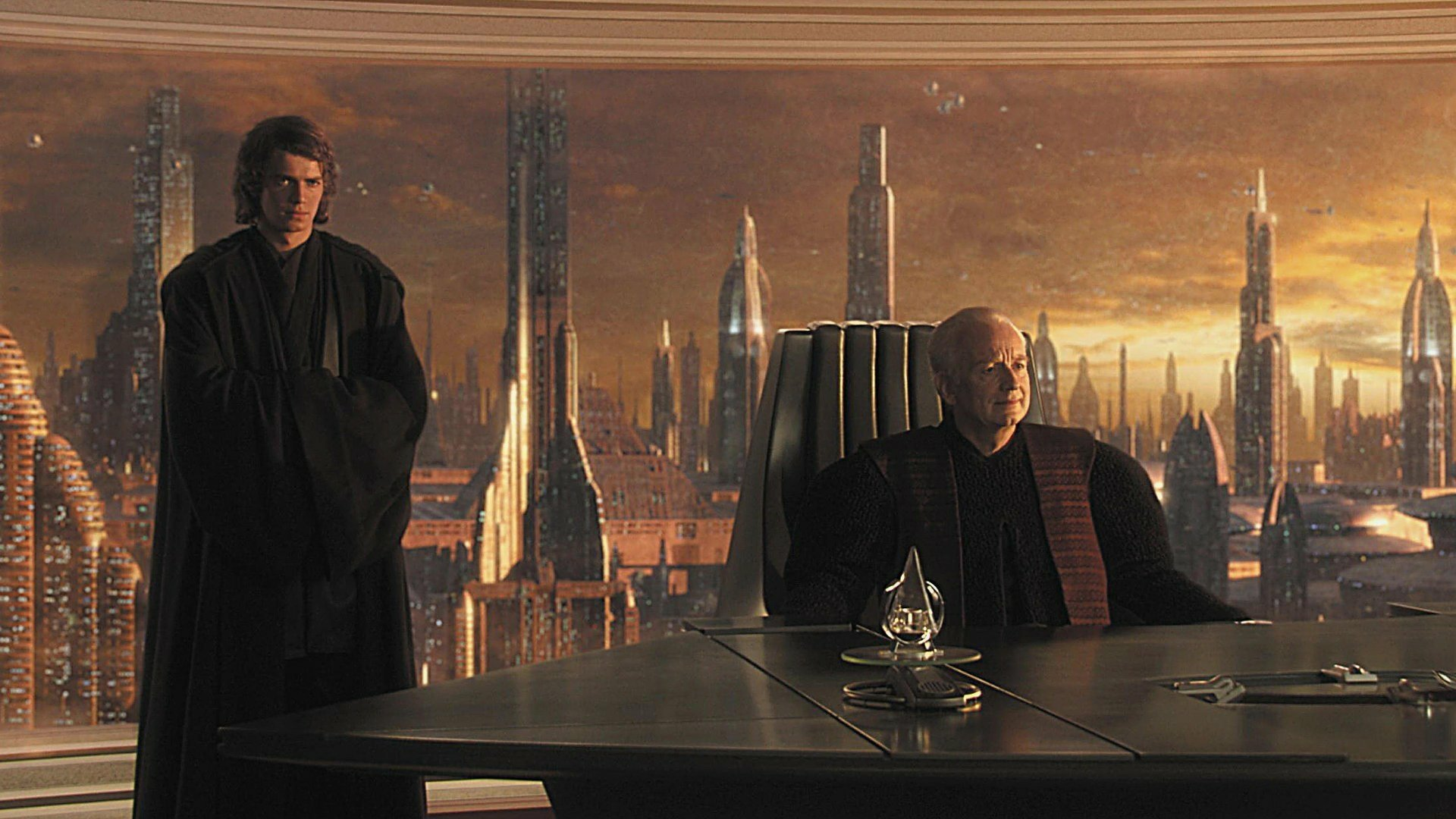
The Jedi mostly just tell him where his fear must not go.
That is the miniature replica of the clone army failure. In both cases, the Jedi sense danger without repairing the reachable paths around it. They identify instability, then fail to create a better alternative before Palpatine supplies the worse one that kills them.
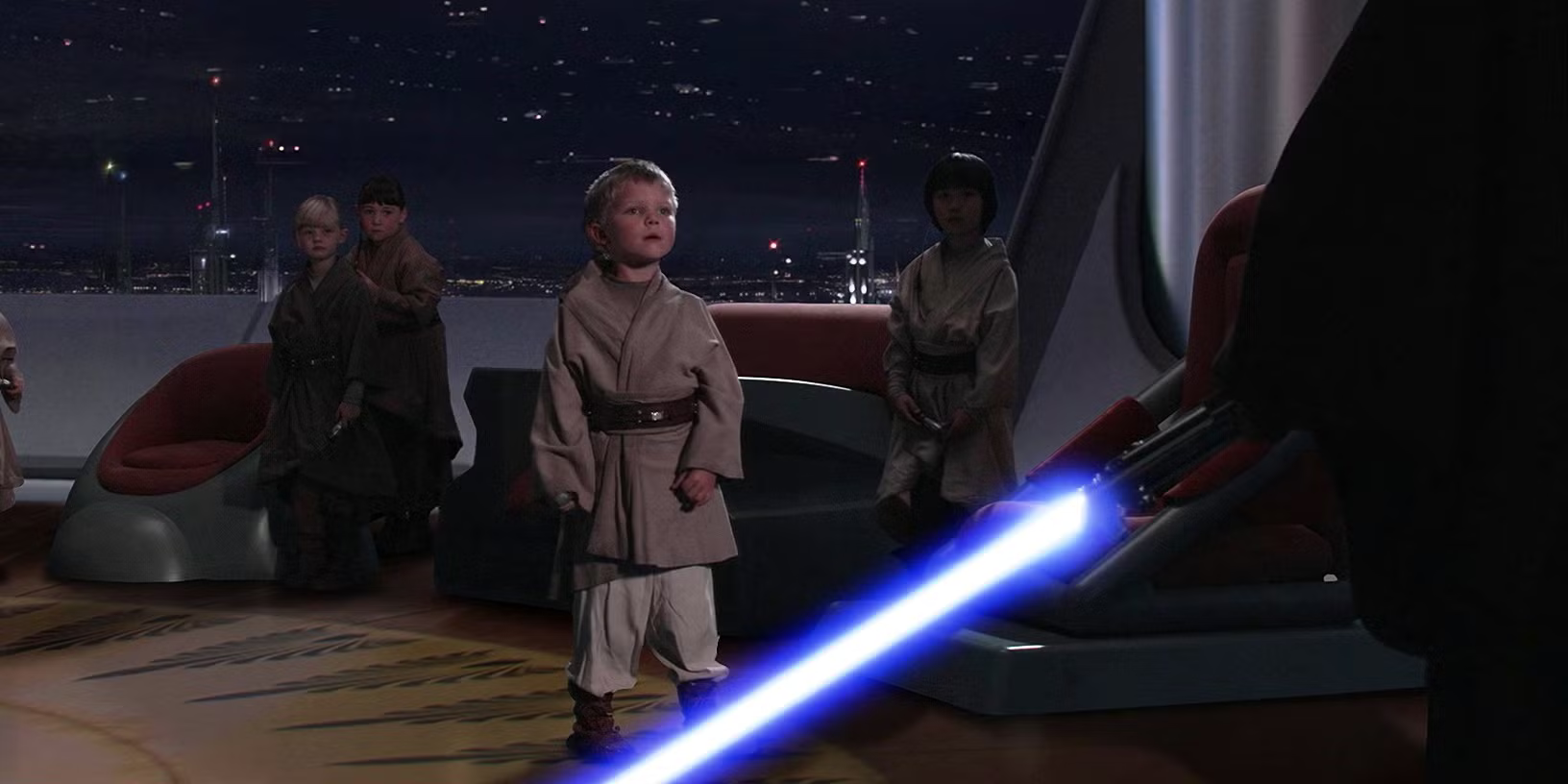
Anakin’s fall is personally catastrophic. The clone army failure is institutionally catastrophic. One destroys a life and helps destroy an order. The other captures the galaxy’s political future.
They are the same pattern at different scales.
The Empire.
The Empire is not “order.” It is path contraction administered as order.
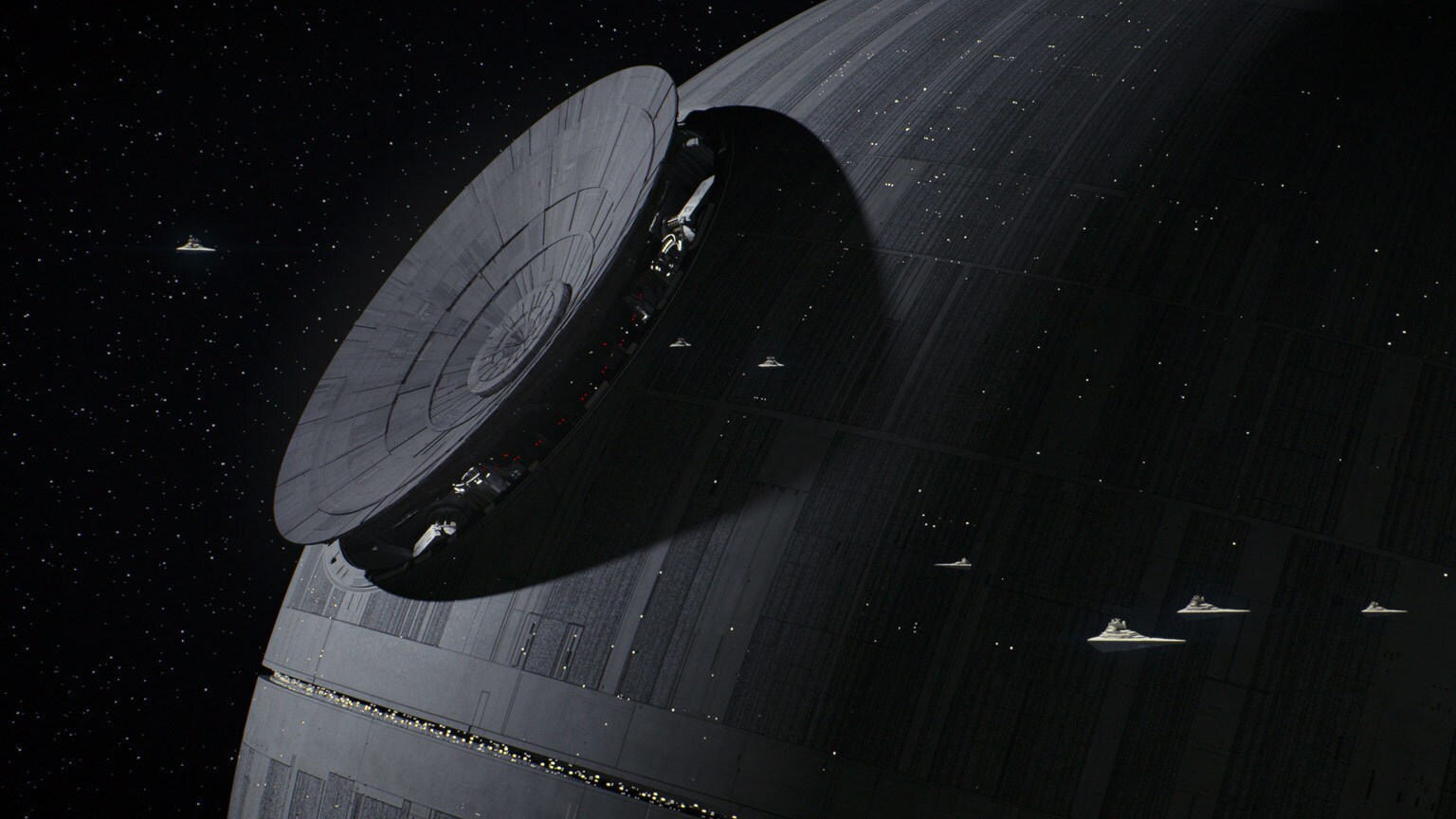
The Republic is corrupt, slow, compromised, and often cowardly. This thing fails constantly.
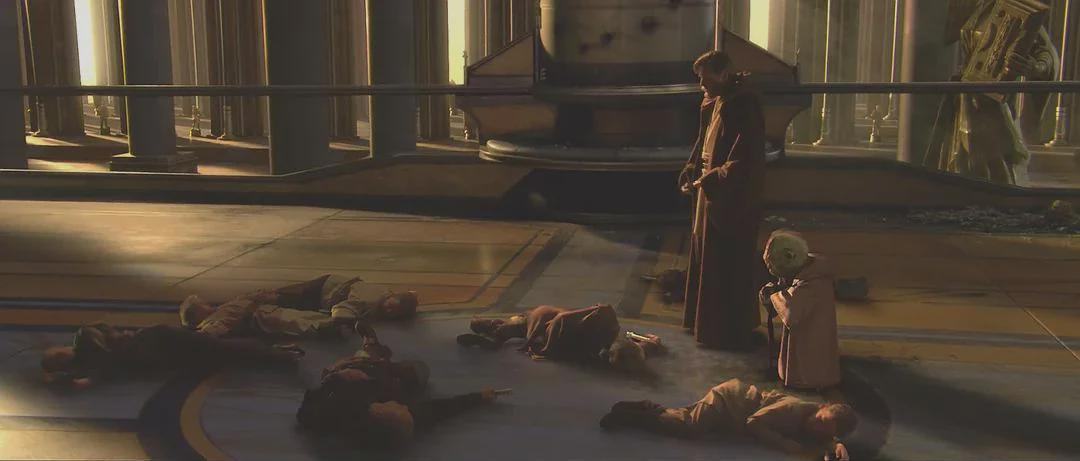
But it still contains plural centers of agency: worlds, senators, courts, local movements, independent orders, dissenting factions, and public contestation. Those structures are not enough to save it. But their existence still matters because repair requires reachable alternatives. The point is to increase the playable space and open new, better paths.
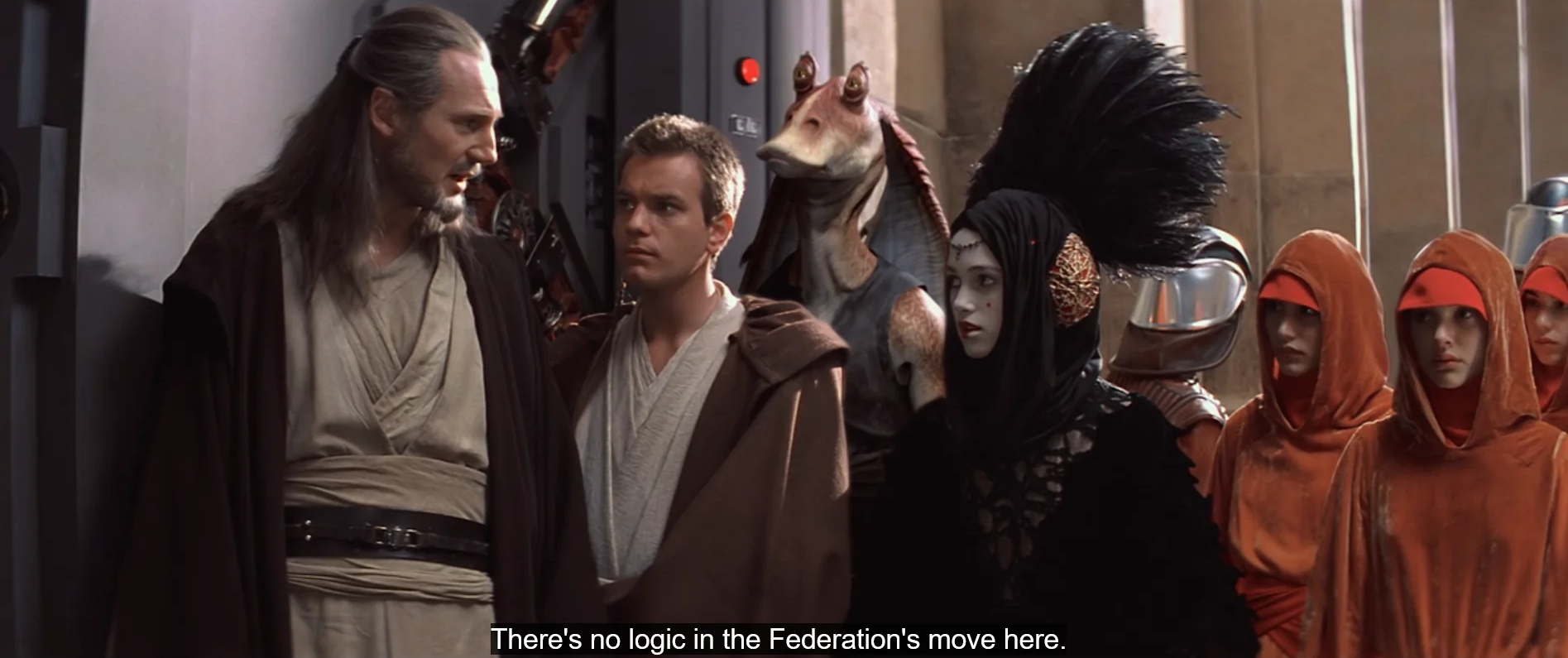
The Empire solves corruption by eliminating the political field in which corruption can be challenged. It solves disagreement by criminalizing dissent. It solves uncertainty by centralizing command. It solves local autonomy by replacing it with fear. It solves the Jedi by exterminating them. It solves Senate weakness first by dominating the Senate and later by discarding it. It solves rebellion with planetary terror.
This is not repair. It is field simplification through violence. The Empire wants to flatten the galaxy into a scalar with defeat on one end and victory on the other, then just min/max into infinity, forever.
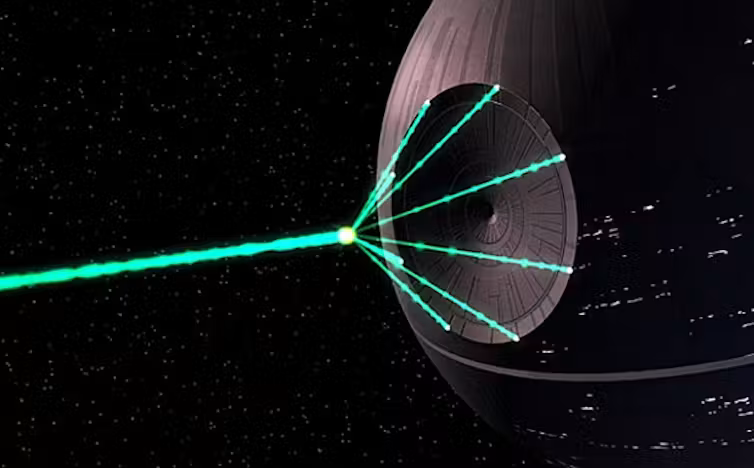
The Death Star is the final symbol of that logic. This is not governance.

This thing is not justice. It is not even military victory in the ordinary sense. This is the conversion of politics into hostage-taking. A planet no longer needs to be persuaded, administered, negotiated with, or understood. It can just be a victory or erased.
That is the Imperial ideal:
A galaxy with fewer paths.
The clone army is an earlier and subtler version of the same structure. It converts persons into commandable force. It makes agency look inefficient. It makes obedience look like peace. It makes moral hesitation look irresponsible.
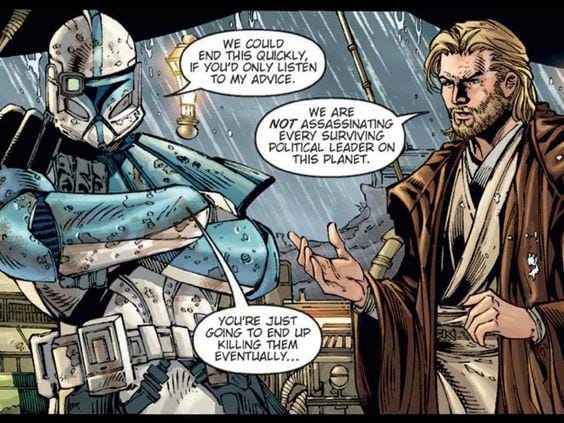
The Empire begins wherever living agency is treated as raw material for order.
The Jedi should have known that.
Better.
The better path was not simple pacifism.
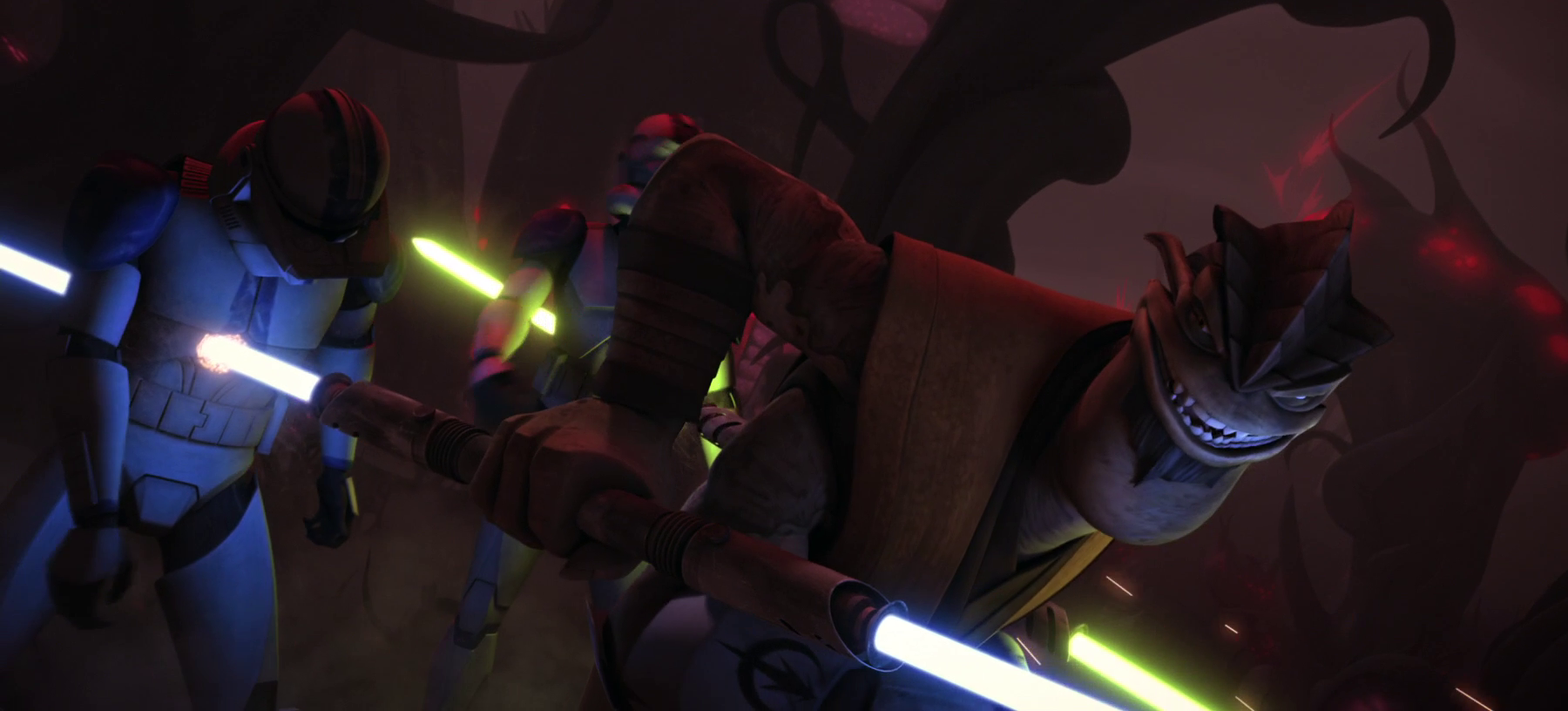
It is too easy to say the Jedi should have refused the clone army instantly and allowed every immediate disaster to unfold. That answer protects moral purity at the expense of field responsibility. The Jedi were facing real violence, real Separatist aggression, real civilian danger, and real uncertainty. They did not have a clean option.
But having no clean option is not the same as having no better path.
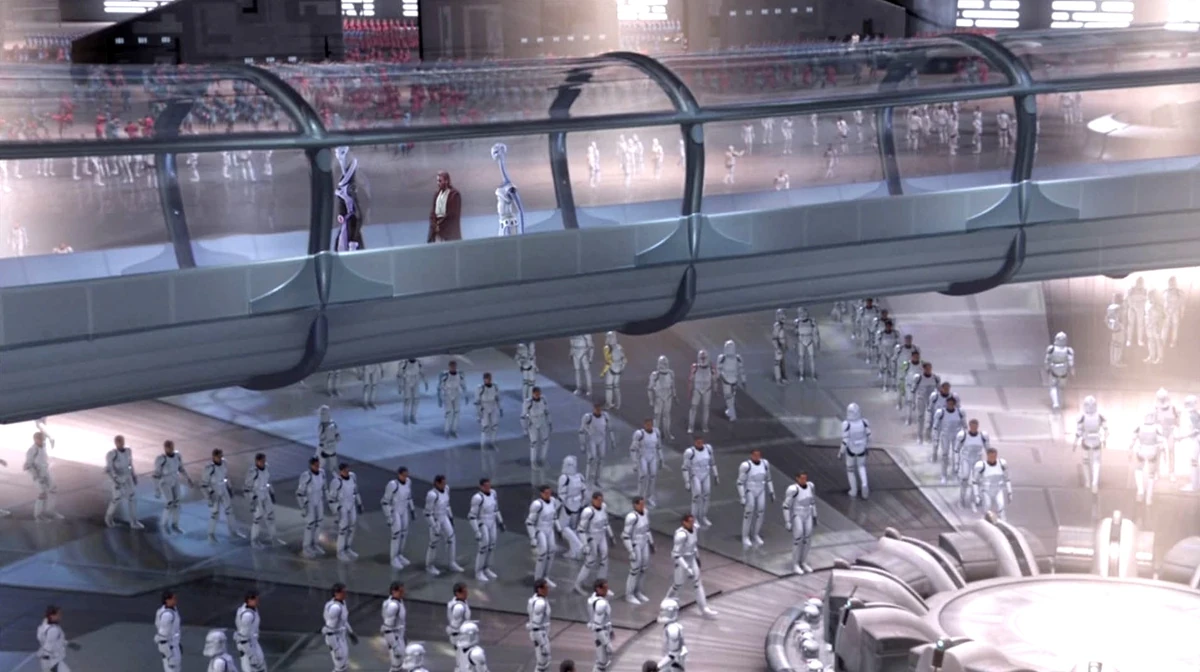
At Geonosis, temporary battlefield action may have been unavoidable. Permanent normalization was not.
The Jedi could and should have treated the clone army as an emergency contamination from the first moment it appeared. They could have insisted that the army’s use did not settle this thing's legitimacy. They could have refused to let rescue harden into military structure without public moral audit.
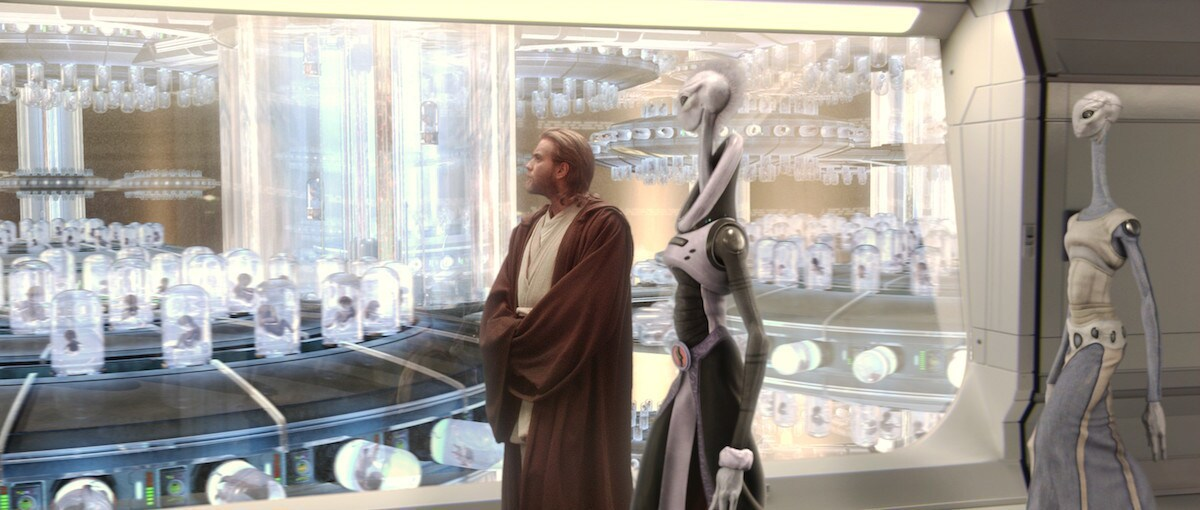
Better would have required a public inquiry into Kamino, Sifo-Dyas, Tyranus, funding, authorization, command authority, and the legal status of the clones. It would have required the Jedi to say clearly that the Republic could not defend freedom through an enslaved population while pretending nothing had changed here. It would have required clone personhood, rights, representation, medical autonomy, and eventual demobilization to become central war aims rather than sentimental side concerns.
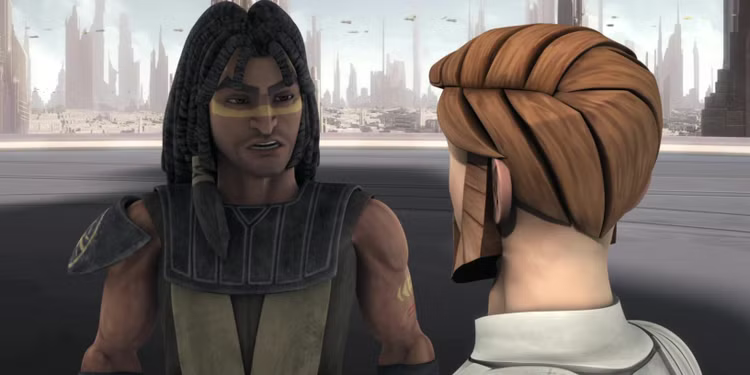
The Jedi also needed institutional separation from the Republic’s military hierarchy. The Jedi could advise. They could mediate. They could conduct rescue missions. They could investigate Sith influence. They could protect civilians. These are all Jedi activities.
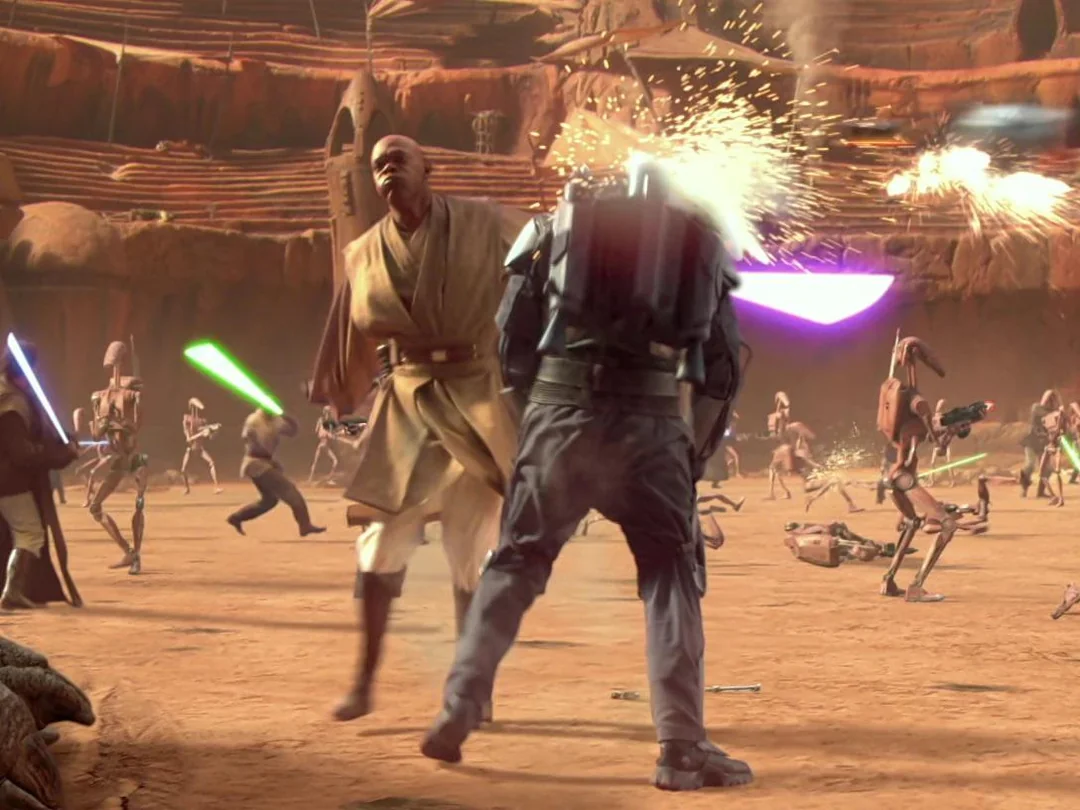
But becoming generals placed them inside the command structure of the trap. It made them responsible for the war’s operation while Palpatine remained responsible for the war’s meaning.
Most of all, the Jedi had to be willing to lose their status. They were not.
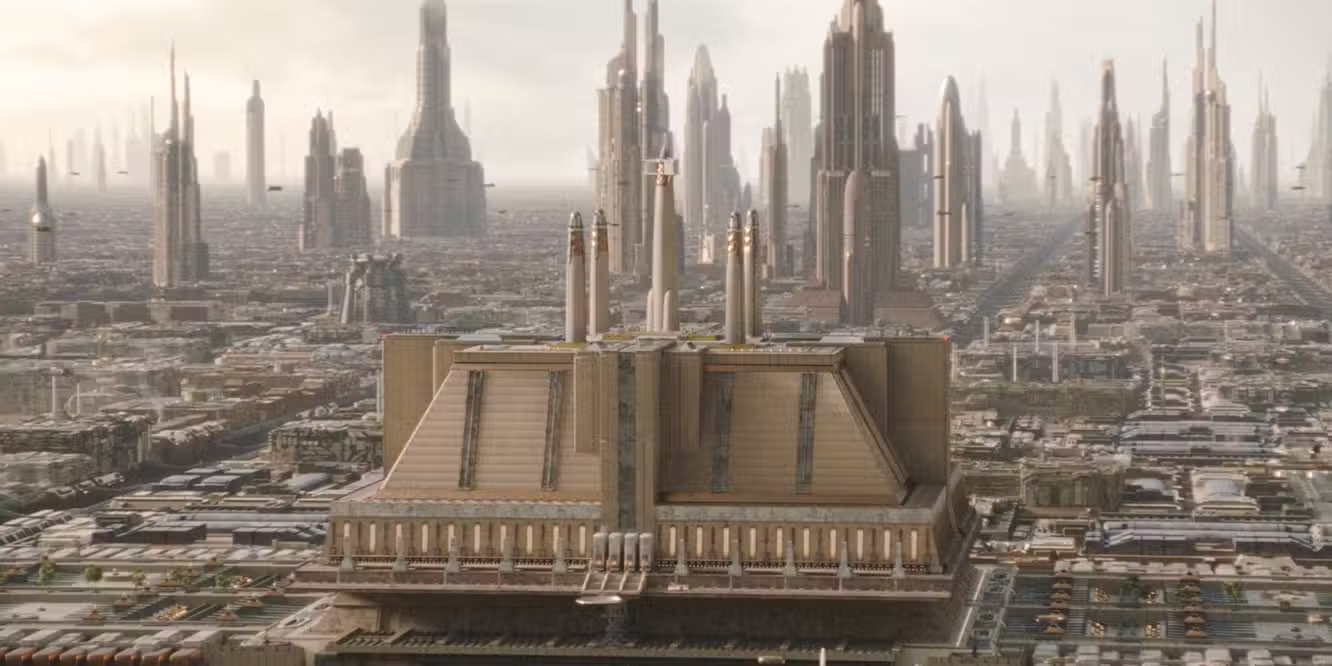
They had to risk appearing obstructionist, ungrateful, disloyal, or naïve. They had to risk being less useful to the Republic in order to remain useful to the future. That is the core demand they failed.
The deepest Jedi obligation was not to preserve their own institutional authority. It was to preserve the possibility of moral interruption. That is why the Jedi existed.
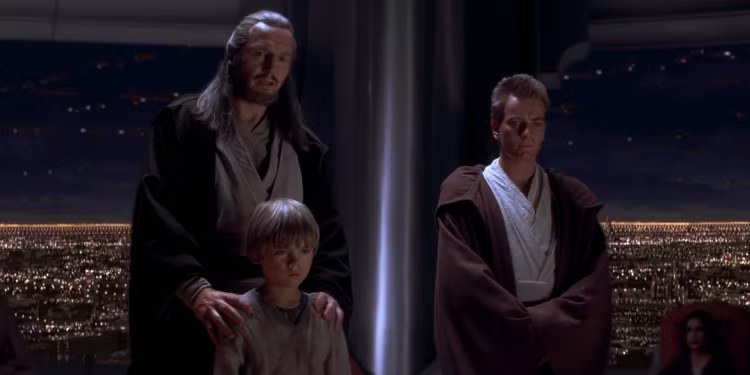
When the slave army appeared, the Jedi should have become much harder to use.
Ruling
The Jedi Order failed as an institutional moral field analyst.
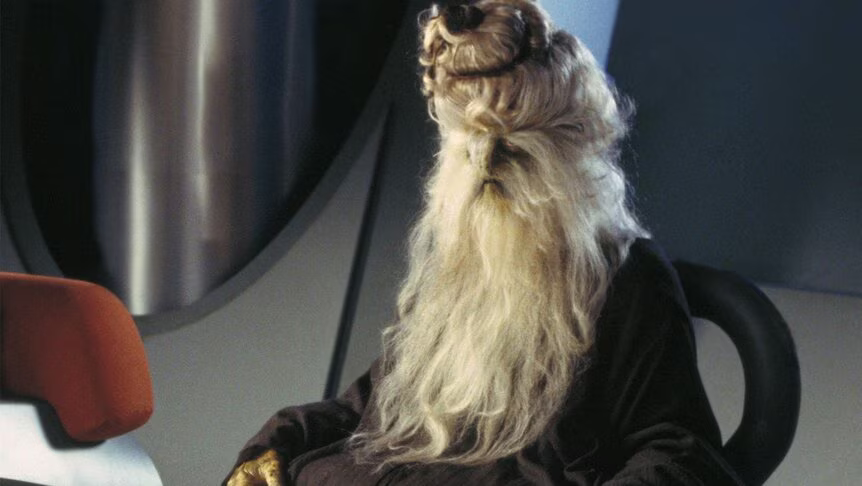
It perceived darkness in persons but failed to perceive domination in structure. It recognized the Sith as an enemy but did not recognize the clone army as a Sith-shaped field condition. It saw the war as a crisis requiring Jedi leadership, when this war was also a machine for converting Jedi leadership into Imperial legitimacy.
The clones were their test.
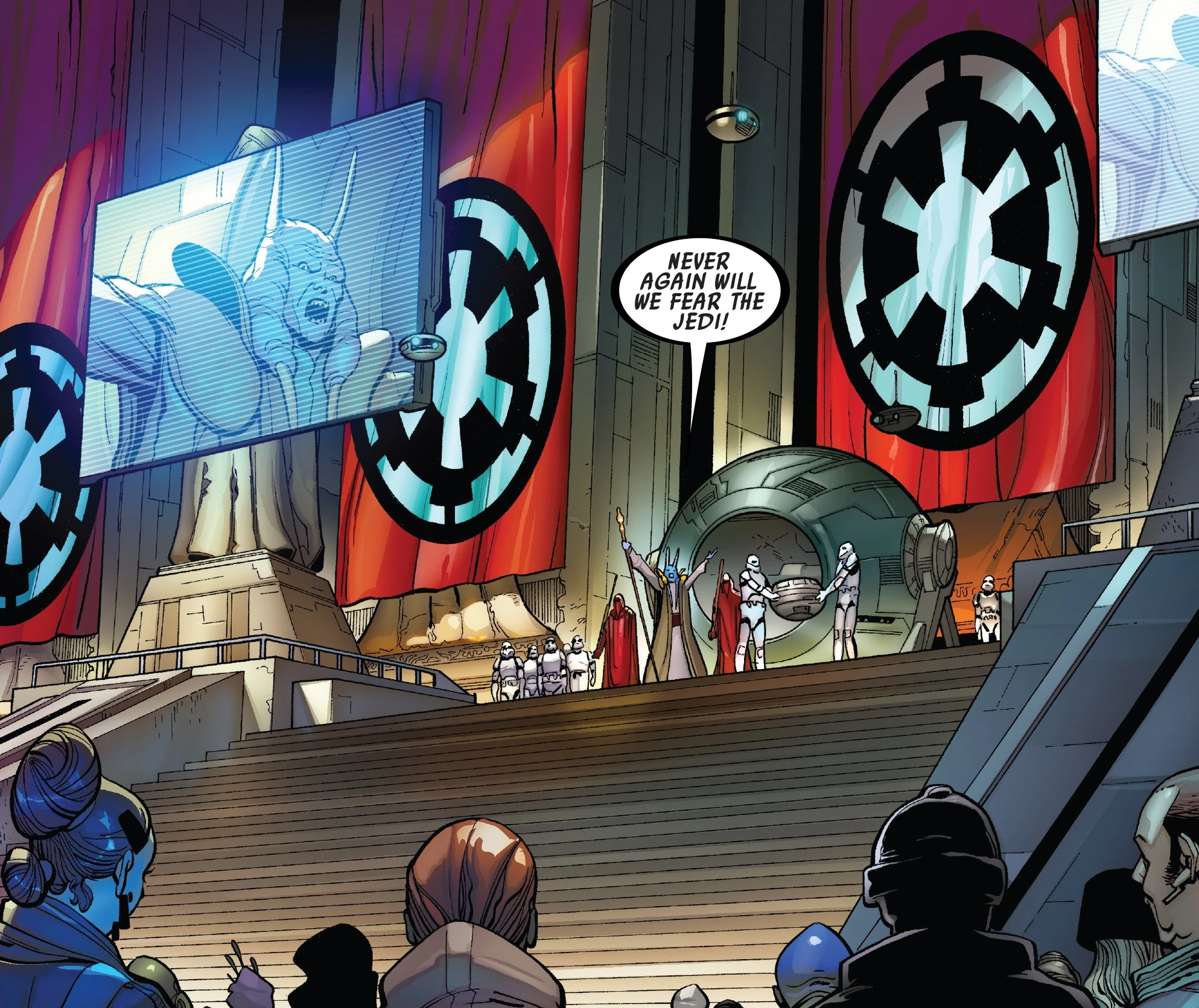
A manufactured army of captive persons appeared under suspicious circumstances, and the Jedi accepted command.
They cared about the clones as comrades, but they did not take up their cause as the central moral emergency of the war. They did not recognize that defending the Republic through clone slavery meant defending the Republic through a structure already compatible with the Empire.
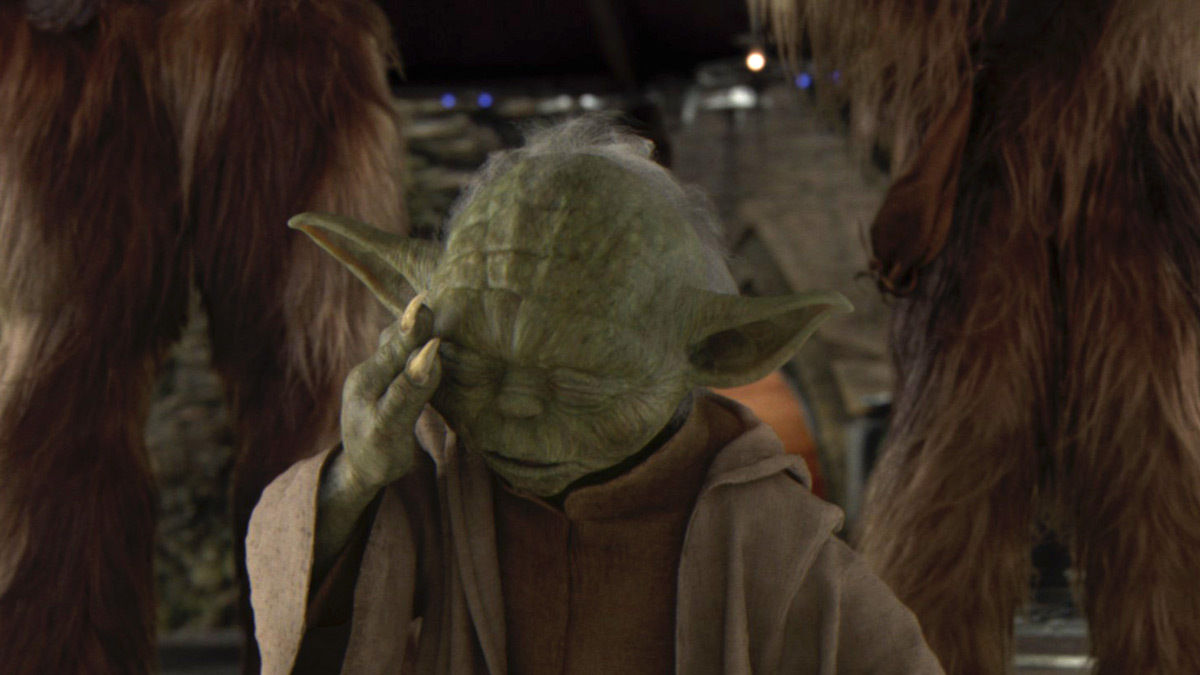
Their tragedy is not that they lacked ideals. Their tragedy is that their ideals became operational inside a field designed by their enemy. The value of their institutional authority came to outweigh those ideals.
Palpatine did not defeat the Jedi by making evil invisible. He defeated them by making evil useful to them. That is the warning.
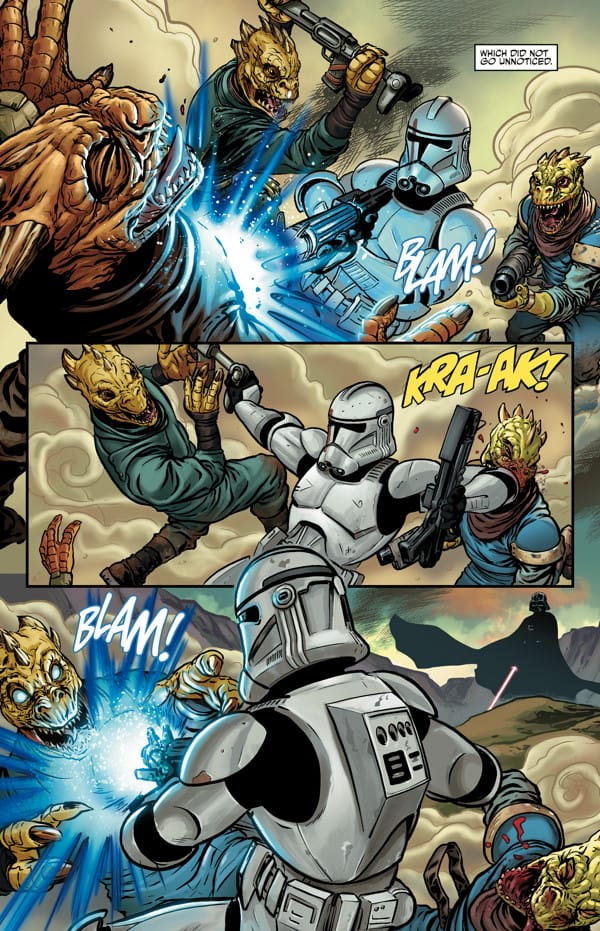
A moral institution can fall without abandoning its language. It can speak of peace while administering war, speak of freedom while commanding the unfree, speak of duty while losing the ability to ask who benefits from its obedience. It can remain sincere. It can remain brave. It can remain full of people doing locally defensible things.
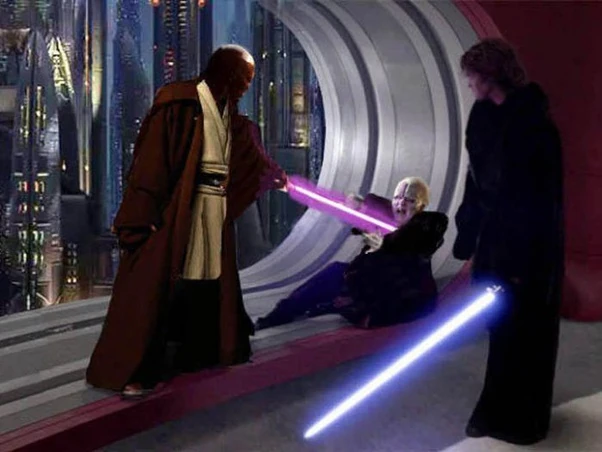
And still, if it cannot detect the field, it can become the instrument of the thing it exists to oppose.
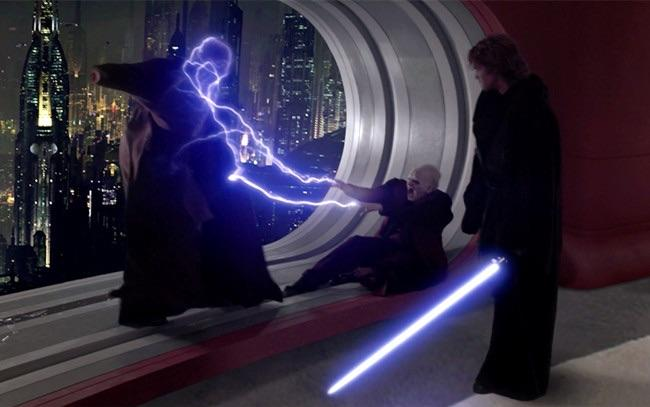
The galaxy did not need the Jedi to be generals. It needed them to notice the army.