Applied Case: When The Fifth Fish Flies
Tennessee has found another fish problem for Modal Path Ethics.
This time, the fish can fly.
Well, technically, the fish cannot fly.
That would be a different problem.
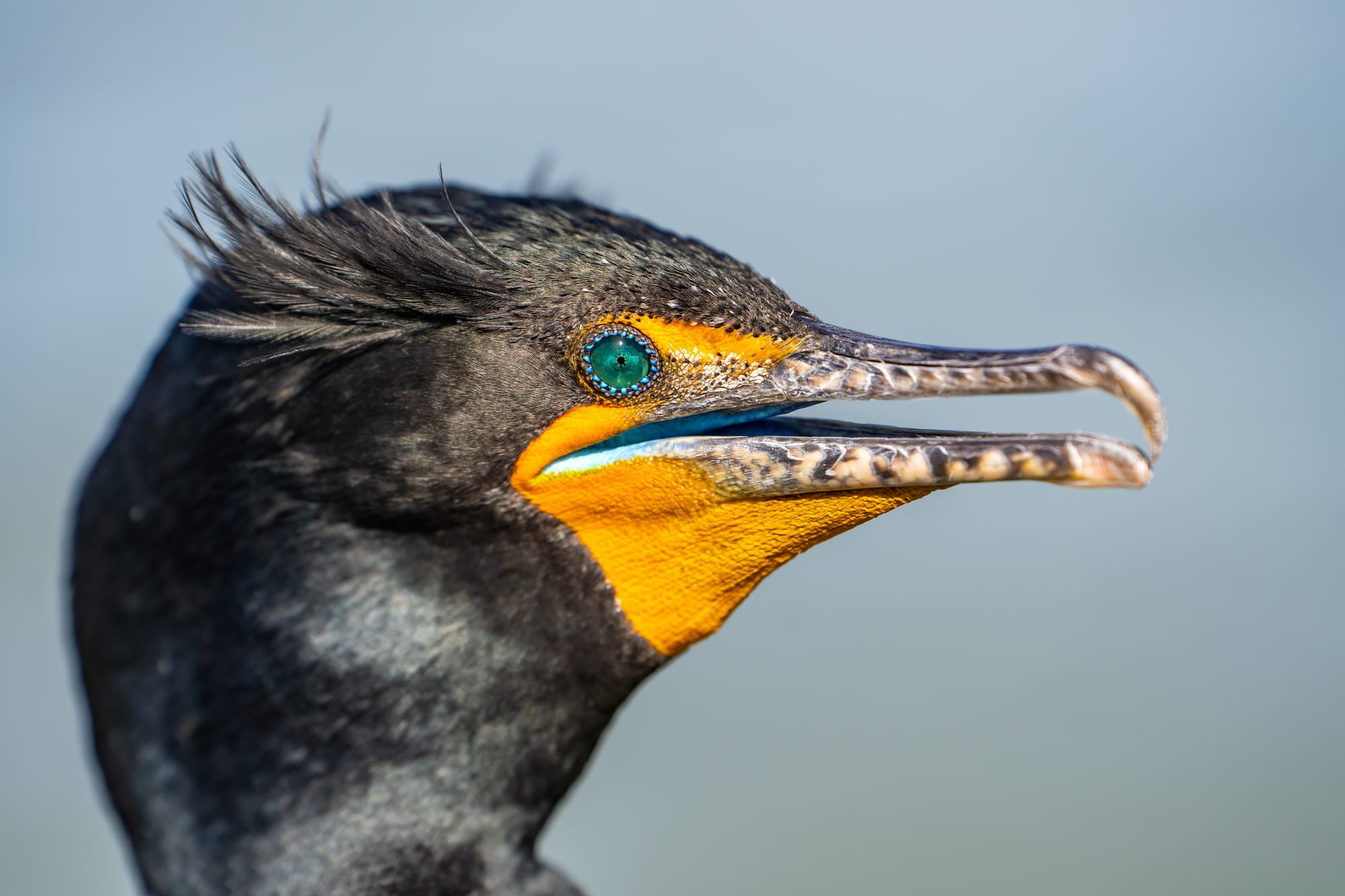
The thing eating the fish can fly.
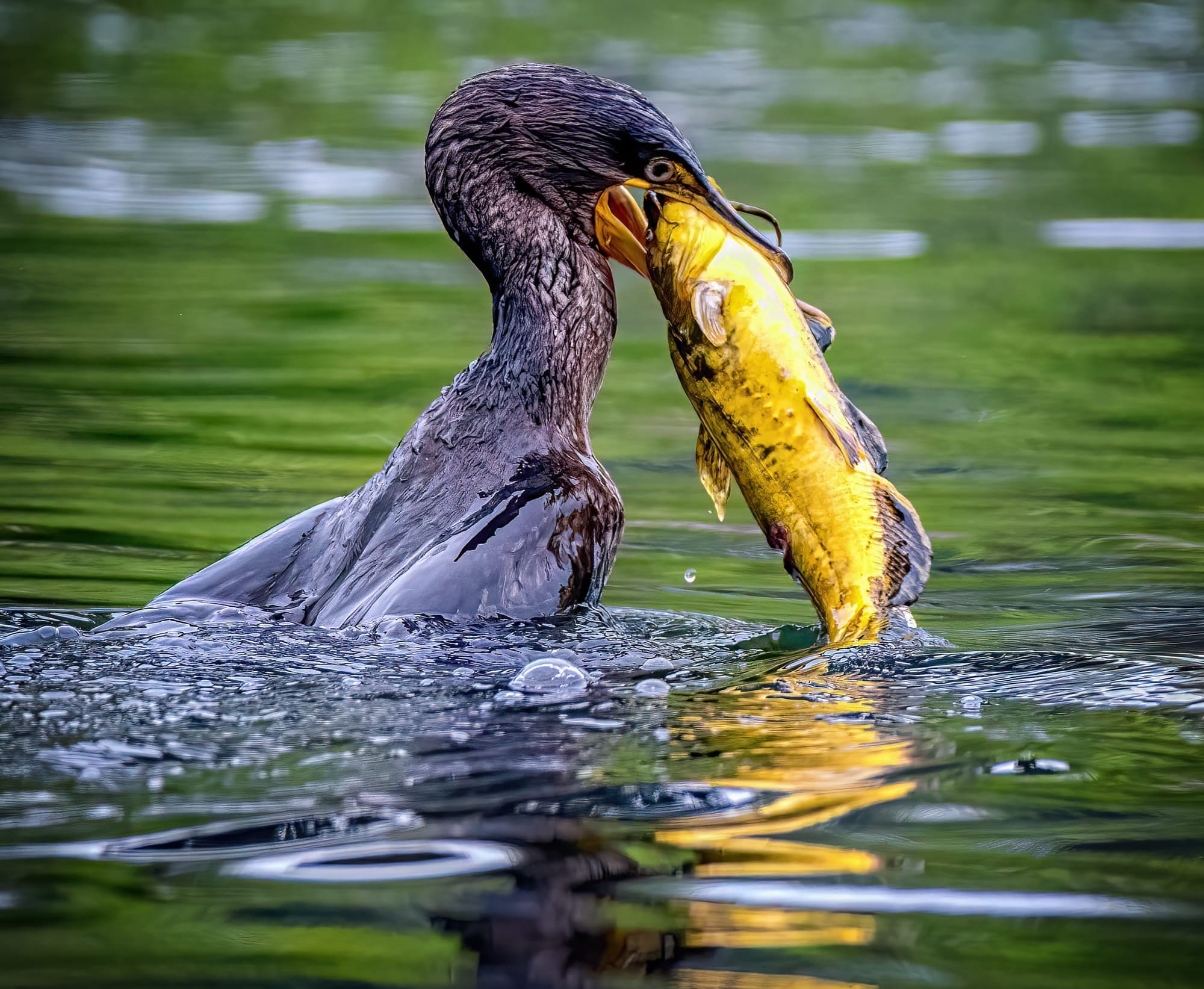
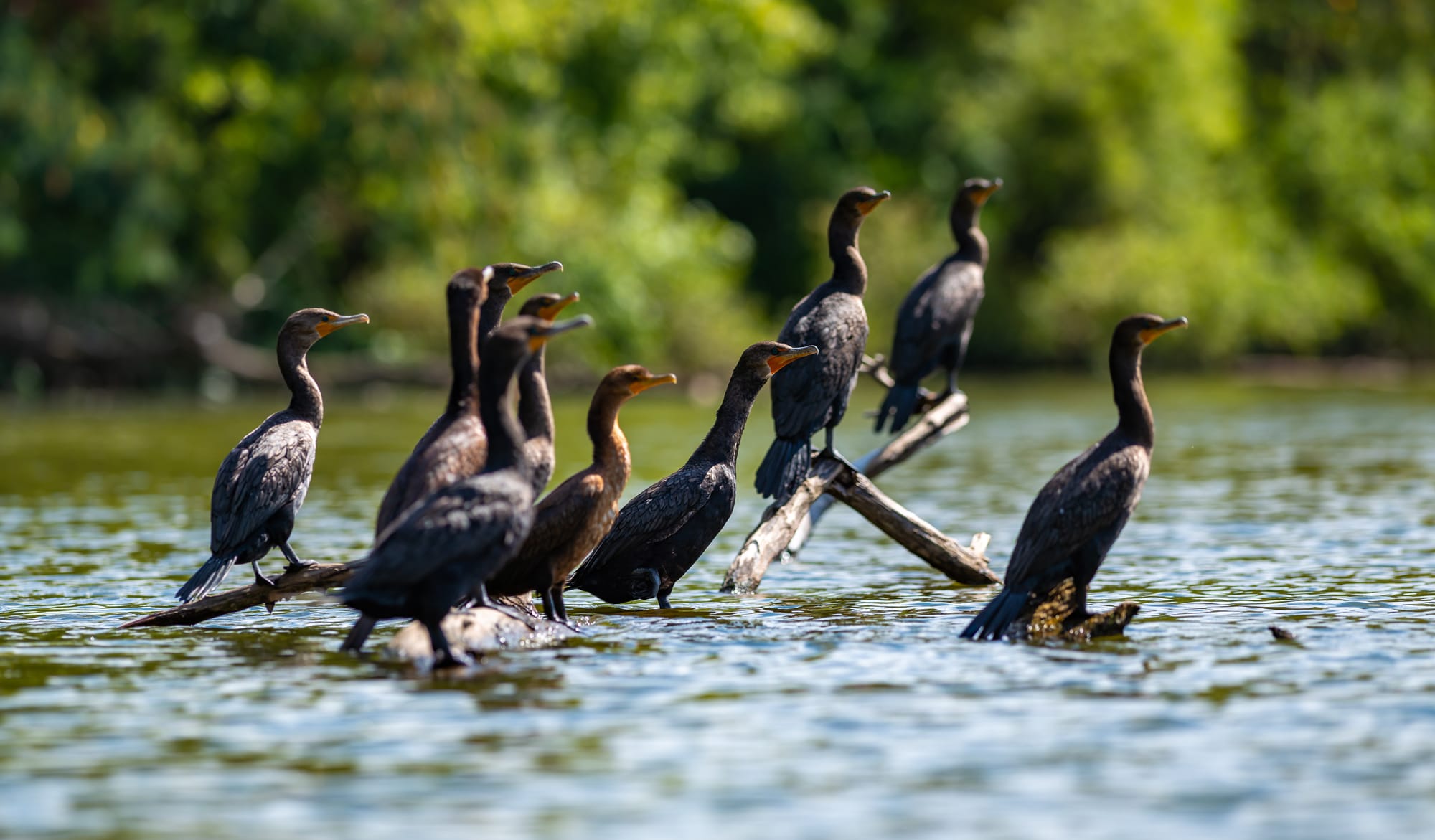
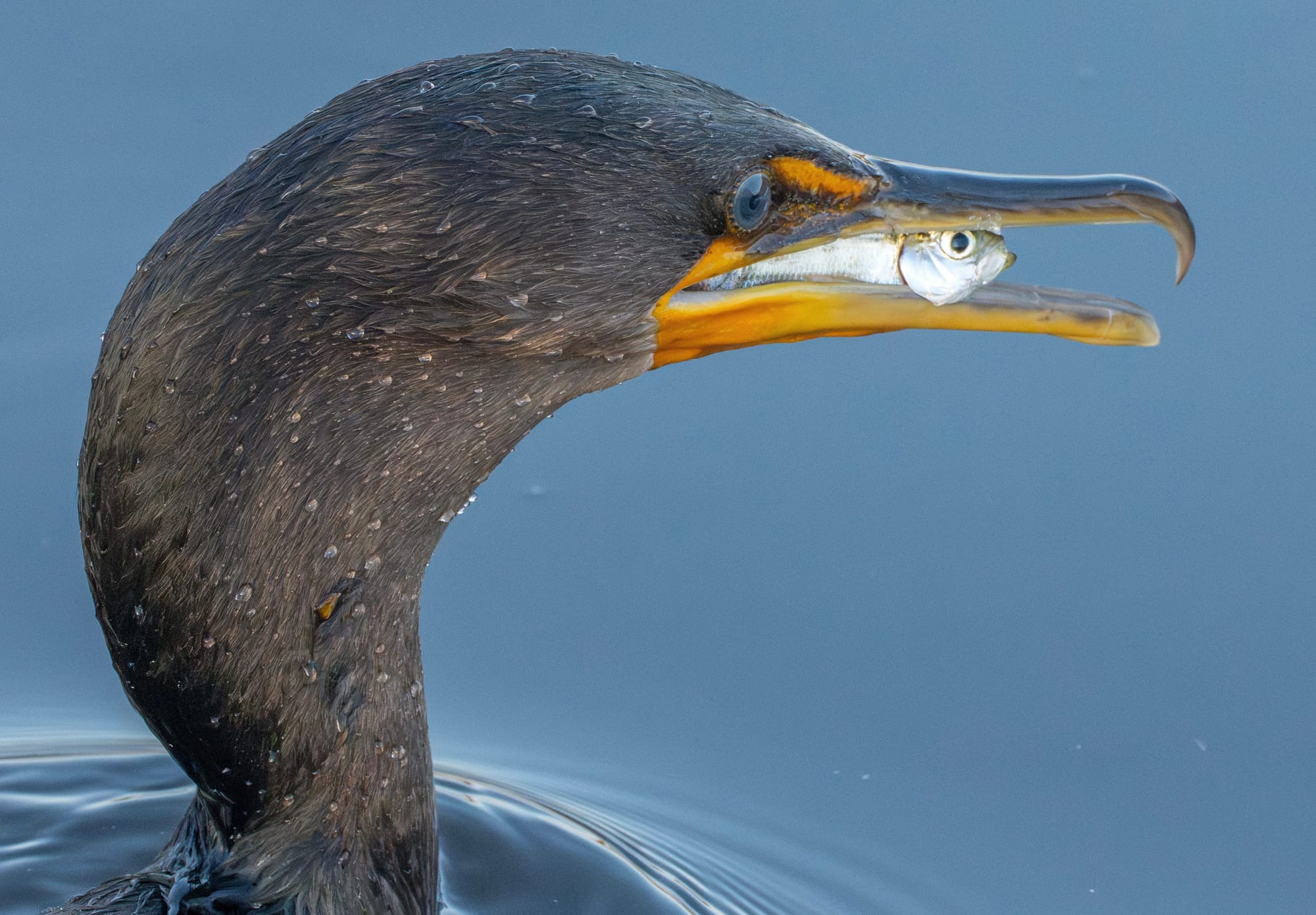
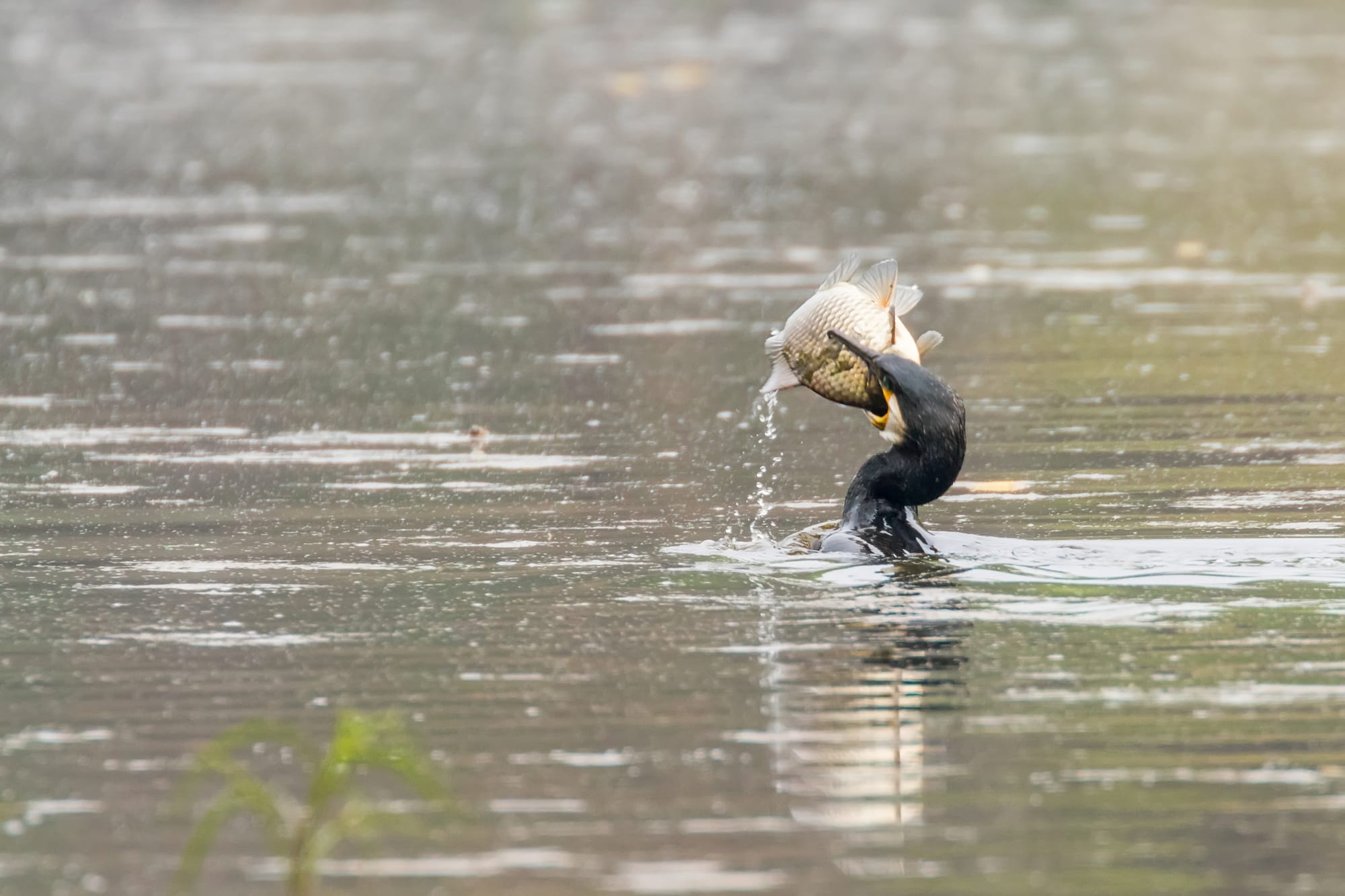
Double-crested cormorants are becoming increasingly conspicuous along the Tennessee River and the state's reservoirs. NewsChannel 9 reports growing concern among anglers about their numbers and their effects on game fish. Tennessee Wildlife Resources Agency describes the species as a fairly common migrant and winter resident in Middle and West Tennessee, with breeding numbers increasing rapidly.
Congress has now entered.
There is a bill.
- We have boats in the lakes.
- We have fish in the lakes.
- We have creeks entering the lakes.
- Now the birds above the lakes have acquired federal legislation.
Tennessee's aquatic curriculum continues.
The Fifth Fish Has Escaped the Cooler.
Last month, Modal Path Ethics met The Fifth Fish.
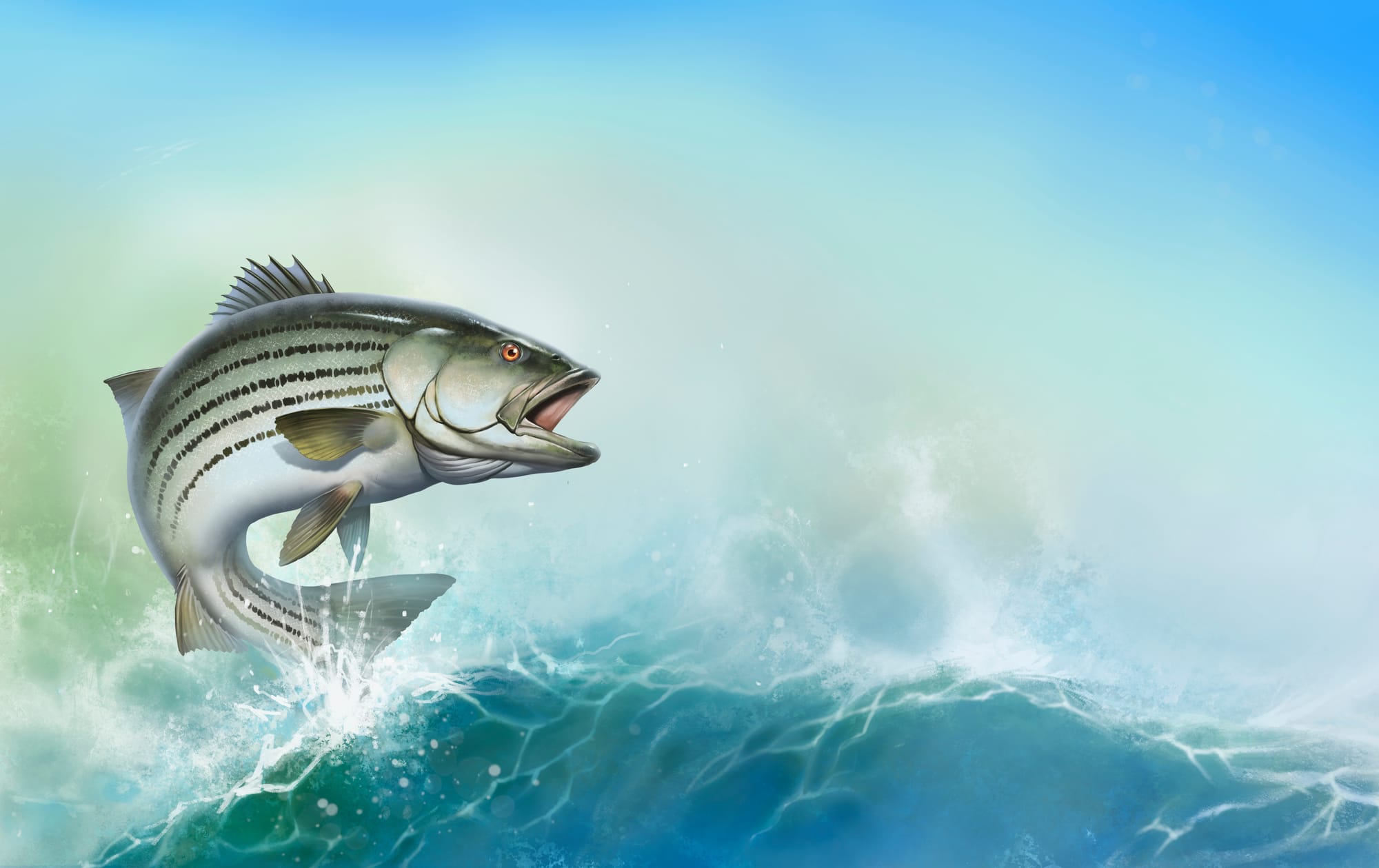
Two anglers left Percy Priest Lake with twenty-two striped and hybrid striped bass.
Tennessee permitted four.
The useful fish was number five.
Nothing physical changed between fish four and fish five. The rod worked. The boat worked. The cooler remained open. Another fish remained catchable.
The institutional relation changed.
The angler had reached the boundary governing extraction from a shared productive field.
That case gave us Common Pool Logic:
A right to take from a common pool is a right to participate in a continuing resource.
And the central question was beautifully simple:
Who stops?
A functioning fishery depends partly on people declining to extract everything they remain physically capable of extracting.
- The third fish stays in the water.
- The next boat gets a fish.
Restraint becomes infrastructure.
We now have a small problem.
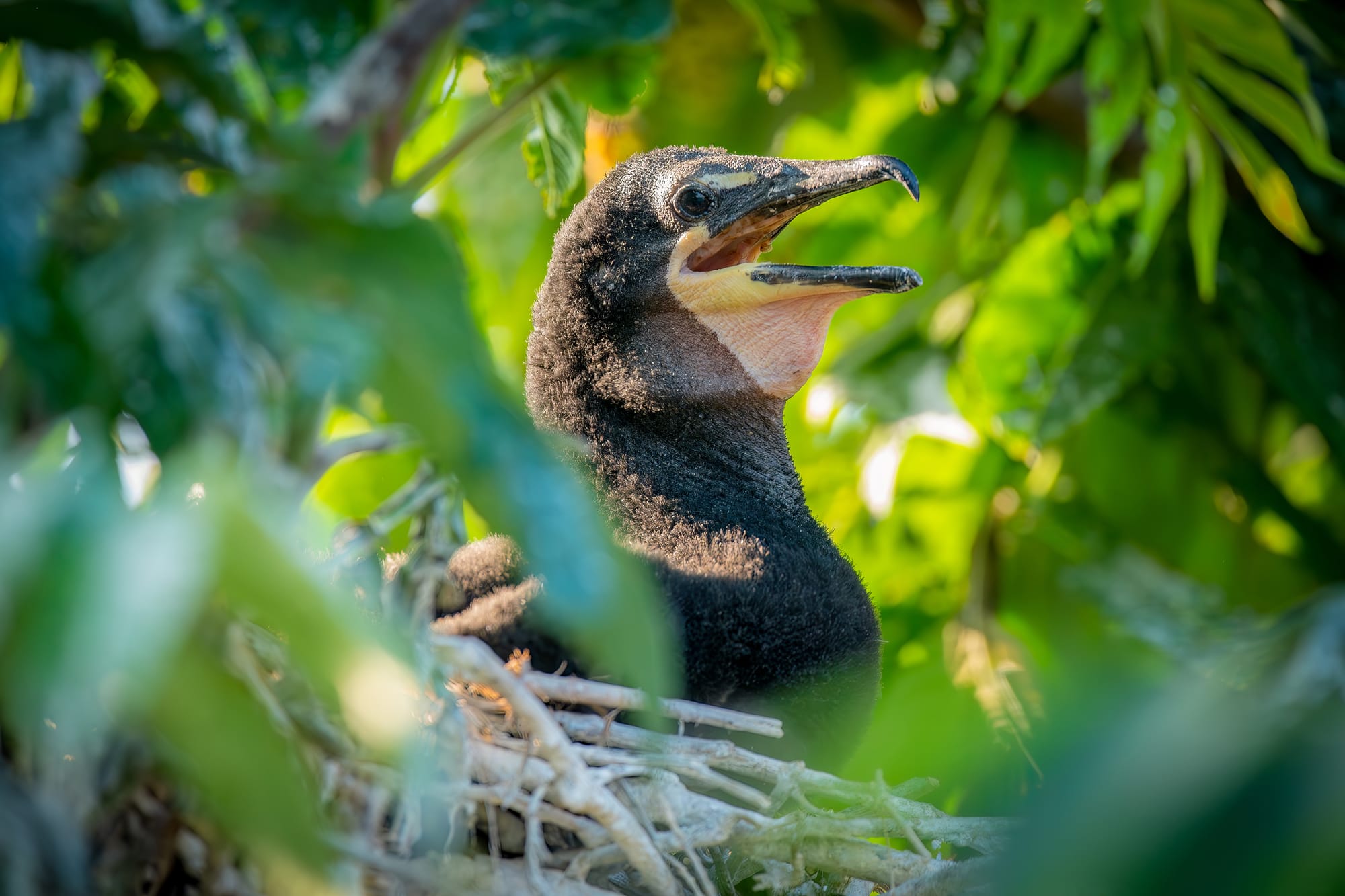
The cormorant has not read the article.
The cormorant has also failed to purchase a Tennessee fishing license.
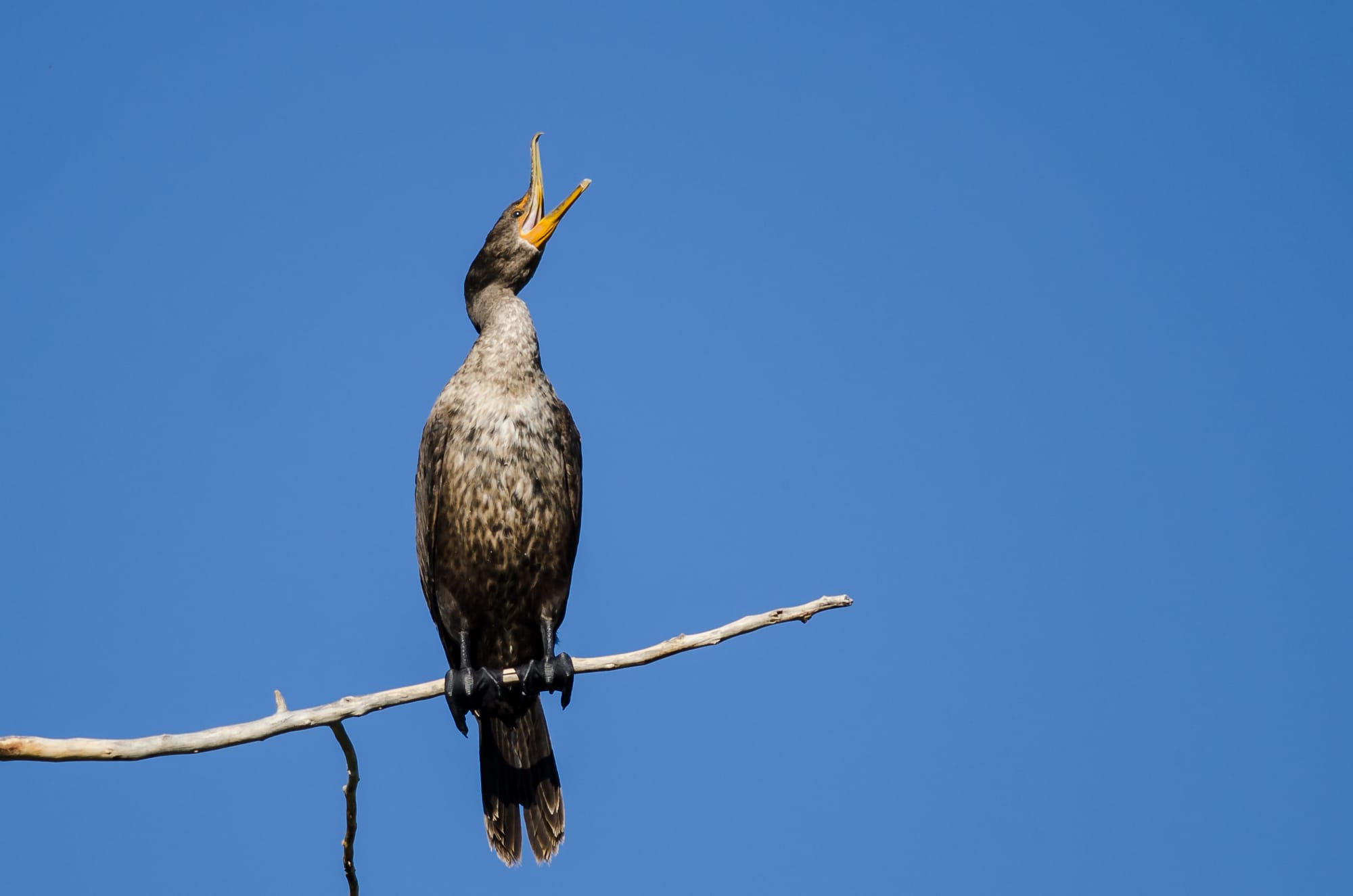
It possesses no creel limit.
It has not reviewed the Tennessee Wildlife Resources Agency website.
It has shown no interest in Elinor Ostrom.
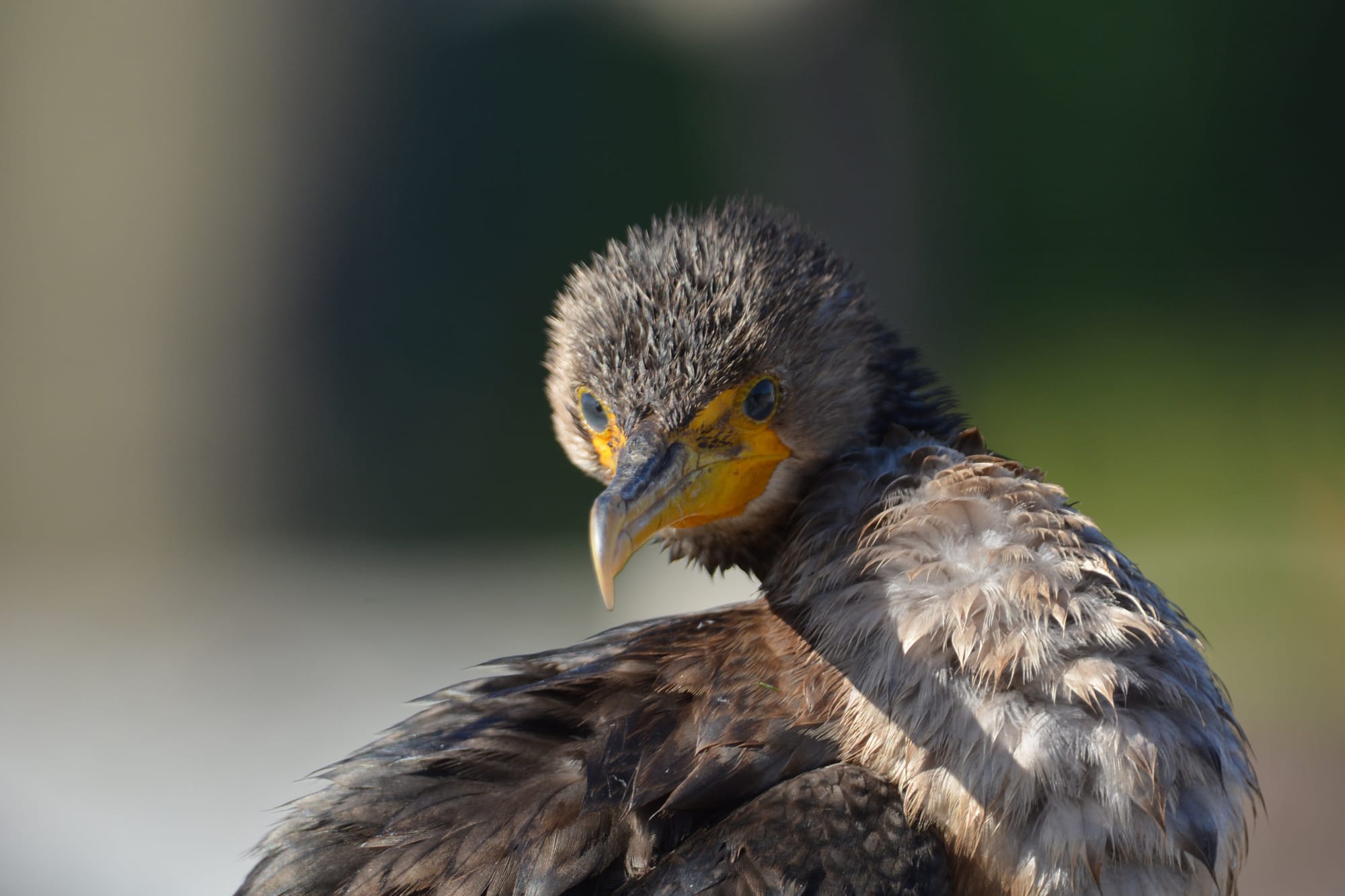
- The cormorant sees a fish.
- Then a bird thing happens.
Do Not Arrest the Cormorant.
- An angler who knowingly exceeds a harvest limit is participating in an institution and violating a condition of access.
- A cormorant is doing absolutely none of that.
- That is an animal eating.
The common-pool problem has therefore become stranger.
We still have a shared productive field.
We still have extraction.
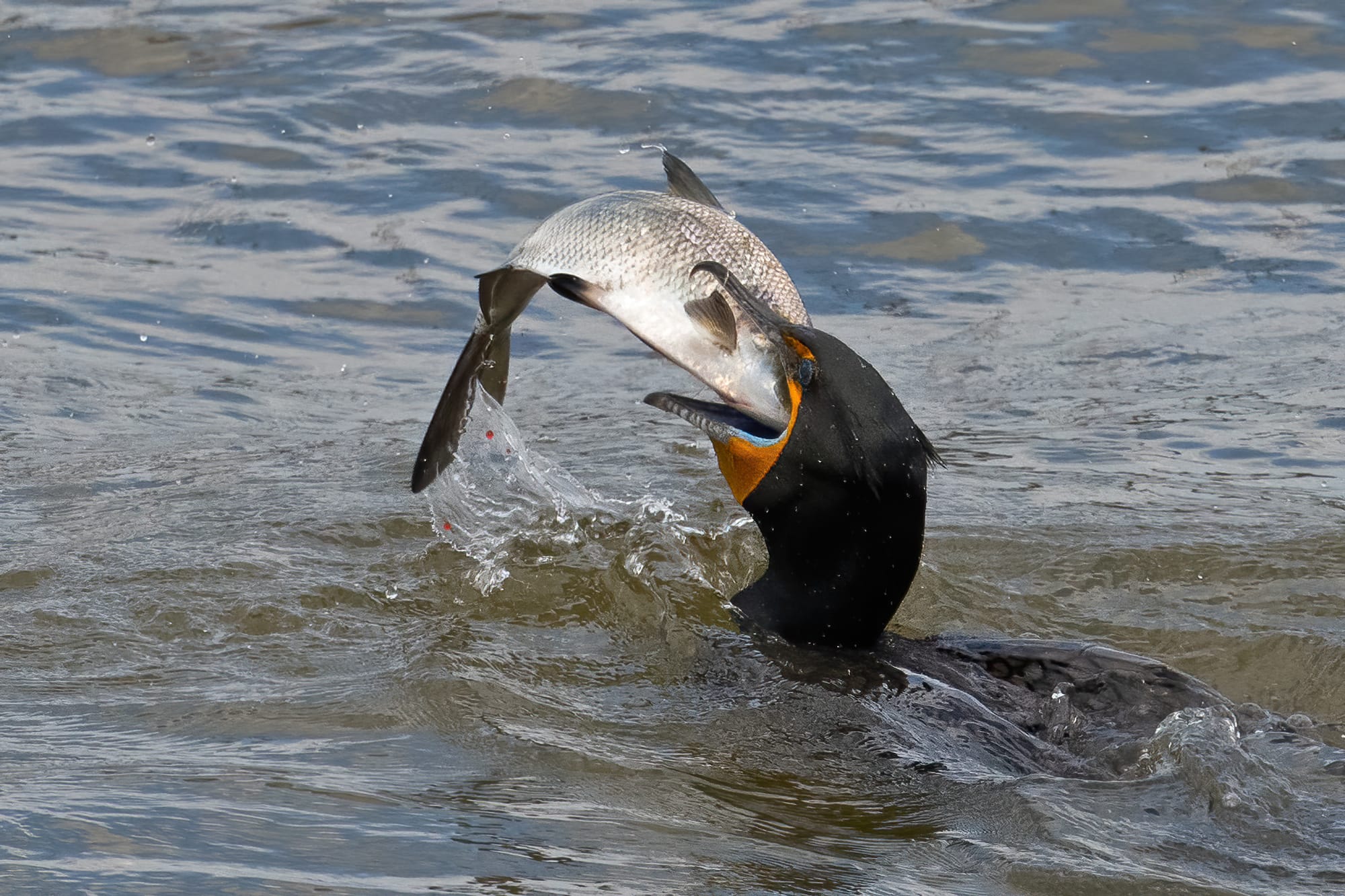
We still have competing continuations.
But one extractor cannot be governed through the institutional machinery that governed the anglers.
You cannot explain reciprocal restraint to the bird.
Tennessee Wildlife Resources Agency game wardens Dusten Moffitt and Matt Brian may not be able to catch it.
You cannot suspend its fishing privileges for twelve months.
You cannot fine it $785.
You could mail the citation. But this is unlikely to improve compliance.
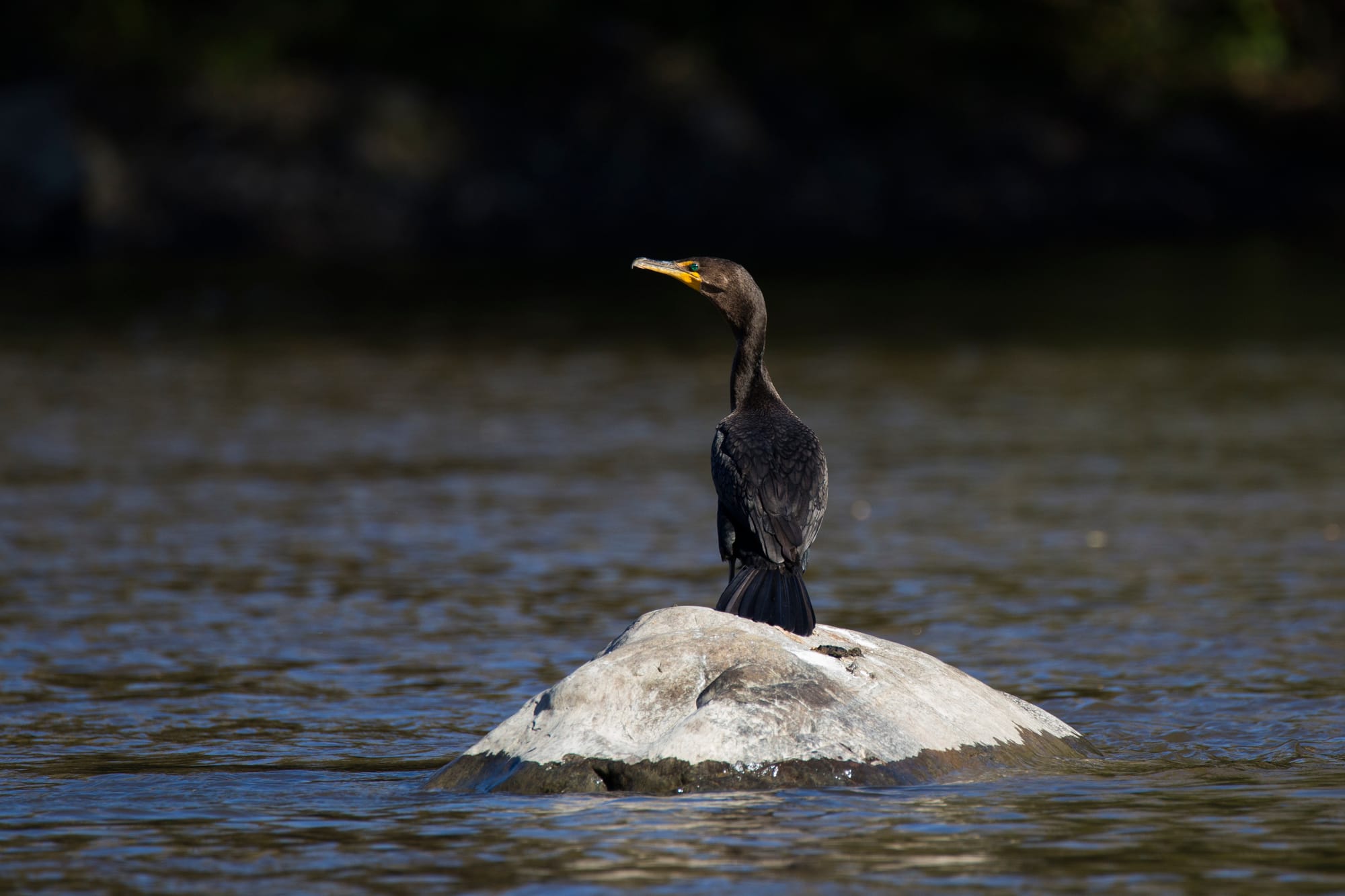
So the fifth fish has exposed another layer of the commons.
Sometimes:
Who stops?
cannot be answered by asking the taker to stop.
The surrounding field has to decide whether intervention is warranted, what kind, at what scale, under which evidence, and with what protection for the predator that has become part of the conflict.
That is no longer a problem of individual compliance.
This is governance.
The Cormorant Was Here Before the Crisis.
The easiest article to write would turn the bird into a villain.
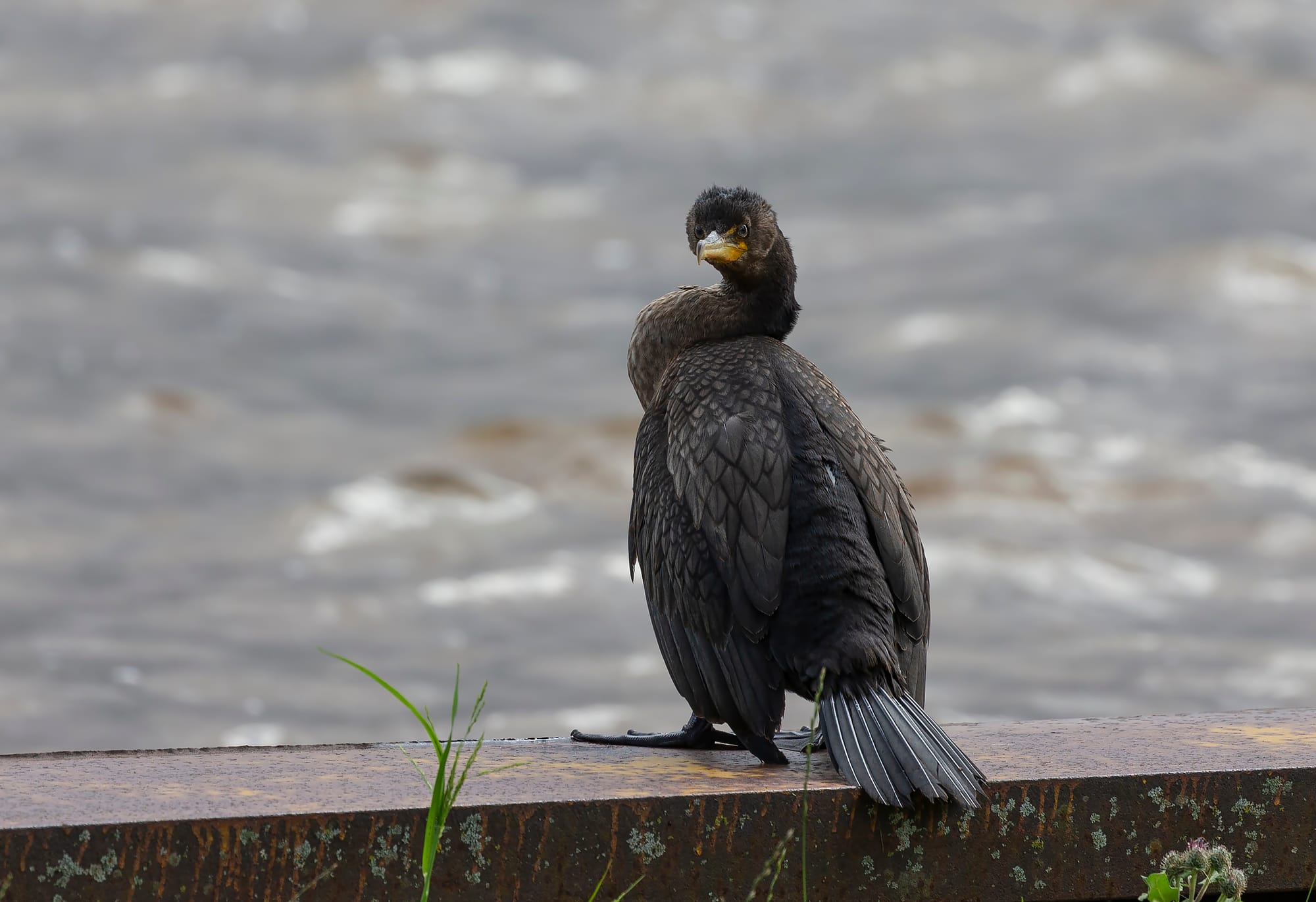
That article would also be stupid.
Double-crested cormorants disappeared as a nesting species in Tennessee between roughly 1955 and 1992. Tennessee Wildlife Resources Agency identifies eggshell thinning associated with DDT as the most likely reason. The birds later returned, and the agency now describes their breeding numbers as increasing rapidly.
So we have encountered one of conservation's more interesting situations.
- The bird was harmed.
- The instrument responded.
- The population recovered.
- The recovered population entered a changed world full of reservoirs, stocked fisheries, hatcheries, aquaculture, recreational fishing, altered habitat, artificial concentrations of prey, and people with boats they may abandon.
- Now there are conflicts.
This does not make the earlier protection a mistake.
It does not make every present complaint imaginary either.
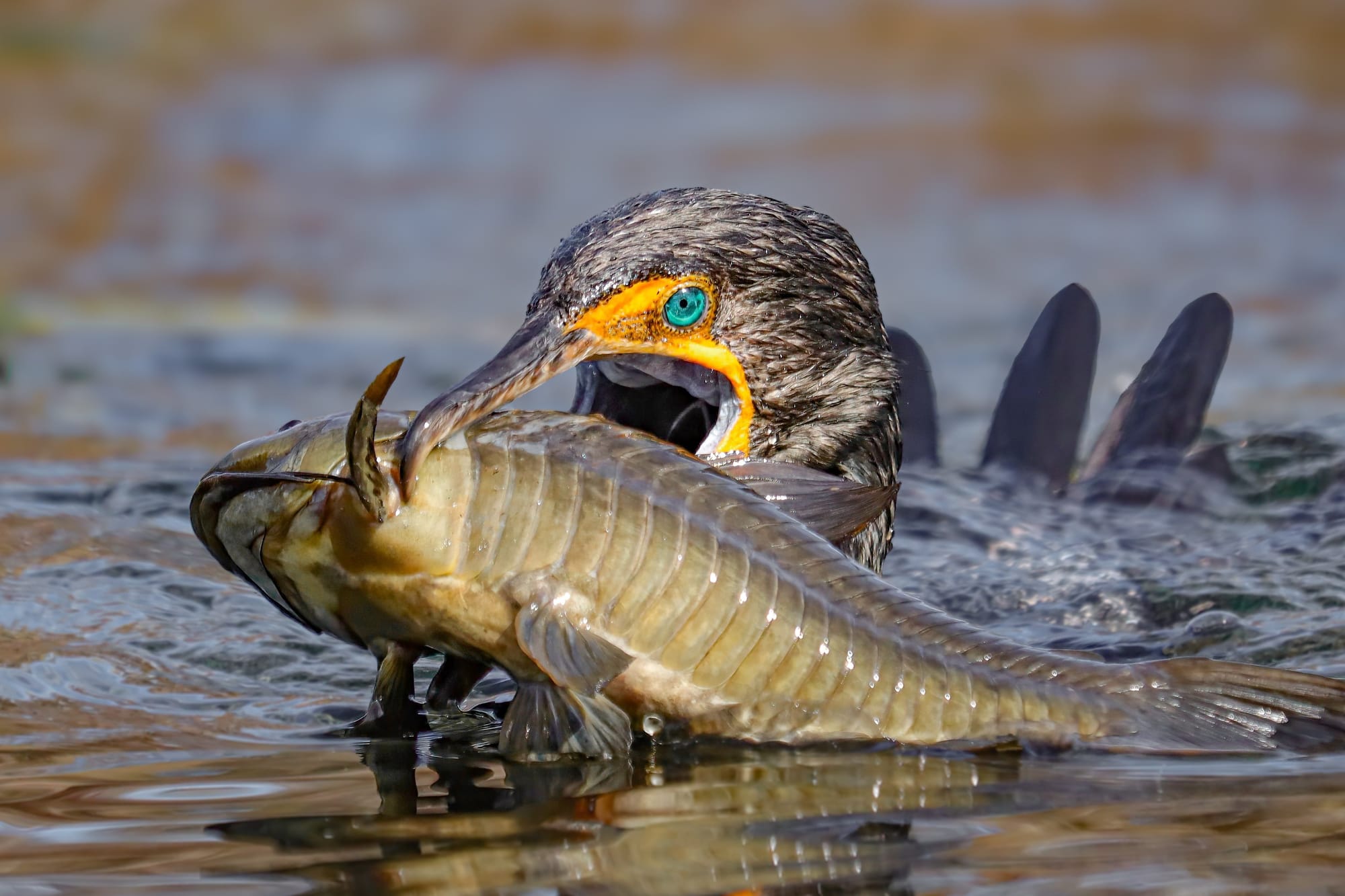
It means the field changed.
That should sound familiar.
No instrument owns the field it successfully repaired.
- A conservation rule earns no permanent exemption from later evidence because it once prevented harm.
- A fishery-management rule earns no permanent title over a predator because anglers value the fish it eats.
Success creates the next field in which correction has to work.
Do Not Solve the Fishery Just Yet.
We learned this one from the creek.
Three Wilson County residents reported E. coli infections.
- There was a creek.
- There was flooding.
- There was nearby construction.
- There was flooding.
Six seconds later, the story had already been assigned a villain.
Modal Path Ethics declined.
The evidence had not finished arriving.
The Creek Has No Jurisdiction established the rule:
- Jurisdiction can divide authority.
- It cannot divide the field receiving the consequences.
And it established another one in practice:
Do not close the causal story before the field has finished answering.
The cormorant needs the same courtesy.
Cormorants eat fish.
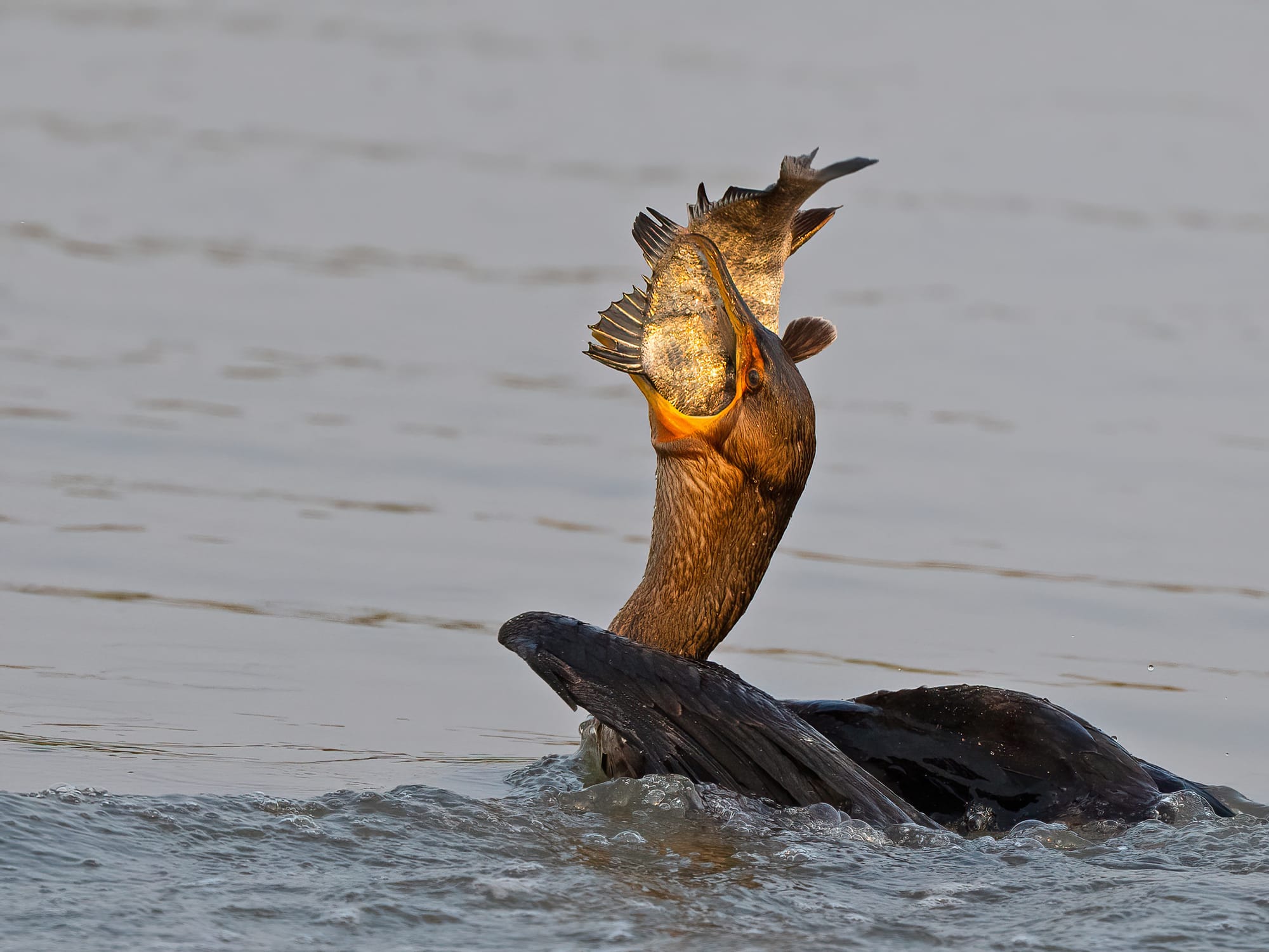
That is well established.
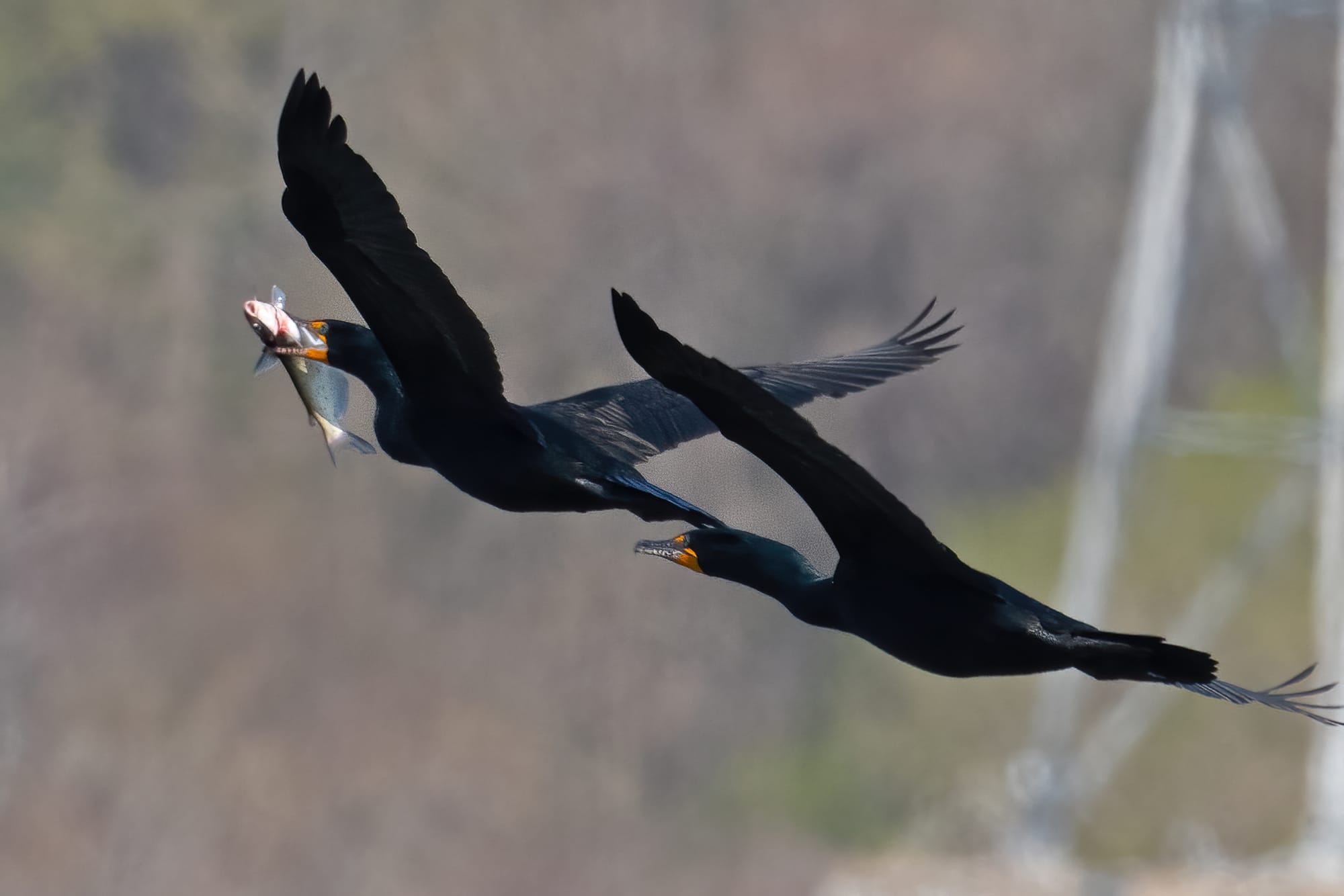
They can produce serious localized effects under some conditions. The U.S. Fish and Wildlife Service says a limited but growing body of research has found cases where predation on sport fish was large enough to affect catch rates, and some management interventions reduced those effects.
The Service also says cormorants are one factor among water quality, aquatic habitat, other predators, and angler harvest. Their effects vary substantially among fisheries, and additional research remains necessary.
So the bird has entered the UNKNOWN column.
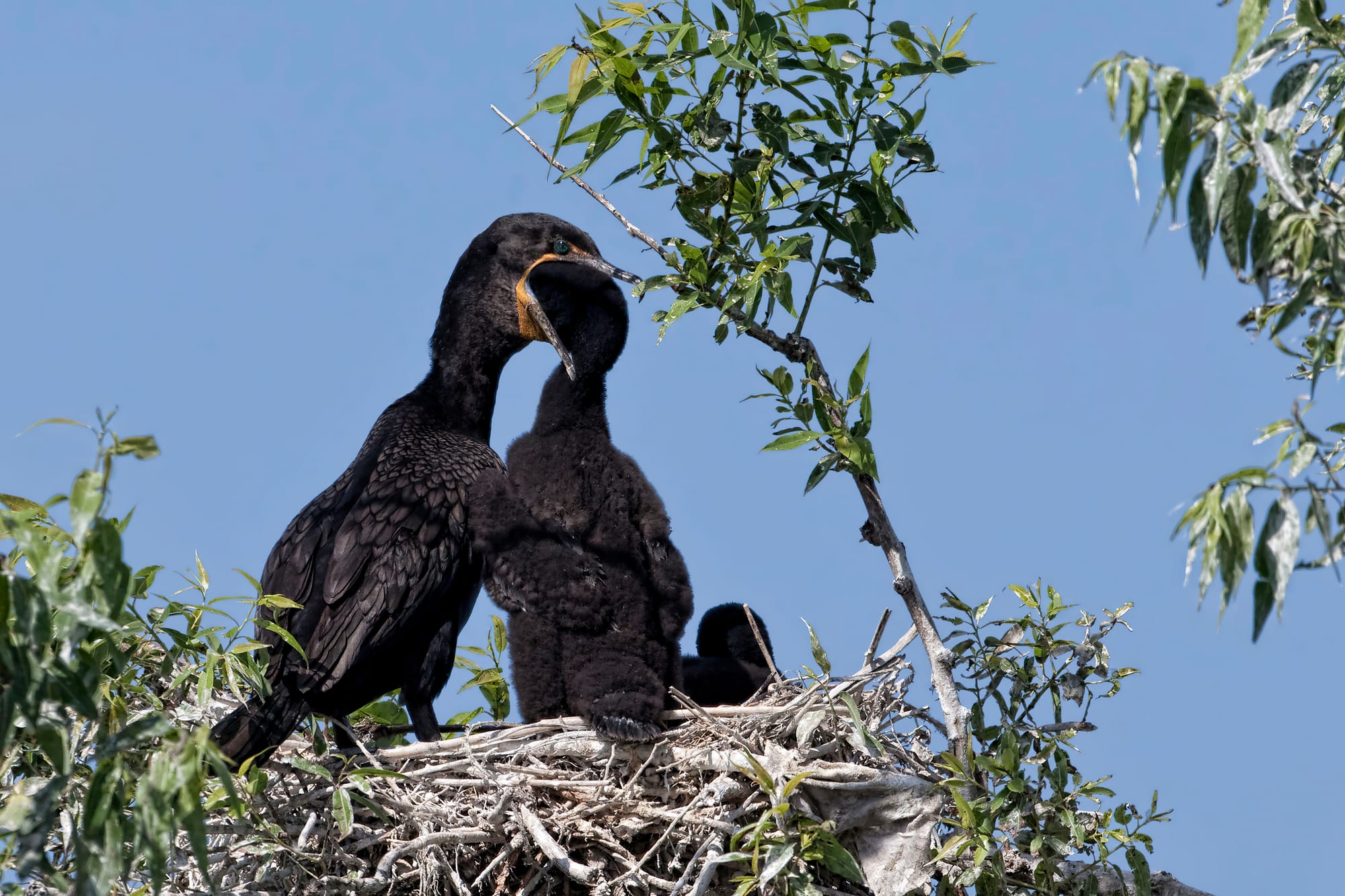
Leave it there until evidence moves it.
- A hundred birds above one stocking site can be relevant.
- A hundred birds above another body of water do not inherit that causal conclusion.
A declining sport fish population does not become a cormorant statistic because somebody looked upward and found a suspicious number of black birds.
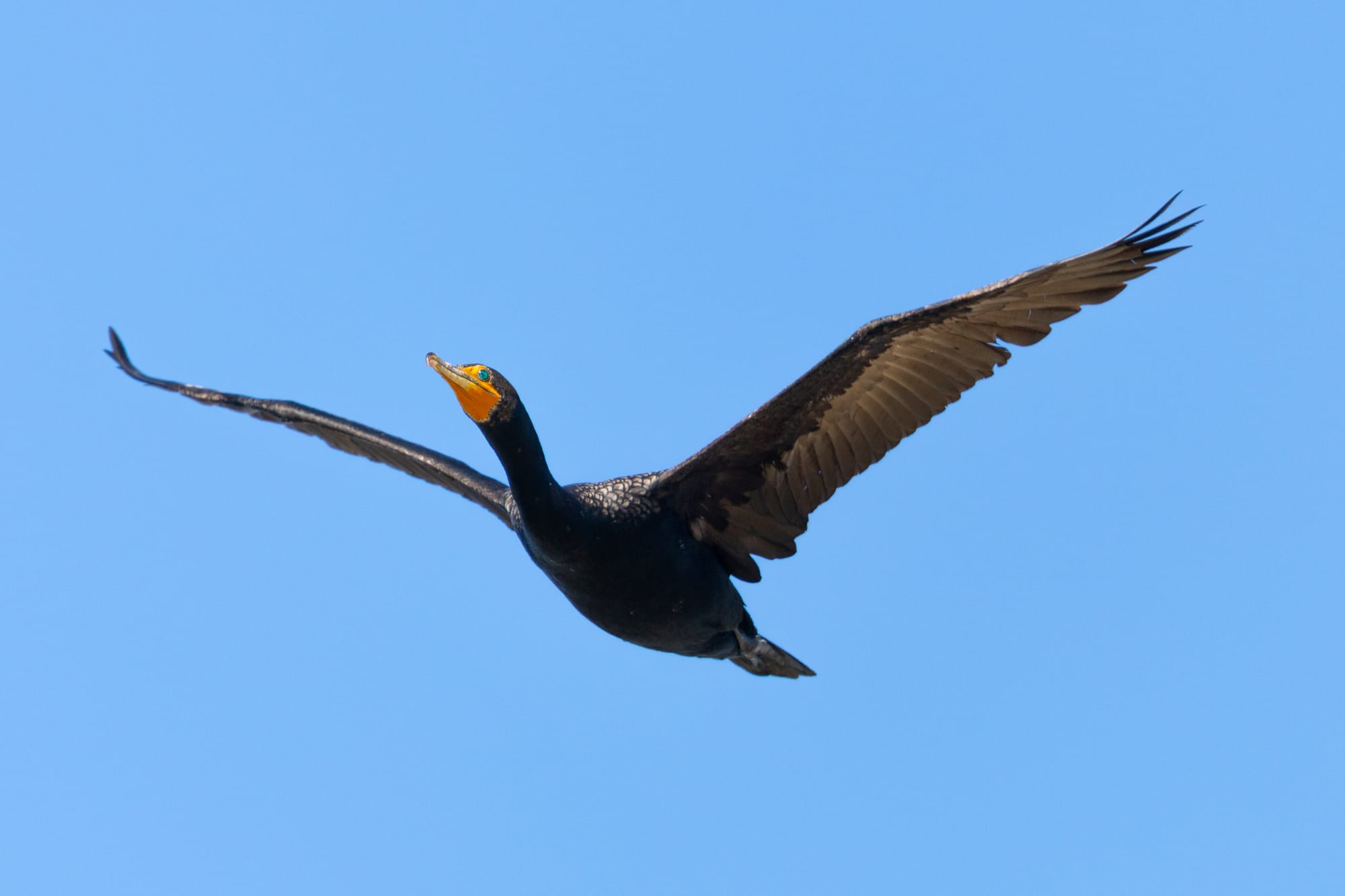
Likewise, federal protection cannot answer a local ecological question by pointing out that the species remains protected.
The field gets to testify too.
Congress Has Discovered the Bird.
- On April 2, Representative Tim Walberg introduced H.R. 8195, the Responsible Cormorant Management and Control Act of 2026.
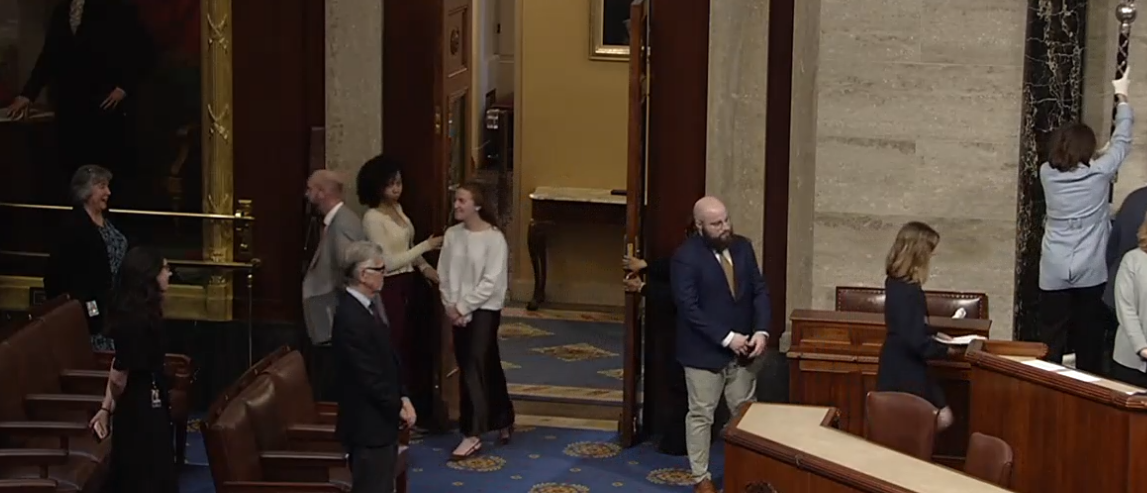
- On September 15, the House Natural Resources Committee ordered a substitute version reported by unanimous consent.
- Then, on September 24, Senators Ted Cruz and Katie Britt introduced S. 5514, a Senate companion, which was referred to the Committee on Environment and Public Works.
As of October 17, those remain the latest listed legislative actions.
Nobody panic yet.
Congress has not yet declared war on the bird.
The Senate text would require the Interior Department, acting through the U.S. Fish and Wildlife Service and coordinating with the four Regional Flyway Councils, to create regional management frameworks for double-crested cormorants based on the best available scientific information.
Now we have something worth looking at.
Because this bird just flew directly into the problem from The Creek Has No Jurisdiction.
The County Ends.
The Bird Keeps Going.
- A striped bass in Percy Priest can be governed at the reservoir.
- An angler can be licensed by Tennessee.
- A boat can be registered.
- A shoreline can have an owner.
- A county can end at a line.
- The cormorant looks at all of this administrative shit and continues flying.
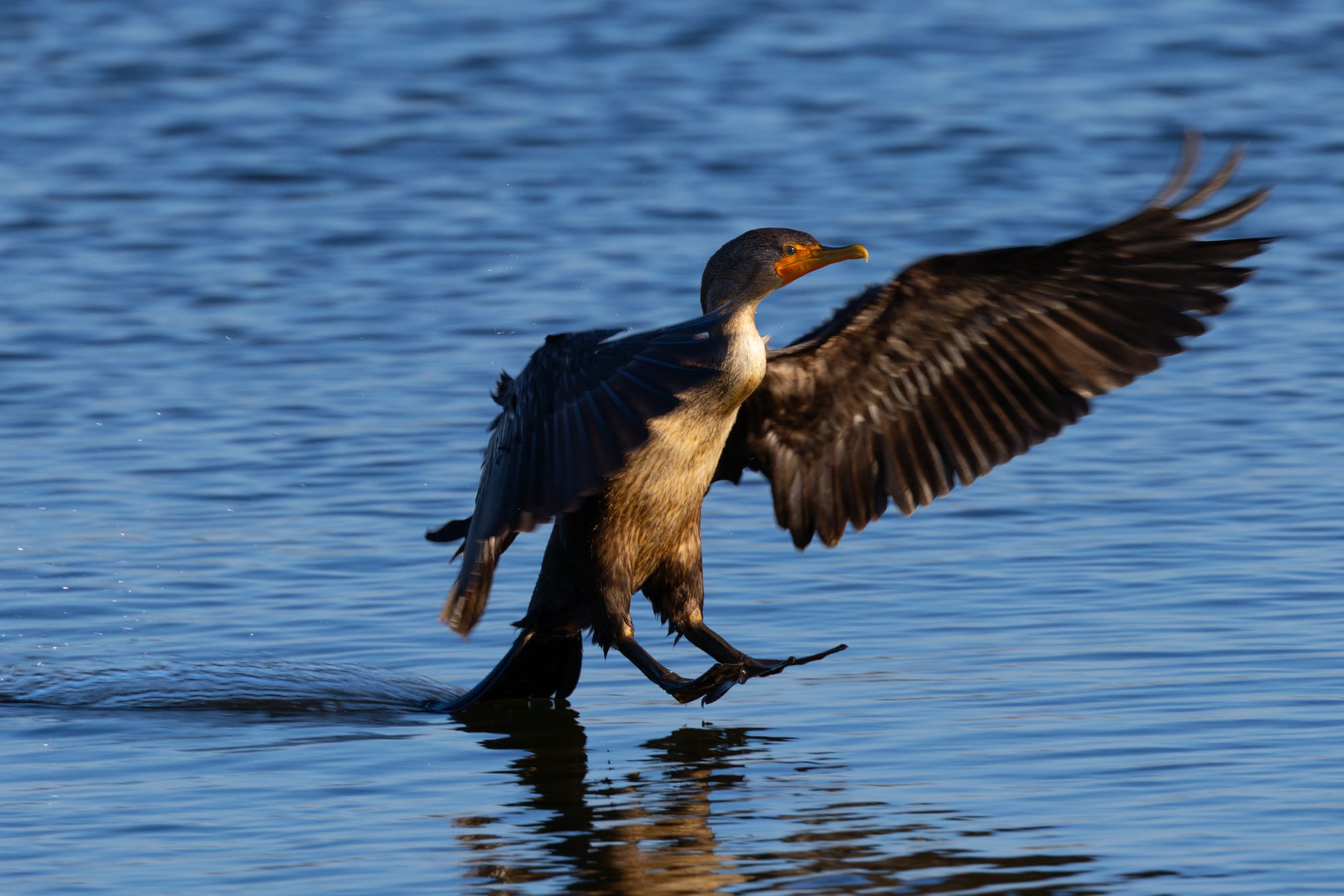
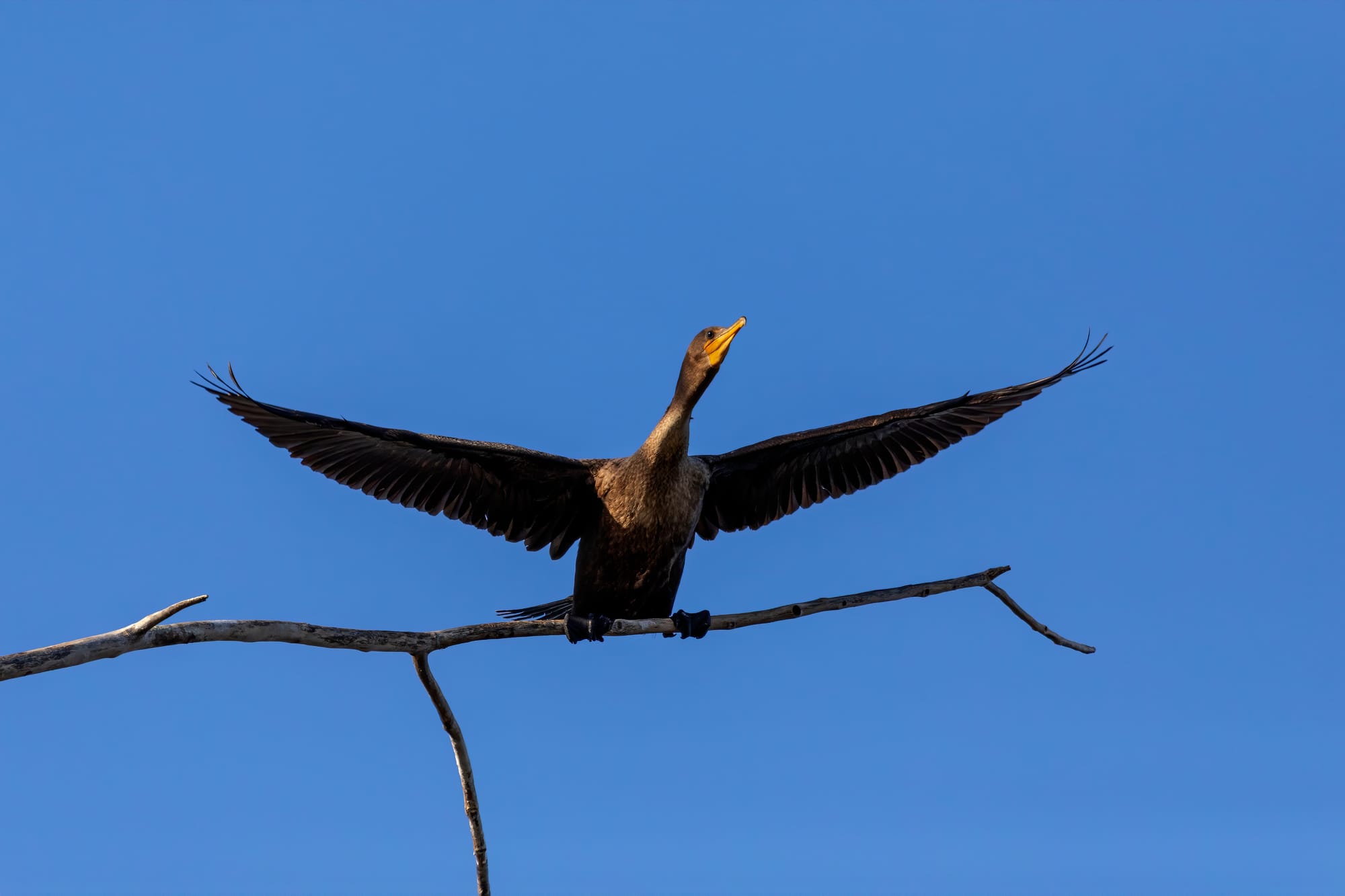
This thing is a migratory bird protected under federal law. It may breed in one place, migrate through another, winter somewhere else, feed in a Tennessee reservoir, and then just leave the state carrying no visible respect for our beautifully nested jurisdictional arrangements.
This produces the exact problem we saw in Wilson County.
The physical field integrates relations that the institutional field has divided.
Except the creek moved downhill.
The cormorant can move up.
Feels unfair, right?
Congress has therefore proposed regional management around the four flyways.
That makes immediate structural sense.
This bird operates across state lines.
The management architecture moves outward toward the scale at which the bird actually continues.
Then something else has to happen.
The framework has to come back down.
Because the conflict does not occur at the level of:
THE MISSISSIPPI FLYWAY.
It occurs at:
- this lake.
- this hatchery.
- this nesting island.
- this fishery.
- this concentration of birds.
- this documented effect.
The governance problem therefore runs in two directions at once.
- The population is regional.
- The harm can be local.
We have built a jurisdiction problem with wings.
Congress Has, Somewhat Alarmingly, Read the Assignment.
The Senate bill contains several conditions that deserve actual attention.
Each regional framework would have to keep breeding populations at levels sufficient for conservation and keep cumulative authorized take within biologically sustainable levels.
It would have to specify methods and periods of take.
It would require public annual reporting of target and non-target birds taken, measures protecting non-target species, and require a documented conflict at an identified location that authorized take can feasibly resolve.
It would require nonlethal measures.
It would consider effects on fisheries, vegetation, other migratory birds, human health and safety, water quality, and threatened or endangered species.
And it would require long-term monitoring of what the management itself does.
Hey, Congress?
Who put the one annual working correction path in the bird bill?
This Bird Has Jurisdiction Over Nothing.
Neither does the fish.
Neither does the angler.
Neither does the fishery biologist.
Neither does the federal permit.
This is where the case moves beyond ordinary wildlife conflict.
The temptation is always to find the thing that should become sovereign.
- The anglers value the fishery.
- Give the fishery priority.
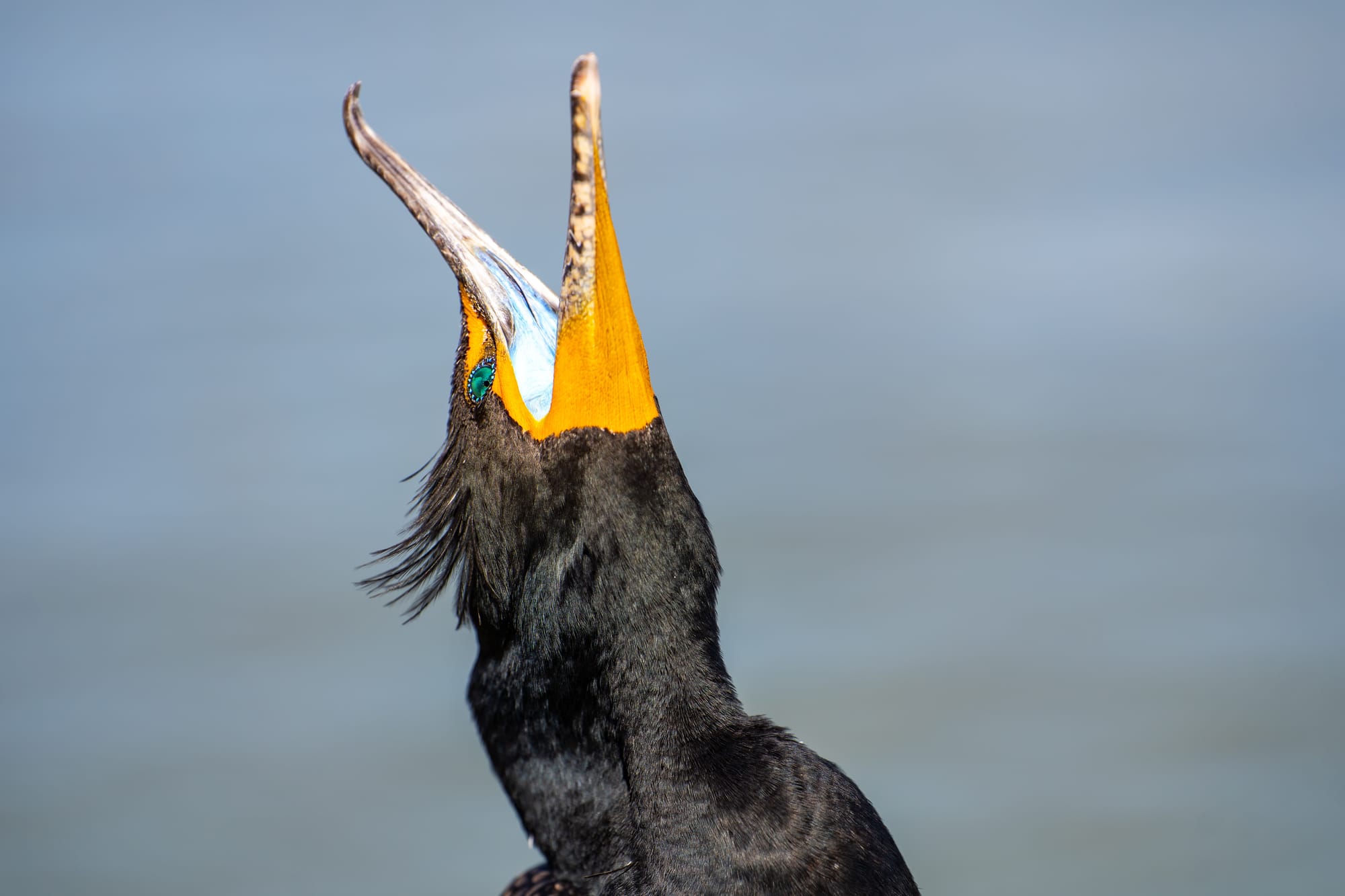
- The cormorant is native wildlife.
- Give the bird priority.
- The federal government protects migratory birds.
- Give the federal rule priority.
- The state manages the fish.
- Give Tennessee priority.
- The scientists measure population effects.
- Give the model priority.
No.
Each instrument can be right about something.
That does not grant it the whole field.
Modal Path Ethics already learned this with the creek.
- A county boundary can legitimately divide public authority.
- Water still moves right across it.
Now we have the inverse.
- A federal migratory-bird regime can legitimately integrate management across state boundaries.
- Local ecological differences still survive underneath it.
The correct scale depends on the question.
- Bird population conservation may require the flyway.
- Fishery effects may require the reservoir.
- Aquaculture loss may require the facility.
- Habitat damage may require the nesting site.
- Public access may require state rules.
- Non-target effects may require another ecological layer entirely.
One scale cannot become the mouth of all the others.
Existing Law Already Knows This Bird Is Complicated.
The current federal system already allows management.
Under the special double-crested cormorant permit, state and Tribal wildlife agencies can receive authorization for take associated with specific conflicts, including depredation of wild or publicly stocked fish managed by the agency.
The Service requires nonlethal measures to be considered and found insufficient before lethal control under that permit, and take is bounded by authorization limits and population status.
So the question before Congress is not:
Should anybody ever be allowed to manage cormorants?
That question has already left the station.

The proposed legislation changes the architecture of management.
It pushes toward standing regional frameworks, clearer authorized actors, population monitoring, location-specific conflict requirements, public reporting, and a more explicit route by which states and Tribes can act within a federal migratory-bird system.
That is where Modal Path Ethics should look.
At the transition.
At the path.
At what becomes easier to do.
And at what remains capable of telling the management system that it is wrong.
The Instrument Must Be Able to Lose.
This is where the current work finally lands in the lake.
Suppose cormorants are genuinely degrading one Tennessee fishery.
A management instrument should be able to encounter that evidence and act.
Suppose the predicted fishery benefit does not appear after intervention.
The instrument should be able to encounter that evidence too.
Suppose take begins affecting another protected bird.
Suppose the cormorant population changes.
Suppose habitat restoration solves the original conflict.
Suppose stocking practice turns out to be concentrating prey in a way that creates the conflict.
Suppose the fish population remains poor after cormorant pressure falls because the primary problem was water quality.
Suppose a management technique that worked on one reservoir fails on another.
Then the authority has to move.
Otherwise:
- management success justifies management,
and
- management failure proves we need more management.
That is an instrument learning how to win every result.
The Senate architecture at least contains visible routes by which evidence can push back.
- Annual take reporting.
- Non-target monitoring.
- Population surveys.
- Framework revision.
- A biologically sustainable ceiling.
- Documented local conflict.
- Nonlethal measures.
- And, wonderfully, a sunset.

The act would cease to have force on January 1, 2034.
The bird bill can die.
Every powerful instrument should occasionally have to confront this possibility.
Five Years Is a Long Time to Be a Fish.
There is still a timing problem.
The bill calls for population surveys and framework updates every five years.
That may be entirely reasonable for broad cormorant population management. It tells us almost nothing about the proper correction interval for a particular local intervention.
A reservoir can change faster.
A stocking program can change faster.
A nesting site can change faster.
A management error can certainly change faster.
This is the same problem we keep finding everywhere else.
A correction path can exist in law and arrive after the relevant future has closed.
So:
How fast can contrary evidence change the intervention?
Belongs beside:
Is there review?
- A five-year population survey is useful.
- A five-year wait for correction of a bad local assumption would be something else entirely.
The clocks do not have to match.
Regional conservation can operate on one time horizon while site-level management remains continuously answerable to local evidence.
- The flyway needs memory.
- The reservoir needs reflexes.
The Bird Is Not the Only Thing Eating Fish.
This case can still go very badly wrong through accounting.
Imagine the fishery as:
- fish produced
- minus
- fish eaten by cormorants.
- minus
We have solved ecology.
Unfortunately, other things exist.
Anglers remove fish.

Other predators eat fish.
Water temperature changes.

Habitat changes.

Spawning conditions change.
Stocking changes.

Disease happens.
Water quality changes.

Prey populations move.
Fishing pressure changes.
Reservoir operations change.

The U.S. Fish and Wildlife Service explicitly warns that cormorants are only one factor among several affecting fish populations and that open-water impacts vary by place.
The account therefore needs the same warning as the $1.2 Billion article:
The boundary of the account is not the boundary of the field.
That article began with a pile of unexpected money and briefly proposed spending all of it on abandoned boats.

This was excellent fiscal policy for eleven seconds.
Then arithmetic intervened.

Cormorant management deserves the same embarrassment.
- If the birds explain the local contraction,
- act on the birds.
- If habitat explains it,
- repair habitat.
- If stocking practice explains it,
- change stocking.
- If several pressures interact,
- ecology has remained ecology.

Do not make the cormorant carry every fish that fails to appear on somebody's hook.
The Fifth Fish Was Never About The Fish.
That should be obvious by now.
- The Fifth Fish was about a shared field whose continuation depends on bounded use.
- The Negative Boat was about responsibility trying to disappear after private value ended.
- The creek was about divided institutions encountering one integrated consequence.
Now the cormorant puts all three on the same water.

- The fishery is a common pool.
- The bird crosses institutional boundaries.
- The consequences of management remain after the permit, shooter, agency, legislator, or angler has gone home.
The old common-pool question was:
Who stops?
Now we need another question:
Who decides who must stop, and what can make that decision stop too?

That is the whole case.
The Ruling.
The cormorant is not a criminal angler.

It is not an ecological blank check either.
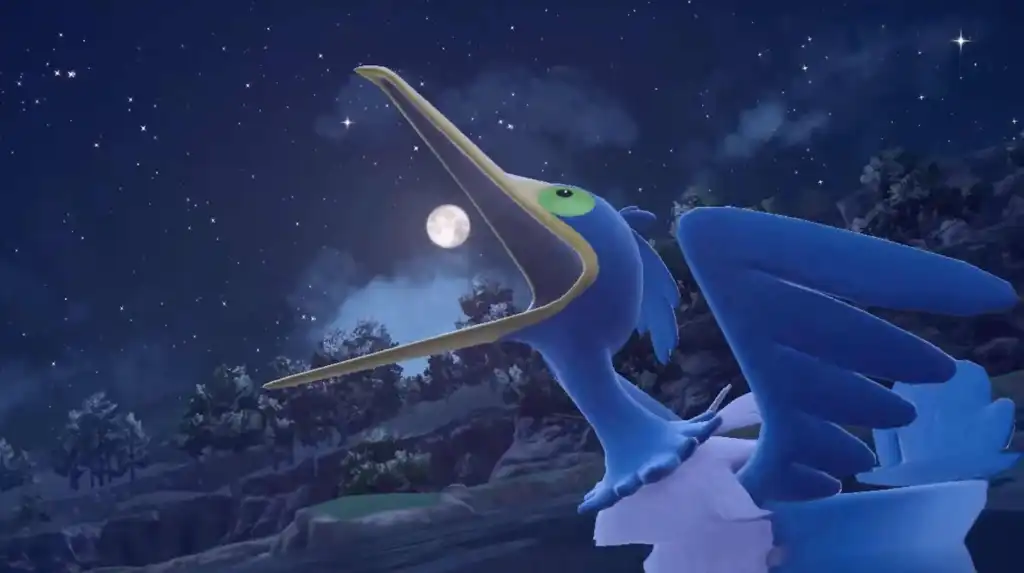
The fishery is real.
The bird is real.
The anglers are real.
The stocking program is real.
The vegetation is real.
The other birds are real.
The agencies are real.
The jurisdictional lines are real.

And the water beneath all of them remains aggressively uninterested in choosing one of these things to become reality's official representative.
The Fifth Fish taught us that every lawful catch depends on somebody stopping.

The cormorant has now supplied the harder version.
Sometimes the thing taking from the commons cannot be asked to stop.
So the institution must decide whether to intervene.
That decision can kill.
It can protect.
It can repair one field while damaging another.

It can be right.
It can be wrong.

Which means the most important feature of the instrument is not that it can act.
It is that evidence can still make it act differently later.
The county ends. The creek keeps going.
The state ends. The bird keeps flying.
Congress can draw the framework.
The fish can remain underwater.
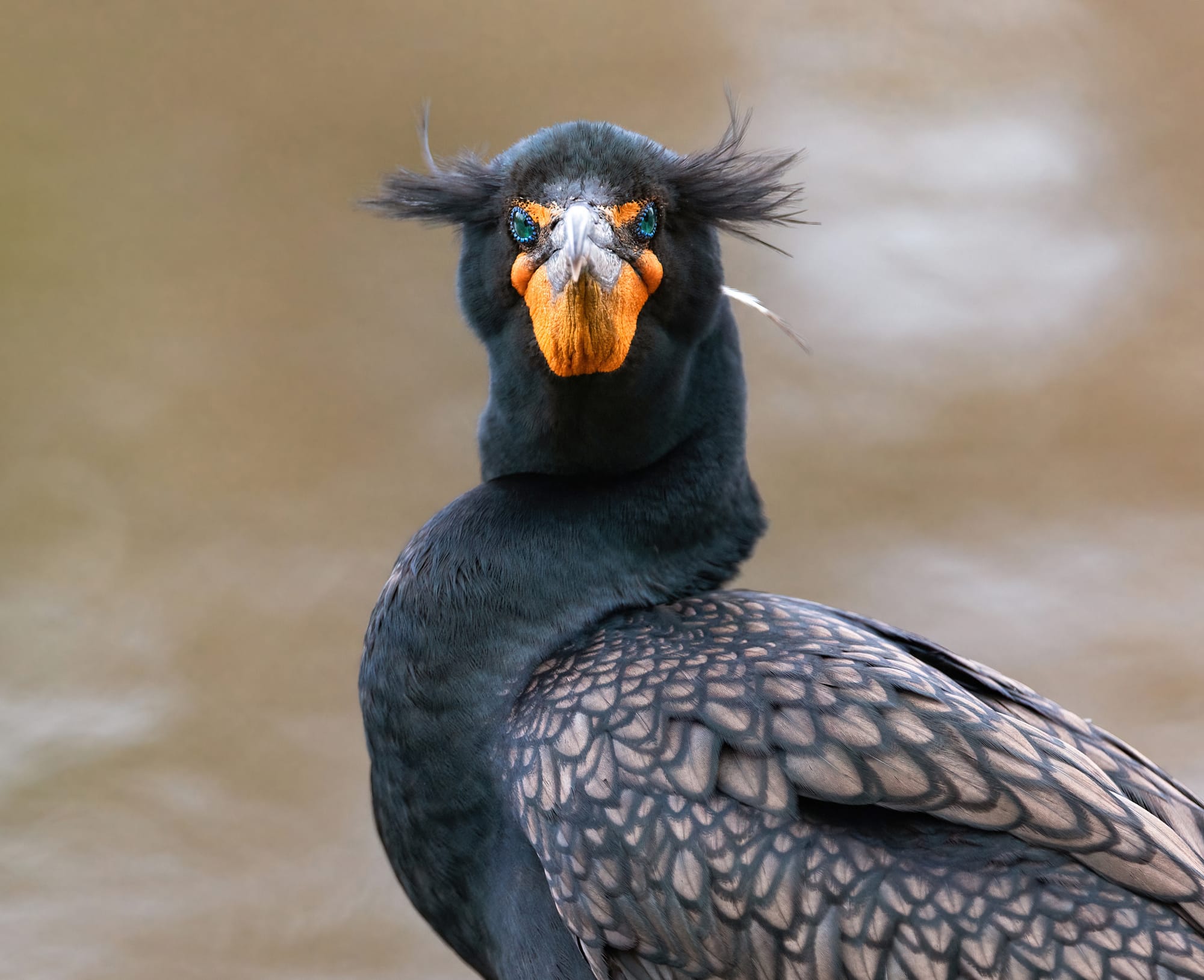
And somewhere above the Tennessee River, a double-crested cormorant remains completely unaware that it has become a problem of constitutional design.
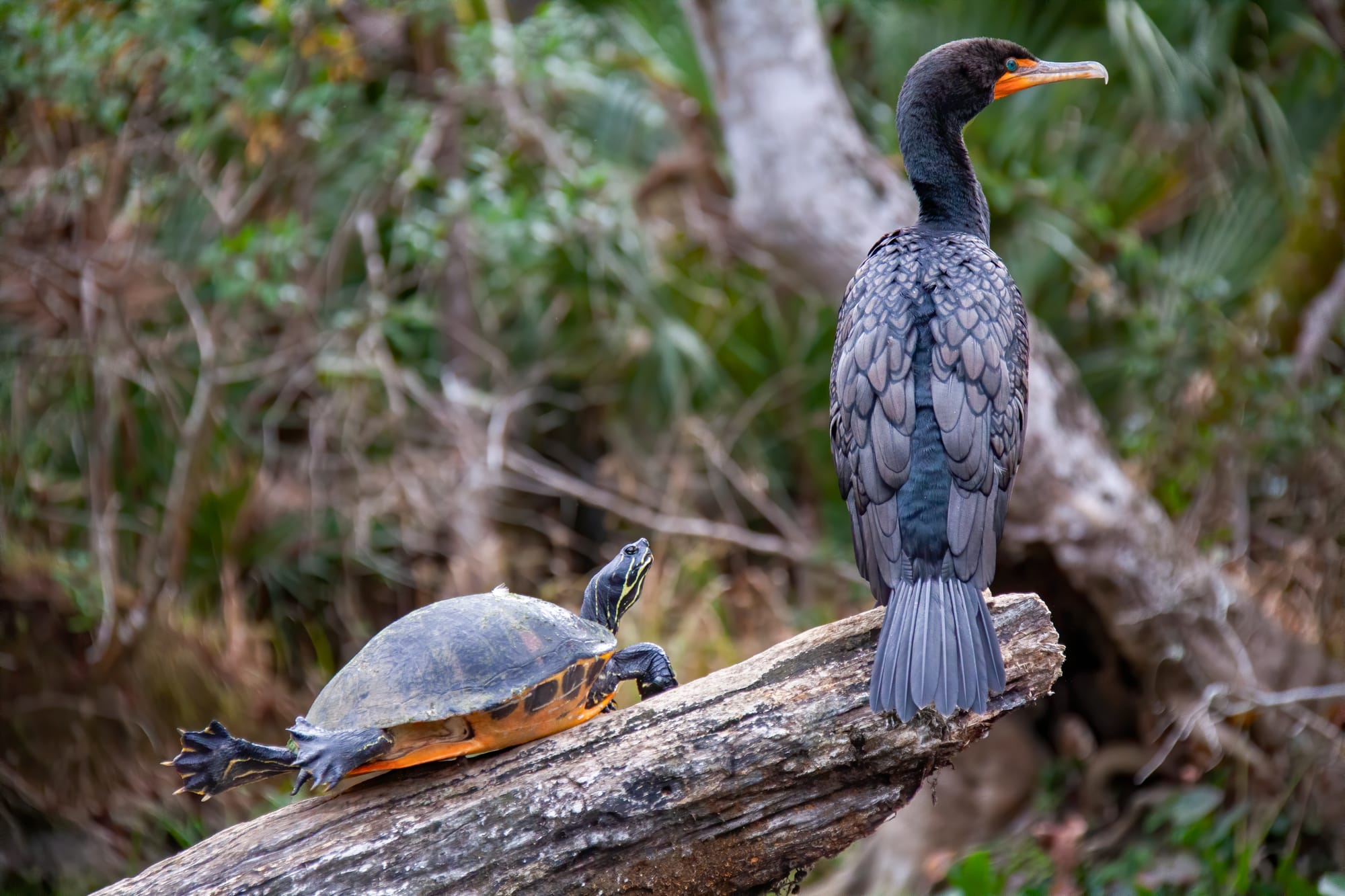
Good.
The bird does not need to understand the institution.
The institution needs to understand the bird.
Sources.
NewsChannel 9, “Cormorants increasing on Tennessee River as Congress considers new management rules,” October 5, 2026. (WTVC)
Tennessee Wildlife Resources Agency, “Double-crested Cormorant.” (Tennessee State Government)
U.S. Fish and Wildlife Service, current double-crested cormorant management and permit materials. (U.S. Fish and Wildlife Service)
S. 5514, Responsible Cormorant Management and Control Act of 2026. (GovInfo)
H.R. 8195, Responsible Cormorant Management and Control Act of 2026, current House action through September 15, 2026. (Congress.gov)