Chirality: The Úath Board
September 2026 note: Úath remains a strong demonstration that unchanged rules can produce a substantially different practical field when topology changes reachability. Legal movement, durable position, mobility, central access, infrastructure conversion, and future usefulness come apart; a piece can remain on the board while its practical continuation has collapsed.
Chirality, the Chiral Strategy Game now has authored boards.
The web demo has eight new variants: Beith, Luis, Fearn, Sail, Nion, Úath, Dair, and Tinne.
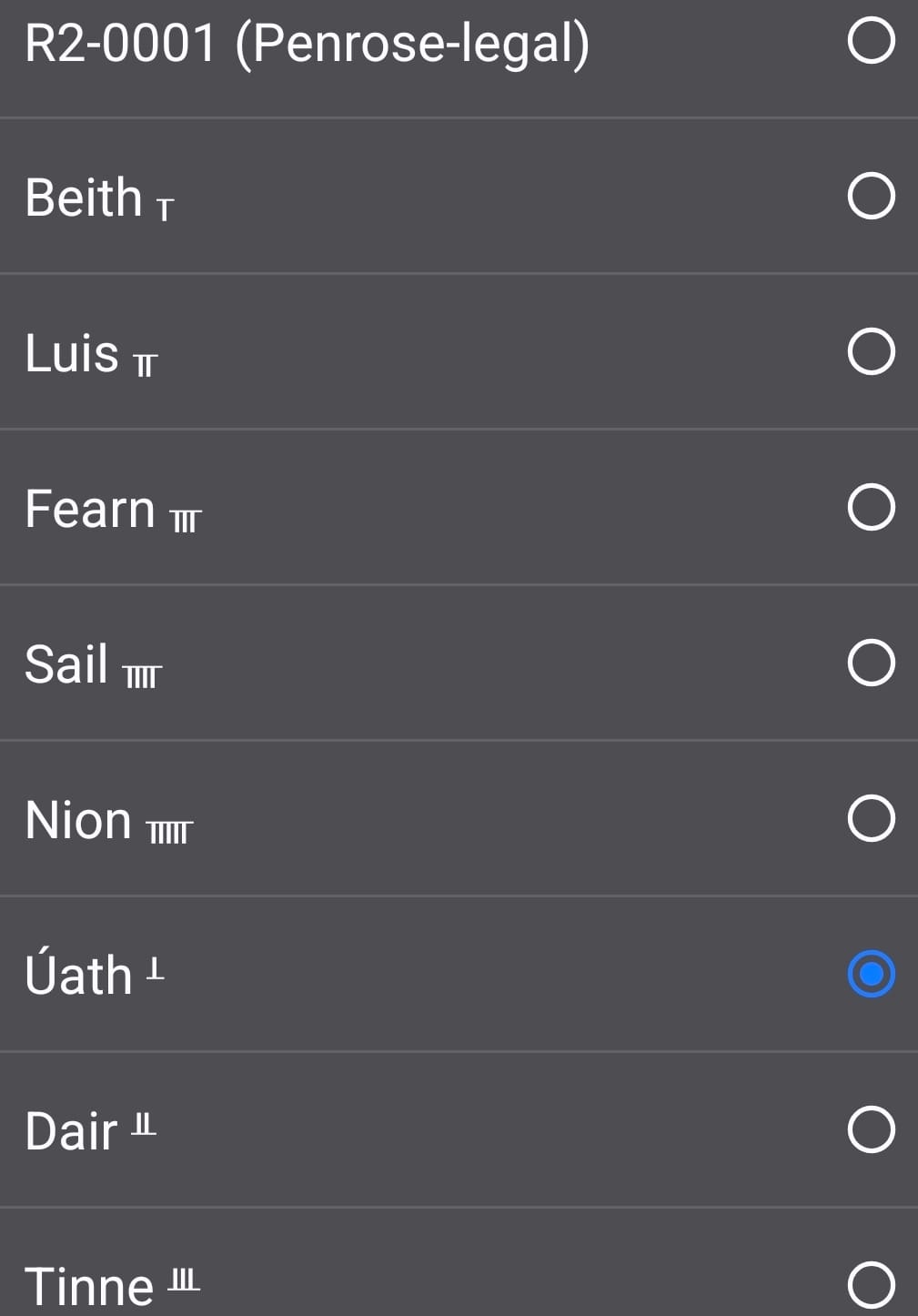
The default board remains the baseline Penrose-legal teaching board. It is symmetric, generous, and clean. Every space is playable. Every player begins with the same structural relationship to the center. The default board is where Chirality explains its rules before those rules begin causing problems.
Úath is where the board starts causing problems.
That is the point here.
The new boards are not cosmetic skins. They are rule-preserving alternate fields. The pieces still move by the same logic. Gates still matter. The Throne still sits at the center. Garrisons still create durable infrastructure. Thin and Thick still define movement, capture, and vulnerability. But Úath demonstrates something important:
A game does not need new rules to become a different game. Sometimes it only needs a different field.
Úath changes what the existing rules mean.
The default board teaches Chirality as a rule system. Úath teaches Chirality as terrain. Its geometry introduces local asymmetries, unequal paths, directional traps, one privileged inner checkpoint, and a central garrison that can only be completed by permanently immobilizing two of your own pieces.
So yes, good news: the board has a personality.
Bad news: that personality was procedurally assigned the name “Fear.”
Same Rules, Worse Consequences.
The default Chirality board is forgiving by design. It gives players enough room to learn the relationship between Thin and Thick, Gates and Garrisons, center and perimeter, movement and capture. It lets the game’s logic appear without making the board itself too hostile.
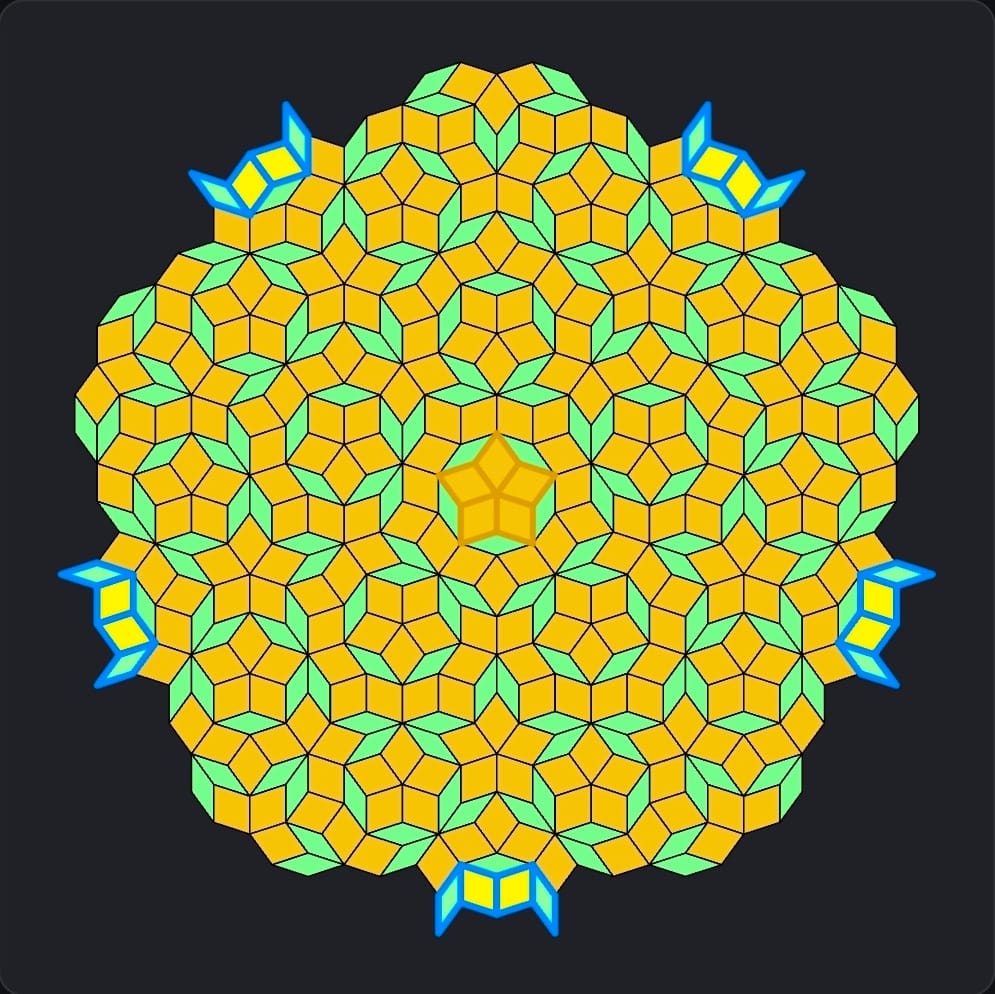
Úath does something else. Úath asks what happens when the same rules are placed inside a less forgiving topology.
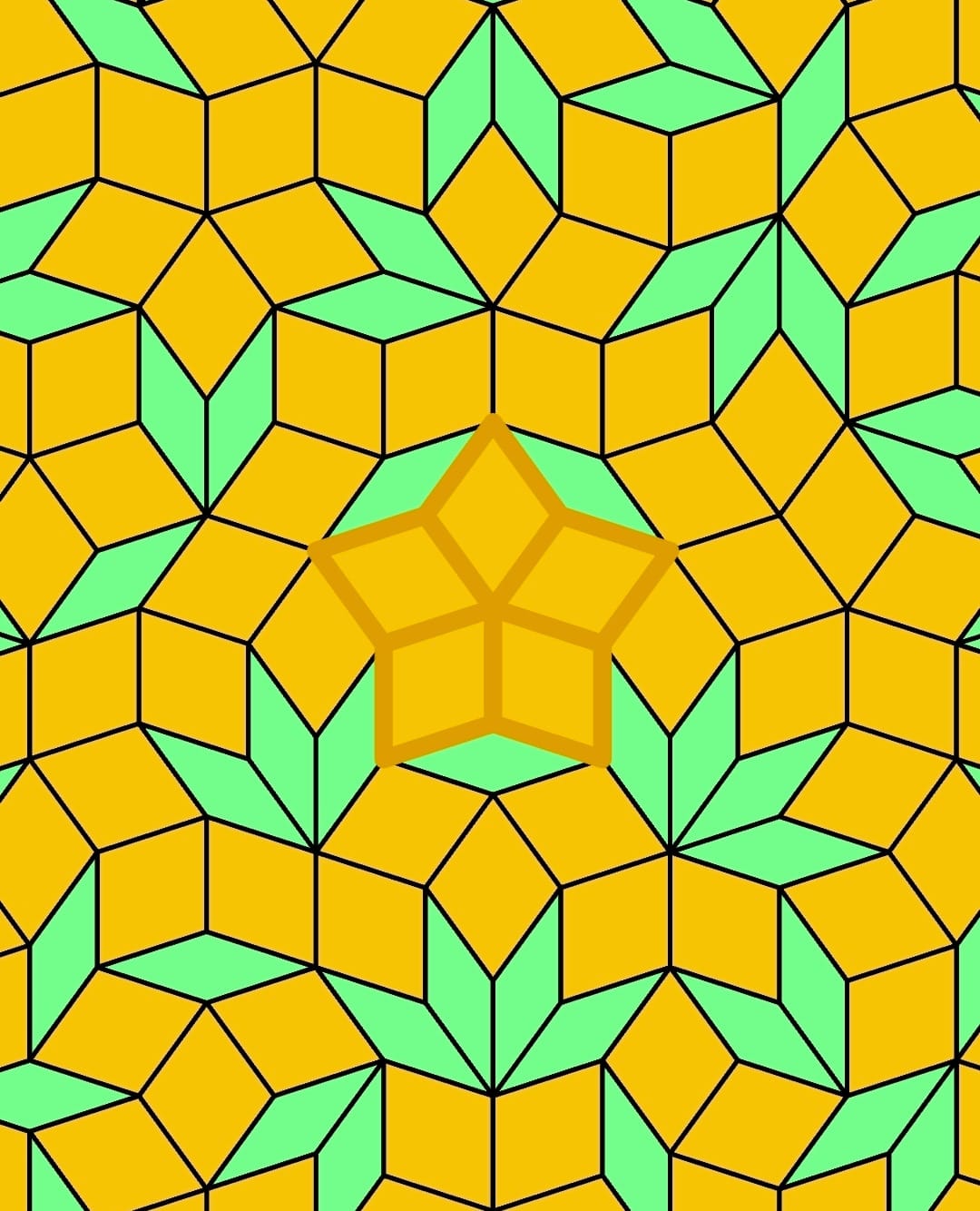
On the default board, tile type mostly describes the immediate state of a piece. Thin is mobile and vulnerable. Thick is durable and slower. A player can think spatially: I am here, I can move there, that piece attacks this piece, this group can become a Garrison.
On Úath, that is not enough. The board has to be read as a transition graph. A tile’s value is not its color, its distance from the center, or its apparent strength. A tile’s value is the future it leaves open.
The question is no longer only:
- Where can this piece move?
The question becomes:
- What can this piece still become after it moves there?
Úath separates position from possibility. A space can look central and still be bad. A piece can be hard to kill and ruined. A move can be legal and still end this piece’s useful life.
Legal movement is not the same thing as progress.
Úath.
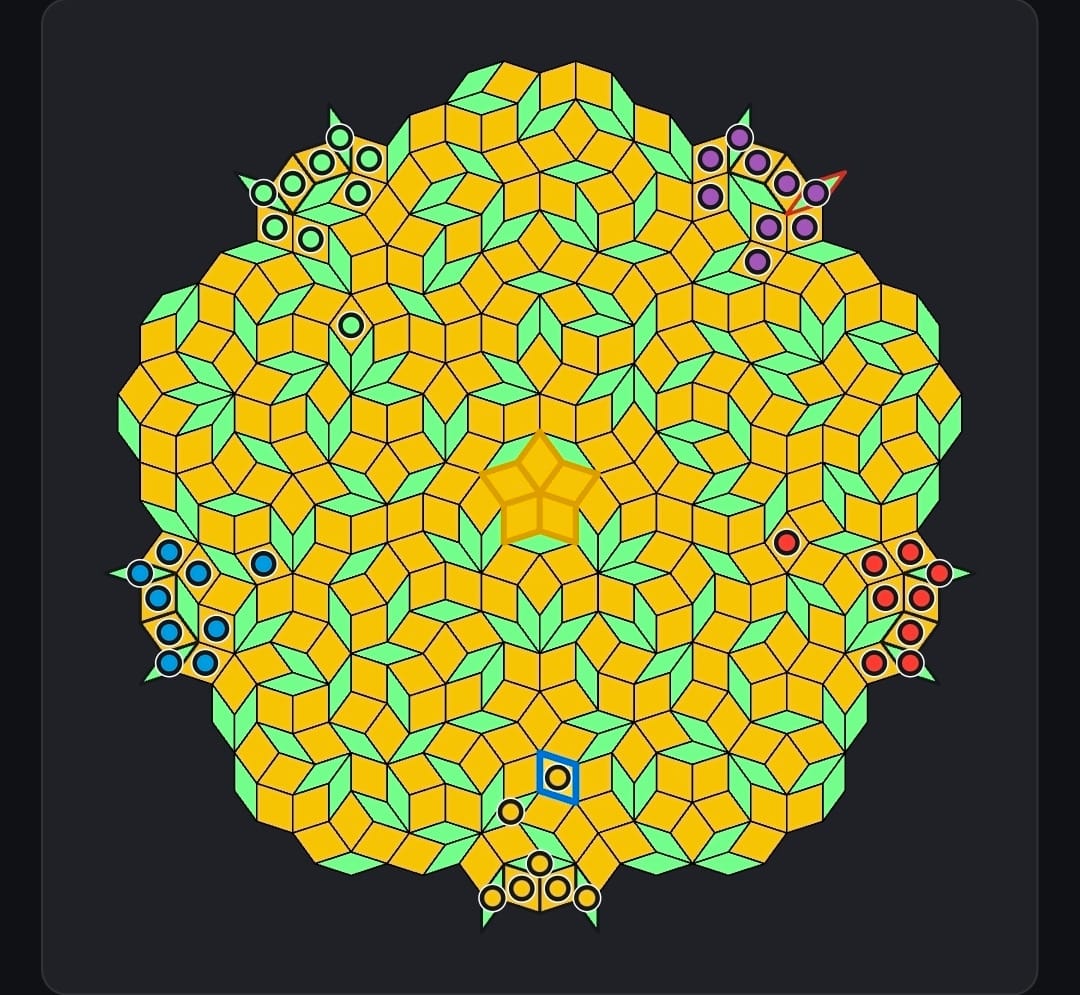
Úath is a five-gate board with a dense, ornamental, Penrose-derived structure.
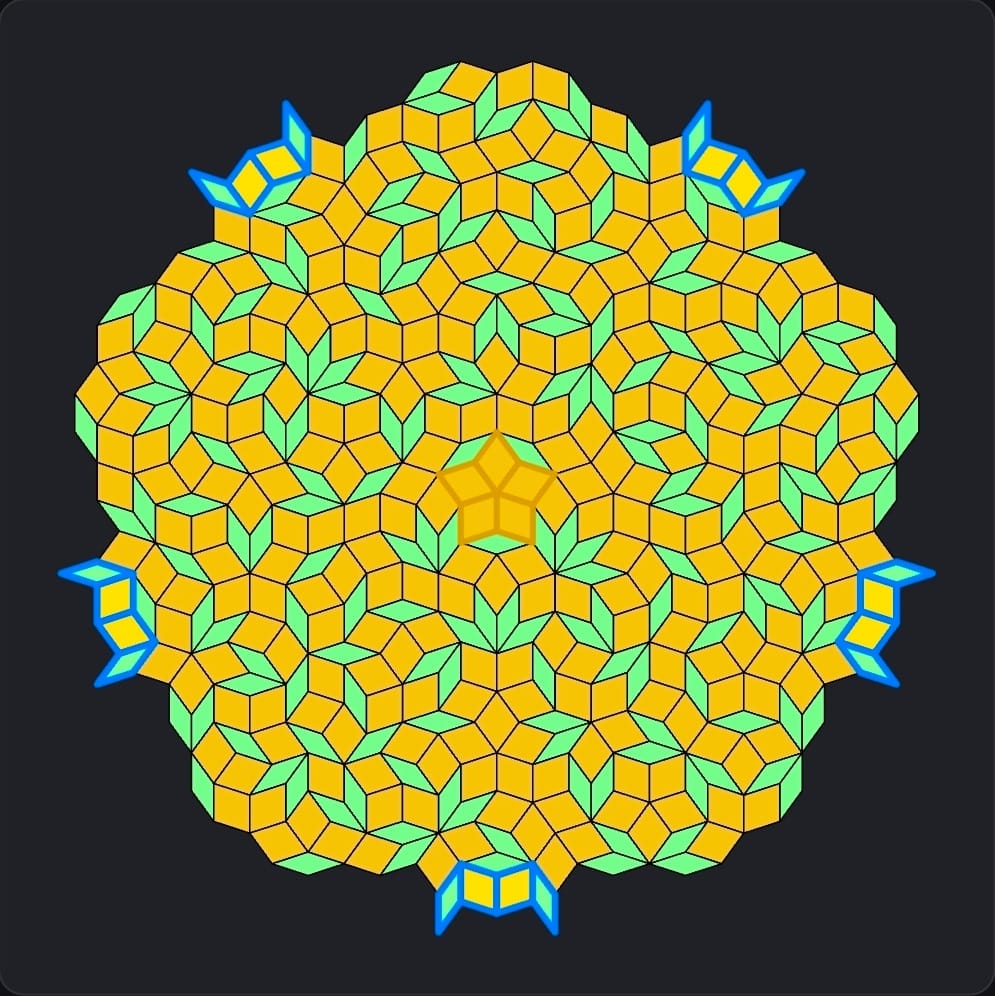
The board has five gates around the perimeter. Each gate has its own path toward the center, and those paths are not equivalent. Some are faster. Some are safer. Some have better lateral access. Some offer more direct pressure on the Throne. Some contain attractive-looking moves that are, mechanically speaking, holes with excellent graphic design.
The board also contains only one inner garrison candidate near the Throne. That single fact changes almost everything.
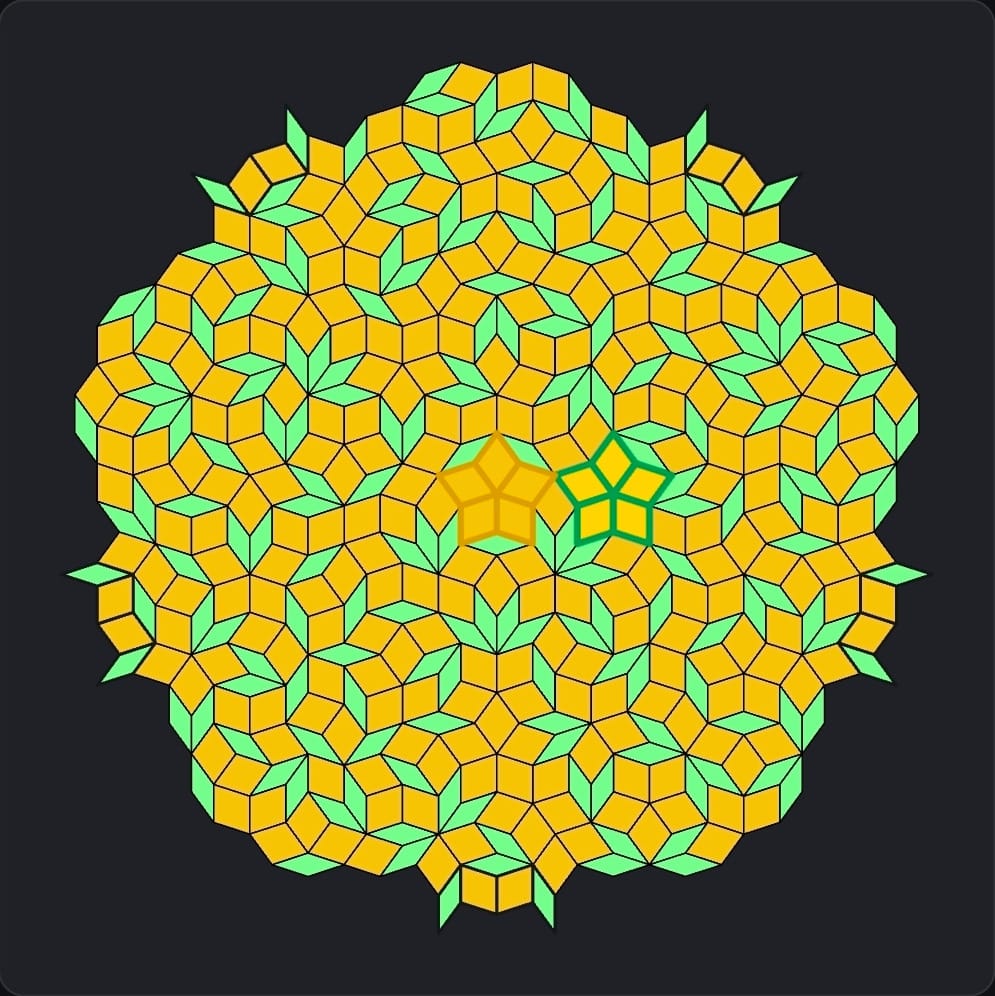
On a more regular board, multiple players can imagine turning central progress into local infrastructure. On Úath, central infrastructure is scarce. Every player can move toward the center, but not every player can turn that progress into a checkpoint. The center is not neutral. The only inner garrison sits to one side of the Throne, and that placement creates a political economy before the players have even begun negotiating.
Úath has five major features that define its identity:
- It has unequal gate routes.
- It has Thick spaces that behave as trap sinks.
- It makes Thin mobility more valuable than usual.
- It has only one inner garrison.
- And that inner garrison contains a trap sink of its own.
This one is a flower with teeth.
Tile Value.
On the default board, a player may instinctively value Thick spaces. Thick pieces are harder to capture. They can anchor positions. They form Garrisons. They feel safer.
Úath punishes that shallow reading. On Úath, Thick is commitment.
A Thick piece may be durable, but durability is not the same as agency. A piece that survives without any meaningful future movement has not exactly succeeded. It has become furniture.
That changes the value of Thin. Thin is fragile, but Thin always preserves optionality. Thin pieces can enter more relationships. They can explore more of the board. They can cross through dangerous geometry without immediately converting themselves into dead capital.
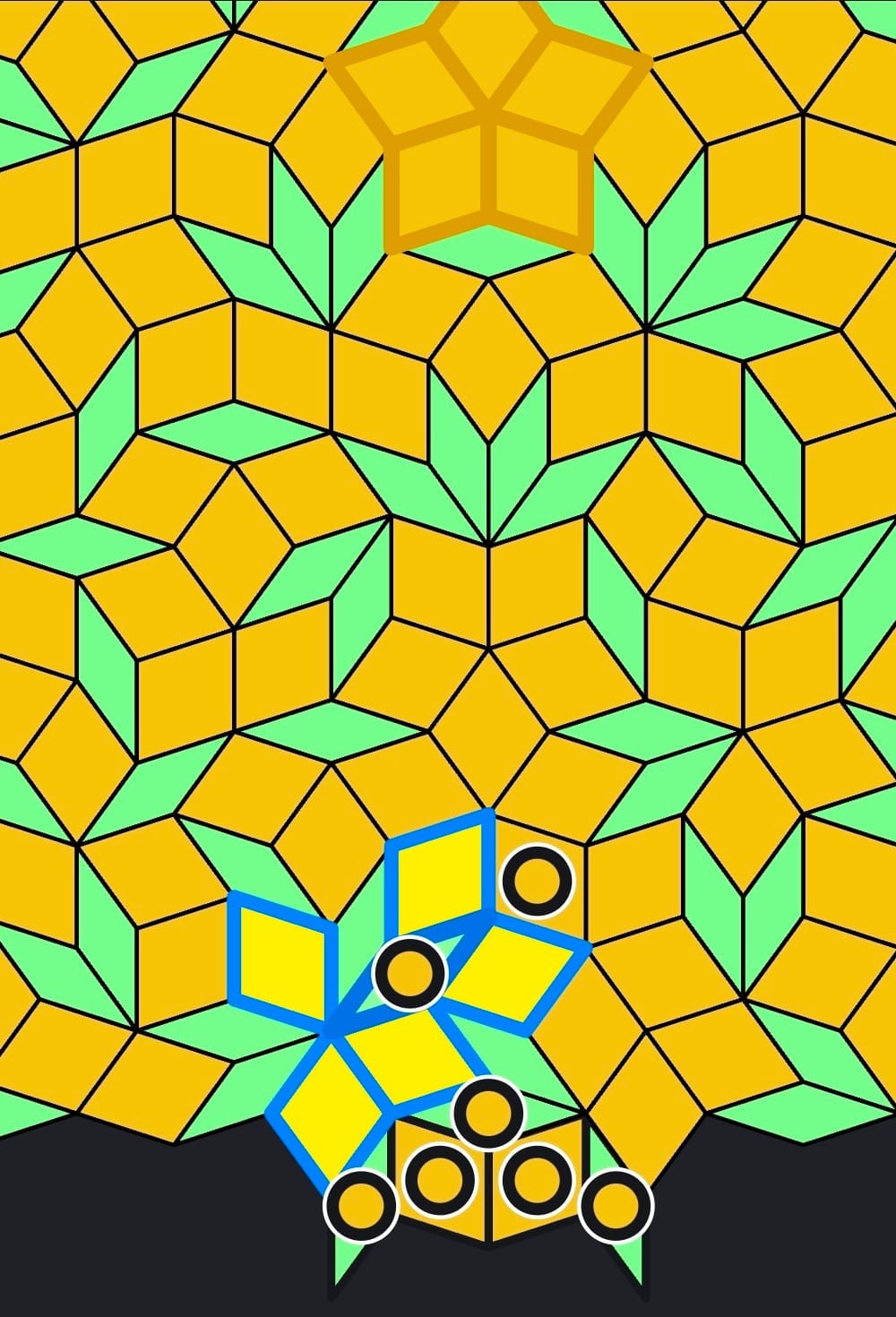
Úath separates durability from agency.
In many games, a stronger piece is better because strength and usefulness usually travel together. Úath breaks that assumption. A Thick piece may be hard to kill, but if it cannot leave, the board has already captured it. The opponent does not need to destroy this piece. The player has helpfully done most of the work.
Thick is still powerful. Thick can block. Thick can anchor. Thick can complete Garrisons. Thick can make local capture difficult. But Úath forces the player to ask whether a Thick move is a deployment or a burial.
Strength without exit is storage.
The Trap Sink.
Úath’s signature feature is the trap sink.
A trap sink is a space whose entry is legal but whose exit is structurally unavailable once the piece occupies it in the wrong state. The piece is still on the board. It may still block, threaten, or contribute to a structure. But as a mobile agent, its future is gone.
The important part is that Úath creates traps without adding a trap rule to the game.
A weak trap says, “This tile is a trap because the rules declared it to be a trap.” Úath does something cleaner and meaner. It just allows the ordinary movement rules to generate trap behavior from board geometry.
The player is not punished by an exception. The player is punished for failing to read the field right.
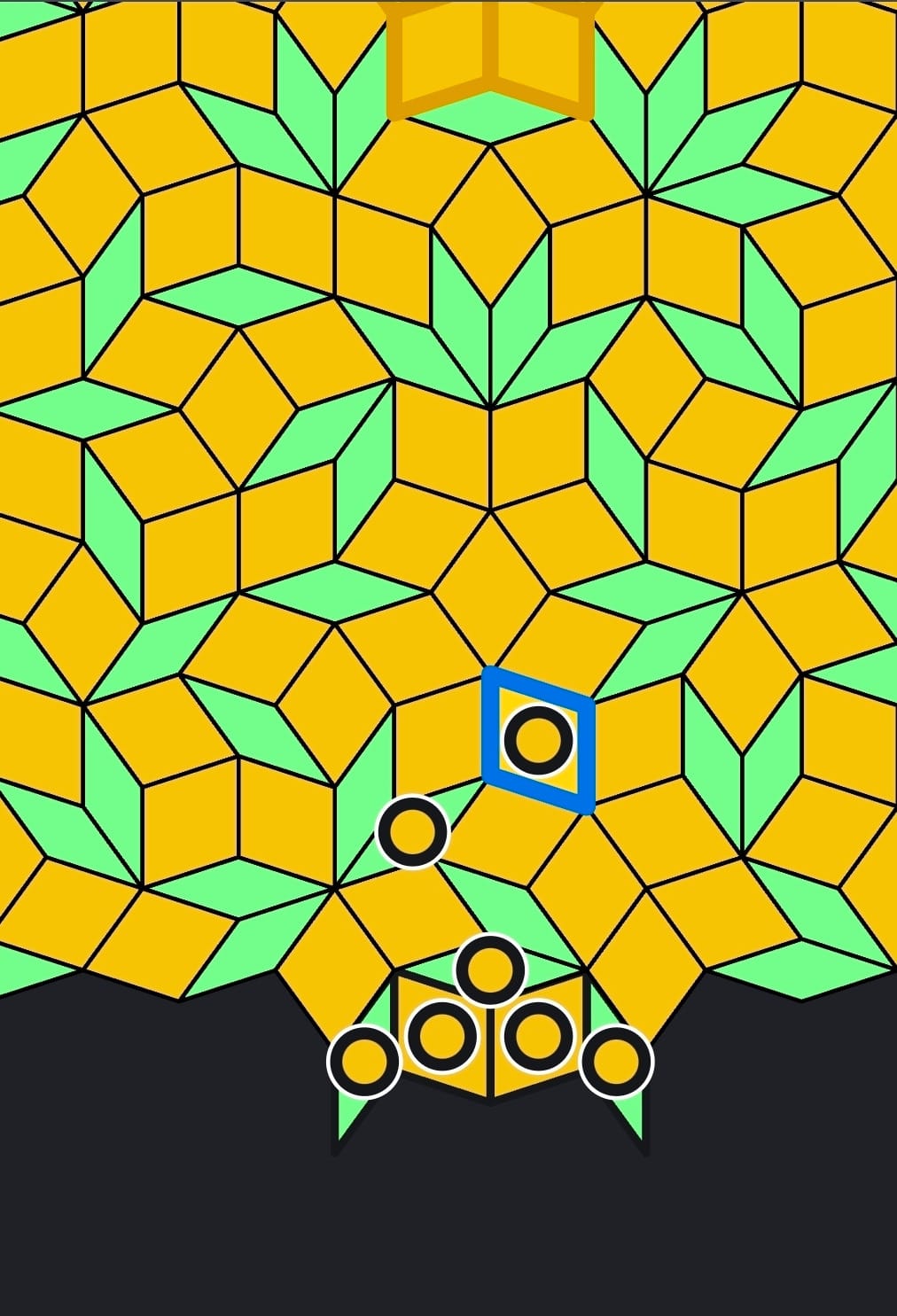
The clearest example appears near the southern gate. The bottom player’s natural instinct is to move upward. The center is above. The Throne is above. The board seems to offer a direct path into relevance.
That path is lying.
The southern approach contains Thick positions that look like progress and behave like drains. A player who advances too eagerly can place a piece into a space that cannot be exited once entered. The piece is not dead, but it has stopped being a piece in the usual sense. It is now a plug, bunker, hostage, monument, or bait object depending on what the rest of the game does with it.
The South gate is the tutorial. The beginner sees centerward movement. The board sees a disposal chute. Forward movement and progress have quietly divorced.
Trapped Pieces.
A trapped piece is not always useless.
- A trapped Thick piece can become a plug. It blocks a lane and changes the local flow of traffic. That may be exactly what the player wants if the surrounding position is stable.
- It can become a bunker. It cannot leave, but it may still exert local pressure. A trapped piece in the right place can make movement around it expensive.
- It can become a hostage. The owner may feel obligated to defend it, even though it no longer has enough agency to justify the rescue effort.
- It can become a bait object. Because Thick requires more effort to capture, the opponent may overcommit to remove it. A clever player can sometimes use the trapped piece as a lure.
- And, most often, it becomes a monument. A monument is a piece that proves someone once had a plan.
A trap sink is not automatically a bad tile. It is a tile whose value depends on timing, context, and honesty. The board asks whether the player knows why they are entering. If they do, the trap may become structure. If they do not, the trap becomes a receipt for failure.
The Single Inner Garrison
The local trap sinks would already make Úath distinctive, but the board has a larger structural asymmetry: it only has one inner garrison near the Throne.
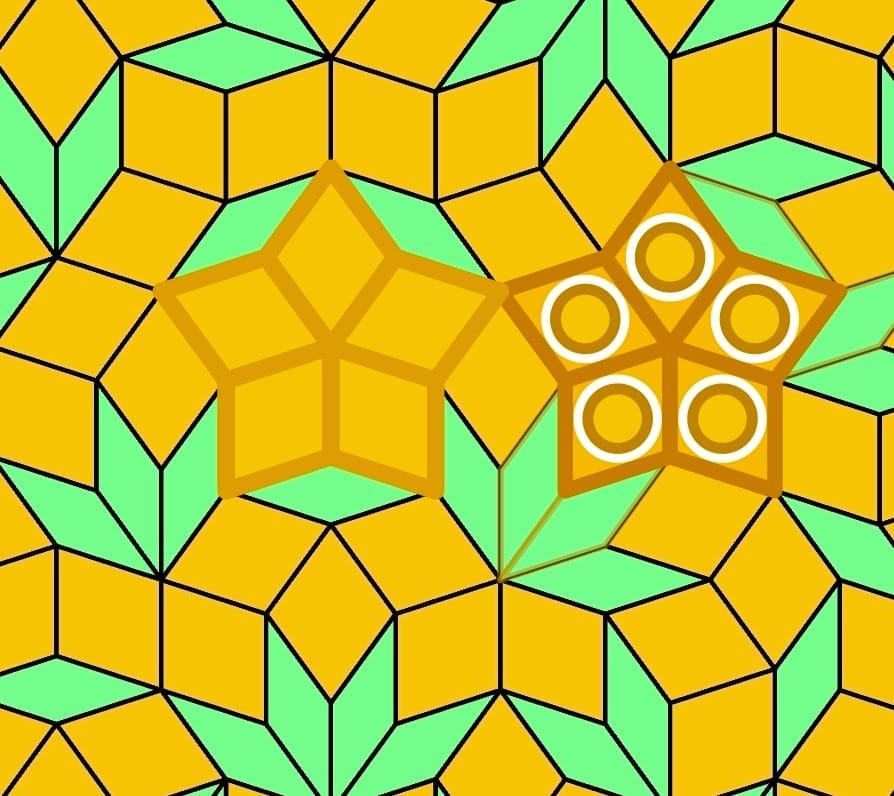
This changes the strategic economy of the entire map.
On a board with multiple inner Garrisons, players can develop different central plans. A player may lose one route and still claim another. Infrastructure is distributed. The board supports multiple local conversions from movement into structure.
Úath refuses that generosity. There is one inner garrison. One major central checkpoint. One privileged piece of infrastructure short of the game-ending Throne itself.
That means central progress is not equally cashable. Every gate may have a path inward, but only some paths convert cleanly into lasting structure. A player can reach the central band and still fail to own anything. A player can be visibly near the Throne while another player is quietly positioning to build the only checkpoint that matters.
This is the board’s second major lesson:
- Access to the center is not the same thing as ownership of the center.
The single inner garrison turns the middle of the board into a political economy. This is not just a strong location. This is the location that decides whether central progress becomes infrastructure.
This makes denial extremely important. A player does not need to complete the inner garrison to control its value. Occupying one required tile, threatening one approach, or forcing a premature commitment may be enough to ruin the builder’s plan.
Úath therefore creates three major strategic roles around the inner garrison:
- The builder, who wants to found it.
- The denier, who wants to make founding it too expensive.
- The opportunist, who wants the builder and denier to exhaust each other while something more profitable becomes available elsewhere.
The rules did not change. The board shape assigned everyone a job.
The Sacrificial Checkpoint.
Then Úath adds the real insult: the only inner garrison also contains a trap sink. Actually, it has two.
To complete the central checkpoint and gain access to Remote Mustering, two pieces must occupy tiles they can never leave.
This means the inner garrison is not free infrastructure. It must be founded through permanent immobilization. Two pieces have to stop being a mobile agents and become part of the building structure.
This is where Úath becomes conceptually sharp.
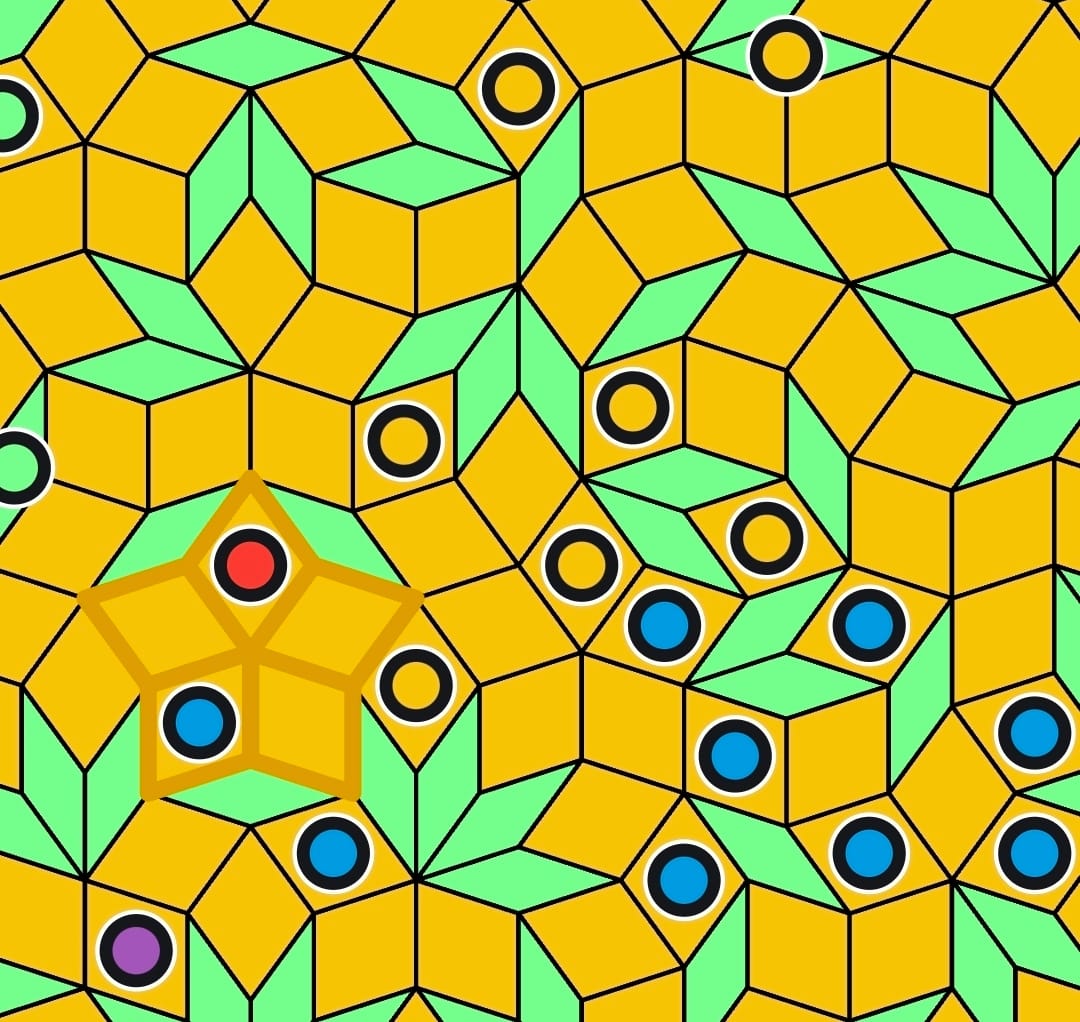
A Garrison is already a conversion of pieces into structure. Úath literalizes that cost. The checkpoint is strong because it creates a durable central position, but completing it requires the player to decisively spend a future. The trapped piece remains present, but its agency has been consumed by the institution it helps create.
A completed inner garrison may anchor a winning position. It may provide central stability, staging power, and long-term pressure around the Throne. But if it is completed too early, too weakly, or without enough surrounding support, it may just become a very expensive landmark.
A completed inner garrison is not automatically a fortress. Sometimes it is a premium way to tell the table where one of your pieces will be stuck doing nothing for the rest of the game.
That gives the checkpoint excellent tension. The player who can build it wants it. The board makes them pay for that appetite.
Úath’s central question is not:
- Can you reach the middle?
It is:
- How much future are you willing to spend to make the middle yours?
The Seats.
Úath has five gates, and the gates are not equivalent. They should not be discussed as simple best-to-worst positions. That flattens the board, which goes against the entire point. The more useful analysis is by role.
I will refer to the gates by clock position: Northeast, East, South, West, and Northwest.
Each gate has a different relationship to the center, the trap sinks, and the single inner garrison. This is where Úath becomes a political board rather than a neutral contest board.
Northeast: The Founder.
Northeast appears to have the cleanest relationship to the inner garrison zone. It is the seat most naturally positioned to turn central progress into infrastructure.
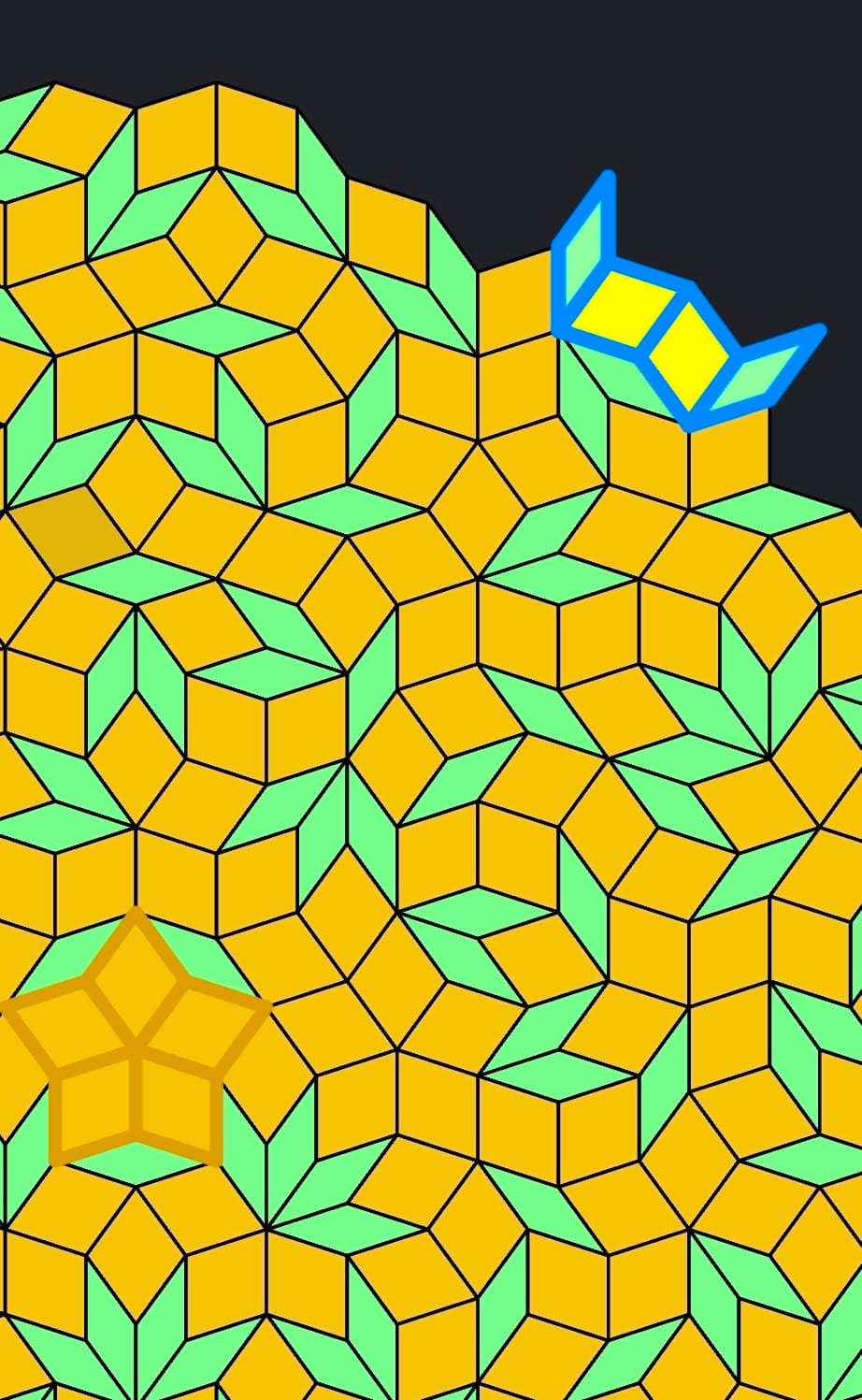
Northeast’s advantage is not just speed, it is board conversion. Other players can move inward, but Northeast has the most plausible route toward founding the one central checkpoint that Úath makes scarce.
This gives Northeast a clear opening ambition:
- Can I build the inner garrison before the table decides I am the problem?
The difficulty is that the privilege is clearly visible. Everyone can see what Northeast wants. Everyone can see where the checkpoint is. Everyone can see that if Northeast is left alone, it may convert early progress into central structure.
Northeast therefore pays the leader tax. Its route is strong, but obvious. Its plan is coherent, but readable.
Northeast has the clearest path to institution, which means Northeast also has the clearest path to becoming everyone else’s first problem to solve.
East: The Denier.
East is the collision seat.
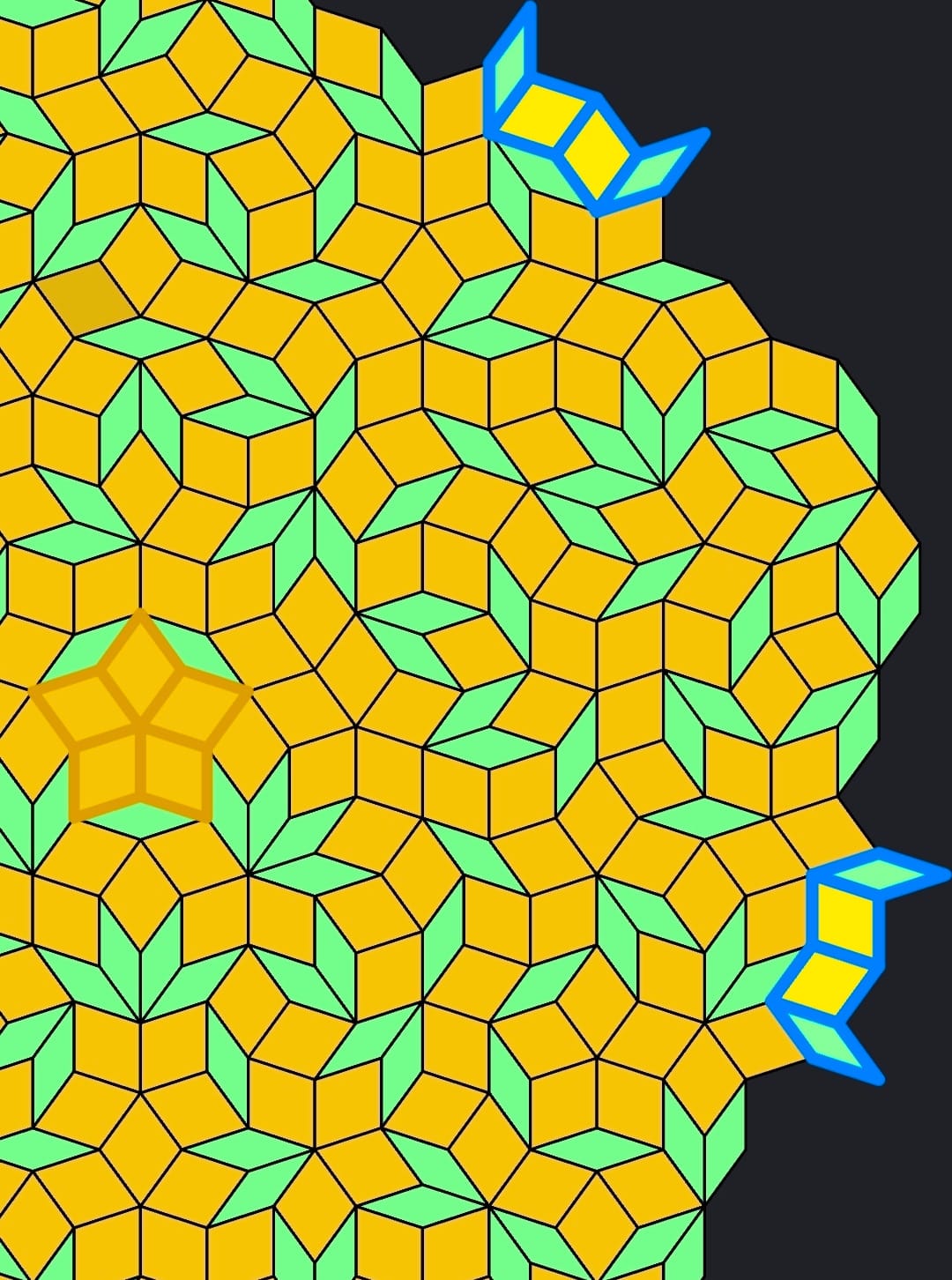
It may not have the cleanest founding route, but it has immediate contest access. East is close enough to interfere with the inner garrison zone before distant players can fully arrive.
That makes East strategically powerful even when it is not building. East can occupy key spaces, threaten approach lanes, interrupt completion, force premature trap commitments, or turn the entire central-right region into a knife drawer.
East’s question is not necessarily:
- Can I build the inner garrison?
East’s question is:
- Can I make building it hurt?
That is a different role, and a very important one. On Úath, denial is not secondary. Because the inner garrison is unique, denying the checkpoint may be as valuable as owning it. A player who prevents another from converting central progress into infrastructure has already changed the game.
East’s weakness is exposure. It can become involved early, which also means it can become exhausted early. The denier must be careful not to spend so much preventing someone else’s fortress that it becomes the table’s first casualty.
East does not need to build the inner garrison to control its value. East only needs to make building it expensive.
South: The Trap Classroom.
South is the seat where Úath teaches the rules by punishing the obvious.
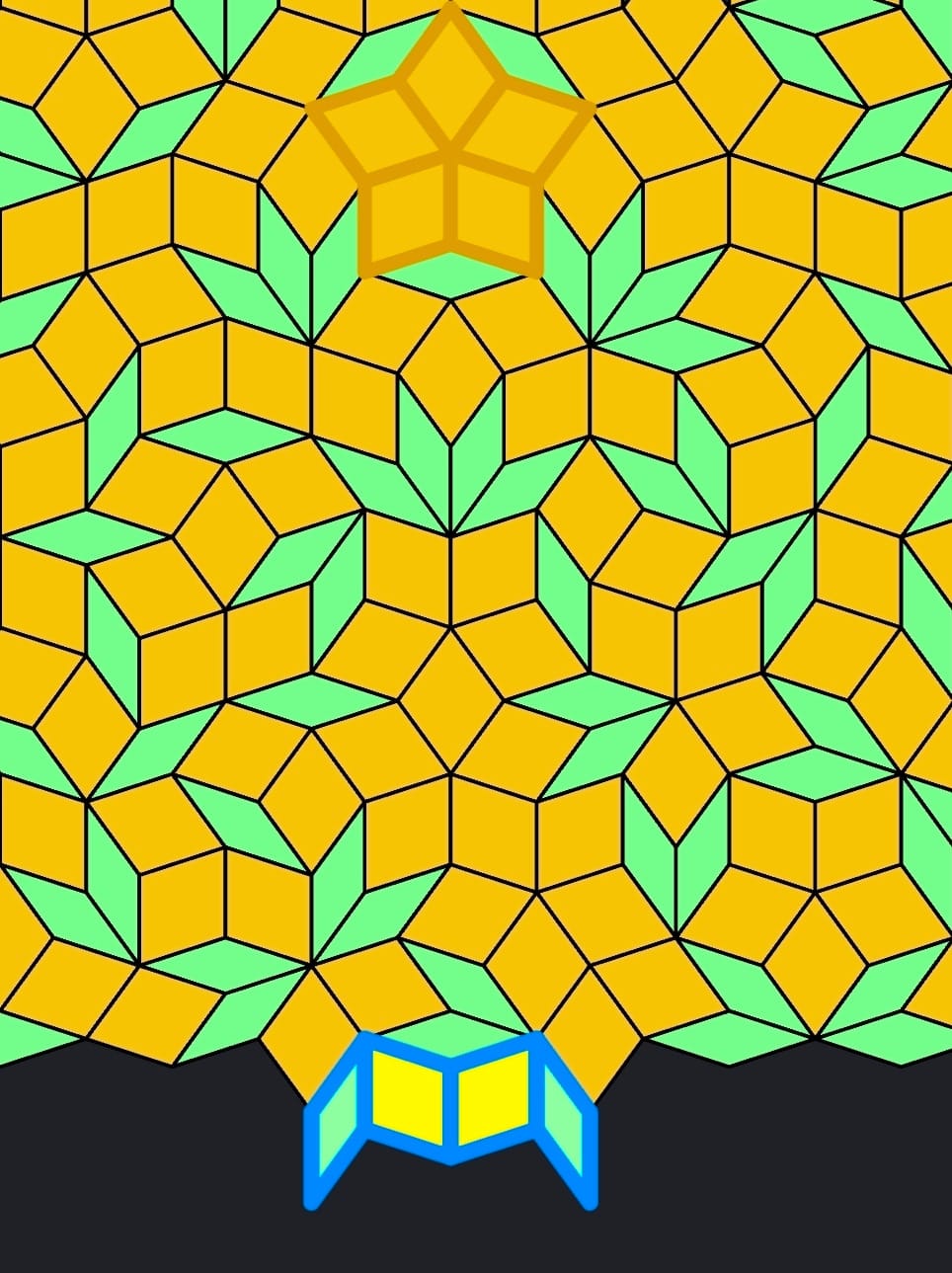
The southern gate appears to have a direct path upward. The center is visually inviting. The route seems legible. A new player at this seat may naturally push forward and assume that centerward movement means progress.
South is where that assumption goes to die.
The southern approach contains dangerous Thick commitments right away. A player who enters them casually may immobilize pieces before they have done enough work to justify the loss. The board tempts South with apparent forward motion while hiding the real cost in future mobility.
This does not make South hopeless. South has density. It has defensive mass. It may be able to survive, wait, and exploit the eastern fight over the inner garrison. In a multiplayer game, South may benefit from patience while Northeast and East burn resources over the central checkpoint.
But South must be played with discipline. South should not rush straight upward because the board seems to suggest it. South should preserve Thin mobility, develop laterally, and treat nearby Thick spaces as anchors or barricades rather than roads. The correct South game may be less heroic than the visible path implies. Which is rude, but educational.
South is not weak because it is far from the center. South is weakest when it believes the shortest visible route is a path. On Úath, the straight road is where mobility goes to die.
West: The Opportunist.
West is farther from the privileged garrison zone. That gives it a weaker direct claim on the inner checkpoint, but it also gives West something useful: timing.
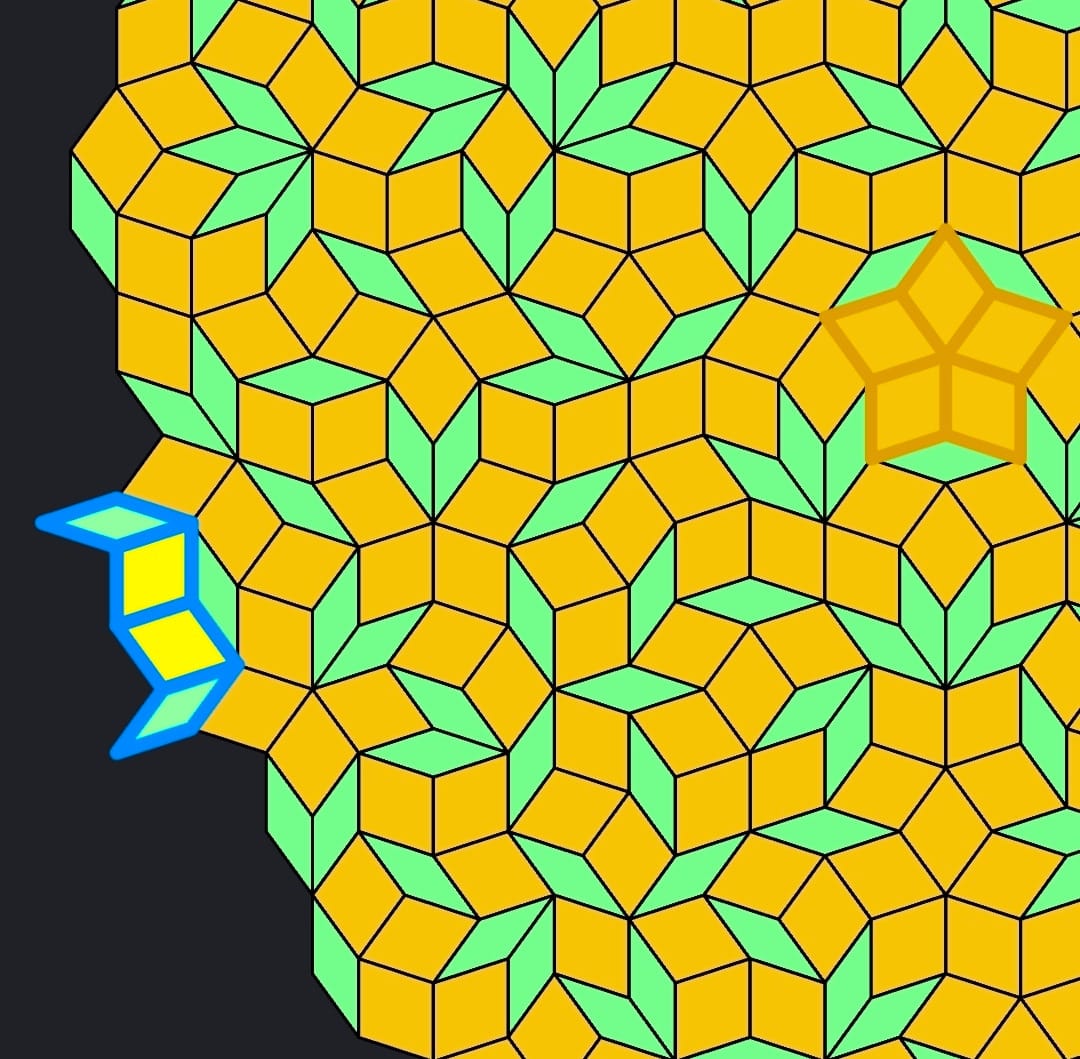
West does not need to be the first player into the central fight. It can develop, watch, and wait for the eastern conflict to become expensive. If Northeast and East exhaust each other over the garrison, West may benefit by entering after the price has already been paid by someone else.
This makes West the opportunist seat.
West’s strongest play may not be a clean central race. It may be harassment, delayed entry, and selective spoiling. It can threaten the left-central region, watch the garrison race unfold, and decide when intervention becomes profitable.
The danger is that waiting can become irrelevance. If Northeast builds cleanly and East fails to interfere, West may arrive too late. A completed inner garrison can become a durable fact before West has translated its flexibility into pressure.
So West’s timing problem is delicate. Move too early and it joins someone else’s fight. Move too late and someone else has already built the future.
West is not racing to found the institution. West is waiting to discover whether the institution becomes a fortress, a tomb, or someone else’s public works project.
Northwest: The False Twin.
Northwest is the most deceptive seat because it visually resembles Northeast. It occupies the upper side of the board. It looks like it should have a comparable relationship to central power.
It does not.
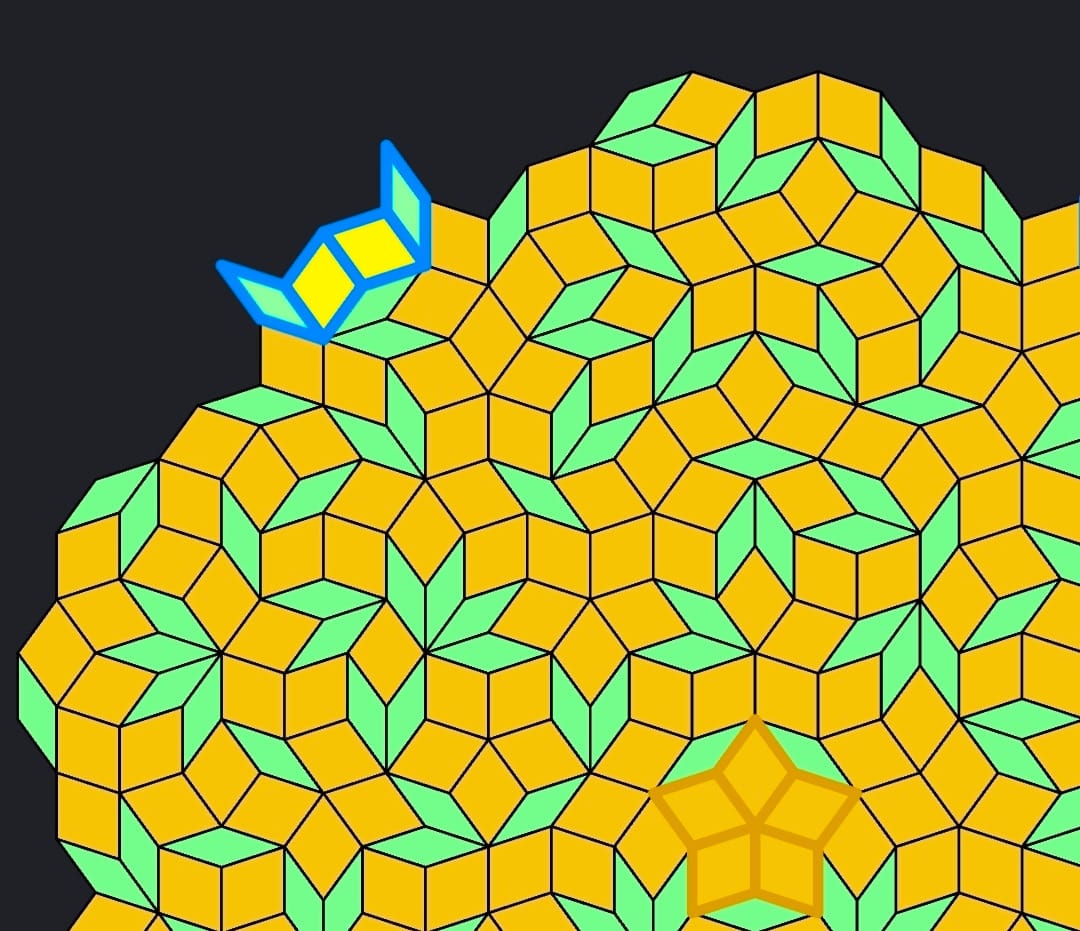
The single inner garrison breaks that apparent symmetry. Northeast has the better conversion route toward the checkpoint. Northwest can pressure the upper center and threaten Northeast’s development, but it does not have the same clean claim on the board’s only inner infrastructure.
That makes Northwest the false twin. Northwest’s role is probably flanking pressure and denial. It can interfere with Northeast’s privileged development. It can contest upper routes, threaten the Throne region from above, and help prevent the inner garrison from becoming a private eastern estate.
But Northwest should not mistake resemblance for equality. It is not simply Northeast on the other side. The board’s infrastructure is offset.
Northwest begins close enough to understand Northeast’s privilege and far enough to resent it.
That resentment may be productive. If Northwest plays well, it can become one of the main reasons Northeast never gets the clean founding game it wants.
Role Hierarchy.
Úath is better understood by role advantage than by flat seat ranking.
- Northeast is the best builder.
- East is the best denier.
- West is the best opportunist.
- South is the best pedagogical defender.
- Northwest is the best flanking pressure seat.
That is not symmetrical fairness, or balance. This is asymmetrical obligation.
Each player receives a different problem to solve. Northeast must convert without becoming the table villain too early. East must interfere without self-exhausting. South must resist the board’s most obvious bait. West must time its entry. Northwest must turn false symmetry into real pressure.
The board is fair only if those problems are comparably playable. It is not fair because they are identical.
Úath is not interested in the identical. It is interested in whether different kinds of trouble can coexist.
The Politics of Úath
Because Úath has one inner garrison, politics begins immediately.
The opening table question is obvious:
- Are we going to let Northeast build?
Northeast is feeling good about this one, guys. East has the most immediate reason to say no. Northwest has a strategic reason to say no. West may prefer to let the first conflict develop before committing. South may prefer to avoid its own trap geometry and arrive later, after other players have made expensive decisions in public.
This gives Úath table politics without table talk.
No alliance has to be declared for the pressure to exist. The geometry creates it. The board points to one central checkpoint and asks whether the players are comfortable letting one player turn early progress into infrastructure.
A normal board can produce politics through player behavior. Úath produces politics through topology.
The conflict is not imported from the personalities at the table. It is written in the board. The board has assigned incentives before anyone can open their mouth.
So Úath may be stronger as a multiplayer board than as any kind of pure fairness board. In a five-player game, asymmetry creates roles, suspicion, timing, and opportunism. In a two-player game, asymmetry becomes more fragile because there are fewer political correctives. Seat pairing suddenly matters.
That is not a flaw if the board is understood correctly, just a setup requirement.
Two-Player Úath.
Úath can support two-player games, but it probably should not be treated as “pick any two gates and go.”
Some pairings are sharper than others.
- Northeast versus East creates the most immediate fight over the inner garrison. It is probably the most tactically violent pairing because the builder and denier collide early.
- Northeast versus Northwest creates the false-mirror game. Both players approach from the upper board, but only one has the cleanest conversion route into the inner garrison. That pairing may be strategically rich because the asymmetry is visible but not crude.
- Northeast versus South is likely one of the most punishing pairings. Northeast has the privileged infrastructure route while South receives the trap classroom. That might still be playable, but it is probably not the best competitive default.
- West versus South likely produces a slower, more lateral game with delayed central pressure. It may be less explosive, but also less centered on the board’s most distinctive feature.
The default board can afford to pretend seats are interchangeable. Úath cannot. Úath has real geography, and geography always has consequences.
What Úath Shows About Chirality.
Úath reveals several design levers that are now available to Chirality without adding new rules.
- The first is irreversibility. A move can be legal while permanently narrowing the piece’s future. This creates tension without requiring extra mechanics.
- The second is unequal conversion. Players may have routes toward the same region, but not equal ability to turn arrival into infrastructure.
- The third is costly checkpoints. A powerful position becomes more interesting when completing it requires immobilization, sacrifice, or lost flexibility.
- The fourth is emergent traps. The board does not need to label a trap if the rules and geometry can produce trap behavior together.
- The fifth is political topology. A board can create table roles before players choose strategies. The map itself can ask who should be opposed, who should wait, who should deny, and who is quietly benefiting from everyone else’s panic.
That is the real goal of the authored boards, not just variety as decoration. The idea is to create new fields where the same rules reveal new meanings.
A good Chirality variant does not need more rules, just a field where the existing rules become new. Úath already does that in the base tileset.
The Horror Board.
The names were assigned from the Ogham alphabet in the order they were authored. Úath means fear, and the name happens to fit.
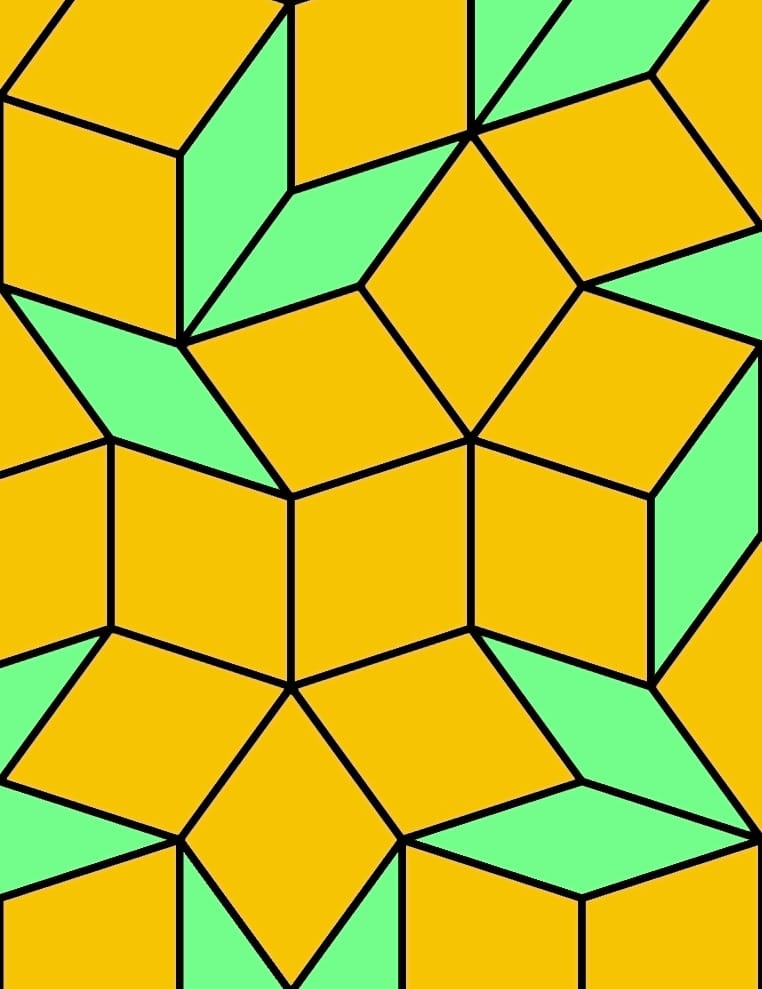
Not because the board kills quickly. It does something worse. It lets pieces survive after their entire future is gone.
A captured piece is simple. It is removed. Everyone understands the loss.
A trapped piece is still visible. It sits there, occupying space, pretending to remain part of the game plan. It asks the owner to keep caring about it. It asks the opponent whether its removal is worth the cost. It turns the board into a record of decisions that cannot be taken back.
That type of structure is what games are especially good at showing.
Games do not live in their rules alone. They live in the reachable futures those rules create. A rulebook can say a move is legal. The board decides whether that move still has a tomorrow.
Úath’s lesson reaches beyond Chirality. Strength is not enough. Position is not enough. Survival is not enough. A piece that cannot move is still on the board, but its future has already been spent.
Games become serious when they stop asking whether a move is allowed and start asking what kind of world remains after you make it.
That is Úath. A legal Chirality board, and a fair warning:
- Do not confuse being hard to kill with being alive.