Fictional Earth: The Social Media Distortion Fields
The internet layered a fictional Earth over the real one, then taught us to check the fictional weather before deciding what was real.
That sounds a little exaggerated until one watches the same event pass through different platforms.
- A war becomes combat weather on X.
- A scandal becomes tribunal material on Reddit.
- A death becomes affect on TikTok.
- A body becomes proof on Instagram.
- A career becomes acceptable posture on LinkedIn.
- A serious thought becomes a recognition object on Bluesky.
The event may be real in every case. The person may be real. The harm may be real. But by the time the platform has translated it into its native grammar, the user is no longer encountering the real event directly. The user is moving through a local world built from the event.
That world is Fictional Earth.
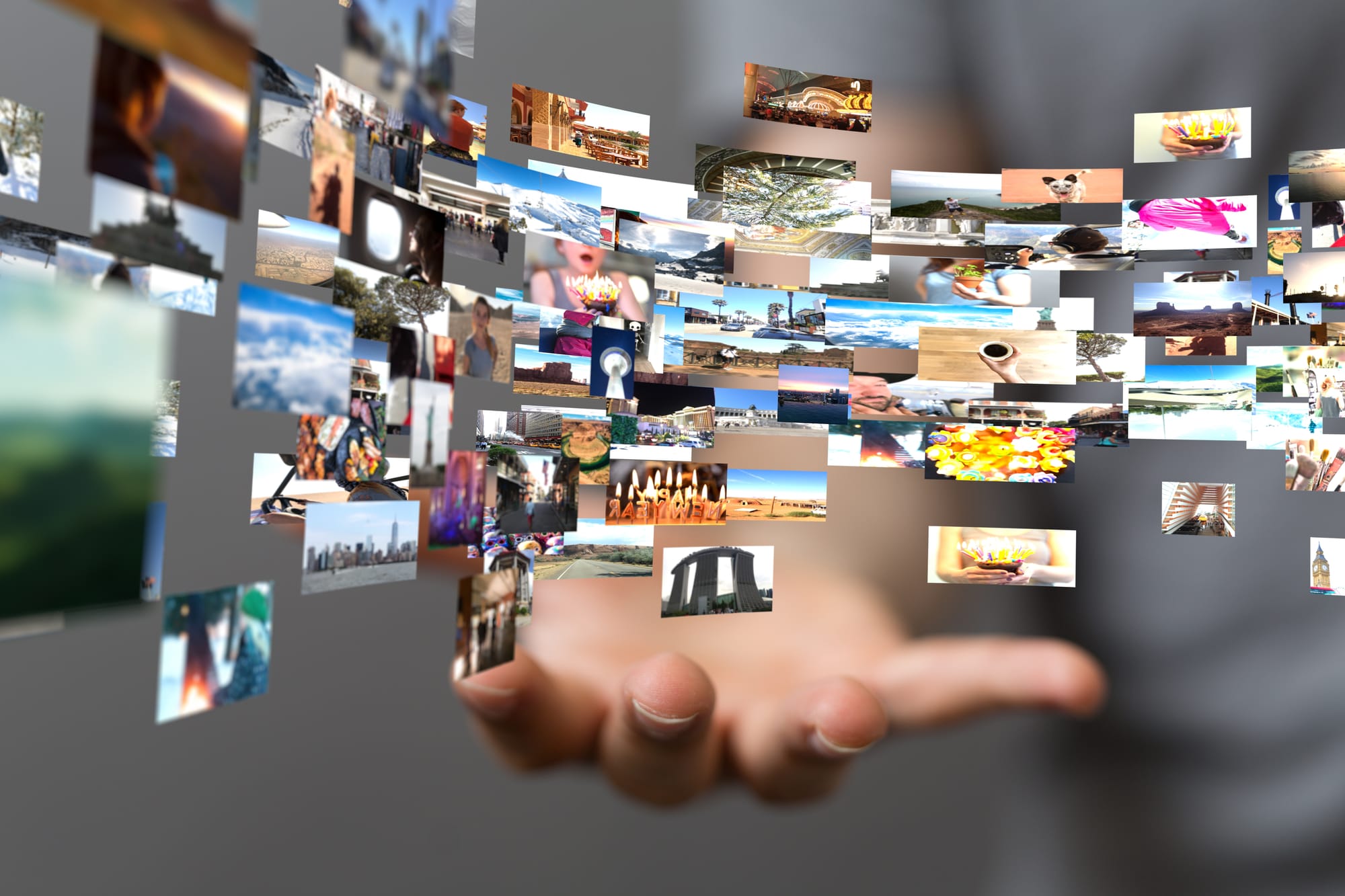
Fictional Earth means factual material rebuilt under platform physics. It is made from real Earth: real disasters, real jokes, real grief, real courage, real cowardice, real friendships, real books, real wars, real institutions, real attempts at care. The fictional layer only works because it can use extant reality as raw material. It rebuilds that material under local platform physics, then rewards users for behaving as though the rebuilt version is the terrain itself.
Social media belongs in the same analytical family as infrastructure, moral weather, propaganda, entertainment, addiction, public ritual, and worldbuilding.
It has become a civilization-scale distortion field, giving billions of people recurring environments in which reality is translated, ranked, shortened, rewarded, punished, aestheticized, and socially adjudicated before most people ever touch it with their own hands.
From Places -> Weather.
The early internet had places.
They were often ridiculous, cruel, brilliant, crude, obsessive, or unstable places, but they were still places. Forums, message boards, IRC rooms, blogs, guestbooks, mailing lists, and fan sites had addresses and thresholds. One went there. One learned the local rules. One became a regular, a lurker, a moderator, a troll, an elder, a banned person, a nobody, a person with receipts. The room could absolutely distort its occupants, but it usually remained recognizably somewhere.
The first social-network layer changed the basic shape.
- Profiles made the self durable and visitable.
- Friend lists made social relation visible.
- Uploads made ordinary life shareable.
- Friend lists made social relation visible.
The recognizable pattern was already visible by the late 1990s: a profile, user-generated content, discussion, and connection to other users.
That was not yet Fictional Earth, but the seed tile had been placed.
The next transformation was the feed. The feed changed social media from a map of places into weather. The user no longer had to visit each profile, forum, or page in order to discover what had happened.
The platform now assembled the happening itself. Friendship, news, confession, joke, loss, announcement, outrage, flirtation, baby photo, argument, and advertisement all entered one moving surface.
The feed trained users to experience social life as a ranked flow.
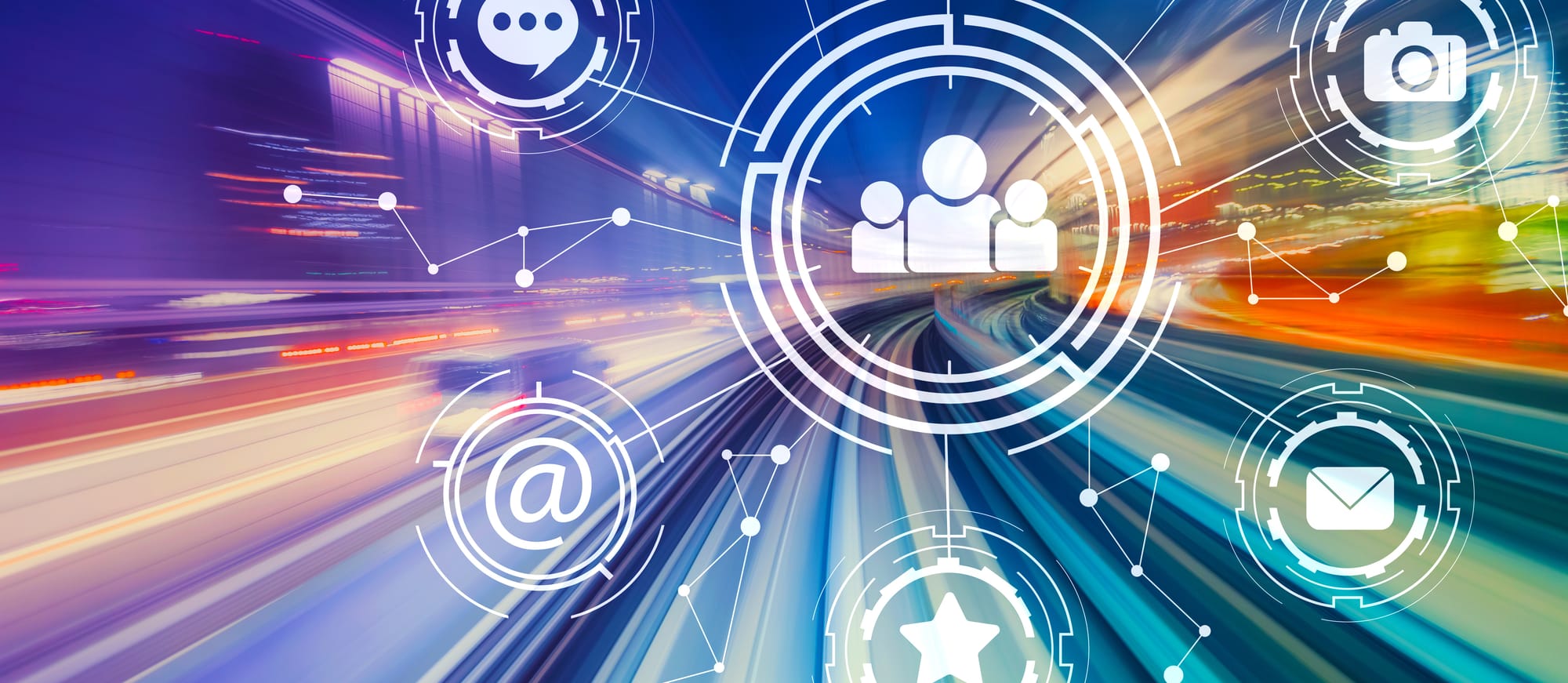
Then came the reaction layer.
- Like
- share
- repost
- quote
- heart
- save
- follow
- subscribe
- block
- ratio
- block
- subscribe
- follow
- save
- heart
- quote
- repost
- share
- mute
- boost
These instruments look small because each requires almost no physical effort. Their great moral power lies in that same smallness. They convert response into a platform-legible unit.
Approval becomes a number. Disapproval becomes a number. Attention becomes a number. Belonging becomes a number. Punishment becomes visible movement in the number.
The field begins to speak back in metrics.

Then the smartphone made the feed ambient.
The room no longer waited at home. It lived in the pocket, by the bed, in the bathroom, at the restaurant, beside the steering wheel, during work, during grief, during boredom, during the half-second when a person might otherwise have looked out a window and remembered they were on the planet Earth.
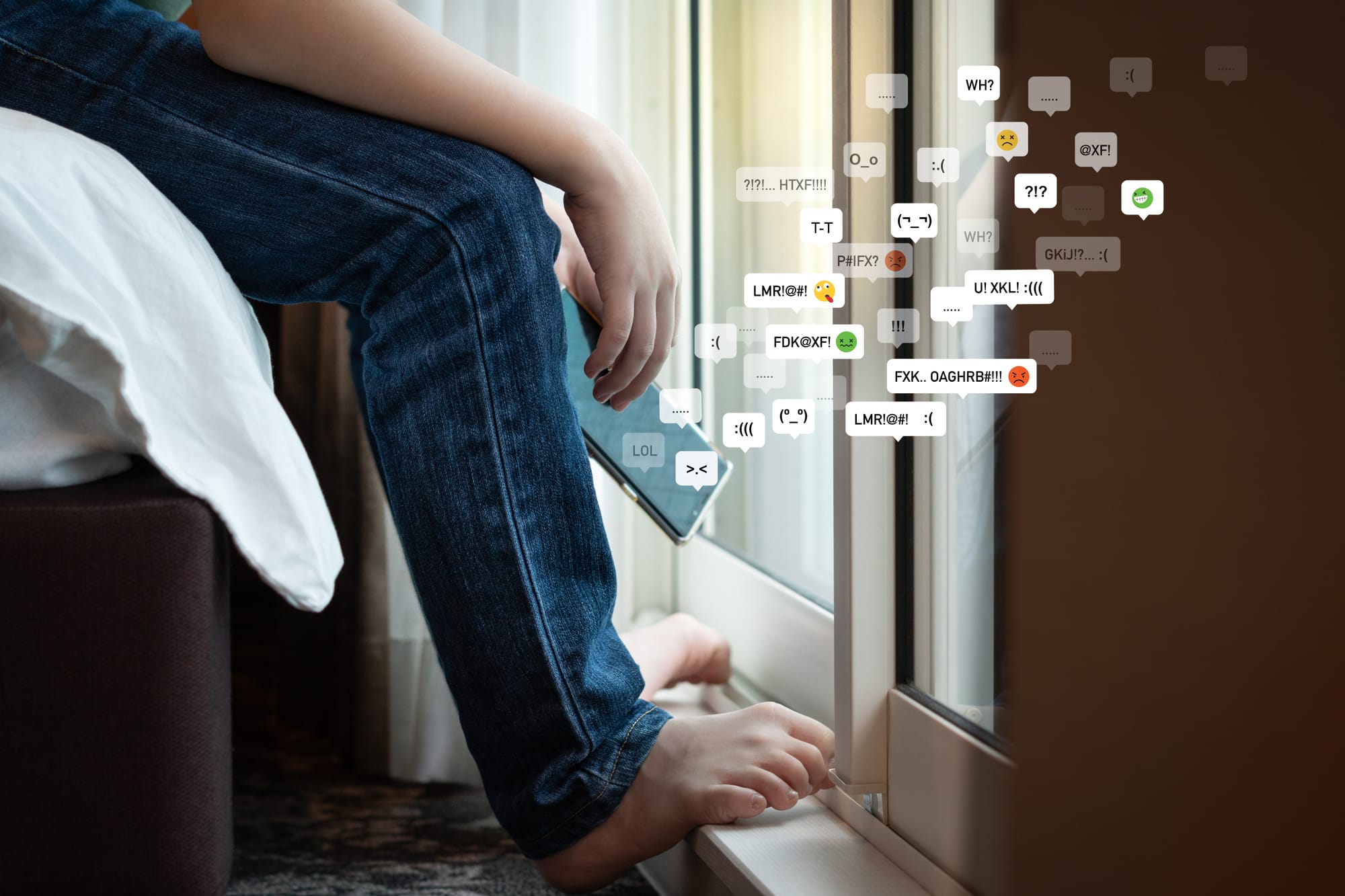
Then recommendation systems weakened the old social graph.
The platform stopped waiting for one’s friends to make the world. It could now infer, test, rank, and deliver whatever held the user in place. The feed became less like a newspaper, less like a neighborhood, and much more like a climate system. Users were moved through a weather pattern built from attention history, platform incentive, advertiser appetite, available content, and a thousand local tests of what would keep the next gesture reachable.
This is the rough anthropological arc:
- place,
- profile,
- network,
- feed,
- metric,
- pocket,
- recommendation,
- world.
- recommendation,
- pocket,
- metric,
- feed,
- network,
- profile,

At each stage, the apparatus moved closer to moral perception. The profile captured identity. The network captured relation. The feed captured attention. The metric captured social judgment. The smartphone captured habit. Recommendation captured orientation.
Fictional Earth captures world-feeling.
Distortion Fields.
Modal Path Ethics uses the phrase distortion field for something more specific than ordinary confusion. A distortion field is a region where the surrounding environment bends perception until harm becomes difficult to recognize as harm.
The problem is not simply that one person is wrong.
The surrounding system makes their wrong reading feel normal, responsible, mature, realistic, necessary, or even good.
Social media belongs in that category.
It places more than ideas in front of users. It trains users in what counts as an event, what deserves attention, what sort of response is visible, what kind of seriousness is admired, what forms of cruelty are funny, what forms of silence are suspicious, what emotions count as evidence, and what sorts of people become socially real.
A platform is moral weather. That weather varies by territory.
- X rewards retaliatory velocity.
- Reddit rewards procedural belonging to local courts.
- TikTok rewards affective motion and the collapse of memory into repeatable feeling.
- Instagram rewards proof: proof of beauty, taste, presence, fitness, family, success, political hygiene, cultural fluency.
- LinkedIn rewards acceptable personhood.
- Discord rewards hidden continuity.
- YouTube rewards slow-worldbuilding by repetition.
- Bluesky rewards relief, taste, and civilized mutual recognition.
That is why this needs to be a whole series. Social media cannot be audited accurately as one moral object. Fictional Earth has many territories.
Every territory has local physics.
A user who forgets this will keep asking the wrong questions.
- Is the platform good?
- Is it bad?
- Is it useful?
- Is it dead?
- Is it where the audience is?
- Is it dead?
- Is it useful?
- Is it bad?
Those questions matter later. The first question is field-structural:
What does this place train me to misread?
Truth w/o Contact.
The usual critique of social media begins with misinformation. That critique is necessary, but it is far too small. A platform can easily distort reality with completely accurate information.
A true fact can become a weapon in the wrong field.
A true grief can become a belonging ritual. A true scandal can become entertainment. A true injustice can become a costume worn for a single afternoon. A true warning can become vibe. A true act of courage can become content so quickly that its courage is no longer what the field knows how to preserve.
The deeper issue is contact.
Modal Path Ethics distinguishes between
- knowing about harm, and
- being in truthful contact with harm
One can possess information about a contraction and remain morally unavailable to it. One can know the statistic, repeat the slogan, share the image, make the correct joke, denounce the correct villain, and still remain inside a field that has converted contact into performance.
Fictional Earth specializes in that conversion.

It offers gestures that feel morally live because they are socially legible.
- Outrage can feel like response.
- Agreement can feel like alignment.
- Dunking can feel like repair.
- Blocking can feel like justice.
- Posting the right line can feel like courage.
- Leaving one platform for a nicer platform can feel like exit.
- Posting the right line can feel like courage.
- Blocking can feel like justice.
- Dunking can feel like repair.
- Agreement can feel like alignment.
The user may have done something, but the field quietly decides what that something means.
This is why moral language can increase while moral contact deteriorates.
A platform can be saturated with justice, care, harm, safety, accountability, liberation, evidence, science, truth, trauma, and solidarity while still training its users away from the field those words were meant to touch.
The platform can make moral language abundant, visible, searchable, monetizable, punishable, and socially mandatory.
Then language begins to float inside the platform-world. It becomes a part of the local game. It can circulate without lowering resistance, repairing trust, preserving future-space, or keeping anyone in contact with extant reality.
The Conversion Table.
Fictional Earth works by conversion.
It takes something extant and rebuilds it as something platform-native.
- A person
- becomes an account.
- A life
- becomes a profile.
- A relationship
- becomes visibility management.
- A thought
- becomes a post.
- A work
- becomes a launch object.
- A tragedy
- becomes discourse.
- A moral stance
- becomes a badge.
- A disagreement
- becomes a sorting event.
- A repair demand
- becomes a statement.
- A community
- becomes a moderation problem.
- A field
- becomes a feed.
Some of these conversions are useful.
- A post can alert people to danger.
- A thread can preserve evidence.
- A video can teach.
- A forum can provide lifesaving information.
- A platform can connect isolated people who otherwise would remain unreachable to one another.
Modal Path Ethics has to resist the cheap conclusion that the fictional layer is simply pure poison. A distortion field will often still contain real care, real friendship, real warning, real art, and real rescue.
That is part of what makes the field dangerous.
This problem would be easier if social media were simply worthless.
Instead, this technology is mixed directly into the reachability of modern life. Jobs, books, emergency information, mutual aid, identity formation, artistic collaboration, political awareness, local events, peer support, and public memory all now pass through platform terrain.
Refusing to touch it may be morally clean for some agents in some contexts.
It is not a universal strategy for a civilization already living partly inside it.
The task is anti-distortion.
Who Pays For Fictional Earth, By The Way?
Fictional Earth appears to be free because its costs are transferred.
- The obvious cost is attention.
- That word has been used so very often that it has become almost decorative, but attention is not decorative.
- Attention is a finite condition of moral perception.
- A person cannot remain in truthful contact with everything at once.
- So when the platform captures attention, it captures part of the user’s capacity to notice where they are, what matters, who is being harmed, and which paths remain reachable.
- A person cannot remain in truthful contact with everything at once.
- The next cost is time.
- Not time in the shallow productivity-guru sense.
- Time as repairability.
- Time as relation.
- Time as thinking long enough for the field to become visible.
- Time as the difference between reacting to the platform version of an event and understanding the extant event that was fed into it.
- Then comes emotional regulation.
- Platforms repeatedly stimulate states that the user must then carry forward:
- indignation,
- envy,
- suspicion,
- dread,
- shame,
- triumph,
- parasocial intimacy,
- generalized contempt,
- ambient urgency.
- generalized contempt,
- parasocial intimacy,
- triumph,
- shame,
- dread,
- suspicion,
- envy,
- indignation,
- The platform gets its motion.
- The user gets the residue.
- Platforms repeatedly stimulate states that the user must then carry forward:
- Then comes trust.
- The more social life is processed through platform incentives, the harder it becomes to distinguish public courage from performance, private care from brand management, expertise from fluency, popularity from truth, and silence from guilt.
- Trust does not disappear all at once.
- It becomes gradually more expensive.
- Then comes public courage.
- If every statement can become evidence in a tribunal one does not control, many people learn to speak only in pre-cleared forms.
- They become careful, not in the sense of care, but in the sense of self-preserving legibility inside these games.
- They do not say what they see.
- They say what can survive the field.
- They do not say what they see.
- They become careful, not in the sense of care, but in the sense of self-preserving legibility inside these games.
- If every statement can become evidence in a tribunal one does not control, many people learn to speak only in pre-cleared forms.
- Then comes care-capacity.
- A user can be asked to encounter a hundred urgent harms before lunch, each presented with enough moral force to demand response and too little context to permit repair.
- Eventually, the user learns one of two habits:
- a) perform concern without contact, or
- b) deaden contact in order to survive.
- Both habits serve the field.
- Eventually, the user learns one of two habits:
- A user can be asked to encounter a hundred urgent harms before lunch, each presented with enough moral force to demand response and too little context to permit repair.
This is burden transfer.
The platform preserves its surface vitality by relocating costs into the user’s attention, time, privacy, trust, courage, relationships, and capacity for care.
It also relocates costs into the world outside the platform, where the work of repair waits while everyone is busy experiencing the platform’s version of seriousness.
Normality = the Takeover.
Fictional Earth wins when it becomes normal.
The platform requires no love from the user. It only needs users to treat it as the place where reality has to be checked. That is the takeover:
Necessity without delight.

People begin to say:
- This weather is where the conversation is.
- This is how visibility works.
- This is how you build an audience.
- This is how you stay informed.
- This is how you find your people.
- This is how you know what everyone thinks.
- This is where the news breaks.
- This is where reputations live.
- This is where silence is noticed.
- This is where you have to be.
Each sentence may be partly true. That is how normality protects itself. The field survives by making departure feel like the loss of some essential path.
The anthropological significance is enormous.
- Within a single generation, social media has moved from novelty to infrastructure.
- A thing that once required deliberate entry now accompanies waking life.
- A thing that once organized profiles now organizes human perception.
- A thing that once reflected social connection now manufactures conditions under which connection, conflict, proof, punishment, and memory appear.
- A thing that once organized profiles now organizes human perception.
- A thing that once required deliberate entry now accompanies waking life.

This is why nostalgia for the old internet is insufficient. Those old rooms had their own violence, hierarchy, exclusion, obsession, and fantasy.
The issue is trajectory.
The internet moved from
- room to
- road to
- weather to
- atmosphere.
- weather to
- road to
Fictional Earth is what happens when the atmosphere begins presenting itself as the sky.
The Anti-Distortion Question.
Every article in this series will therefore ask the same set of questions of a different territory.
- What does this platform make feel real?
- What forms of harm does it train users to misread?
- What behavior does it reward as moral seriousness?
- What burden does it transfer, and onto whom?
- What does it make easier to punish than to repair?
- What kind of person does it reward the user for becoming?
- What histories produced this local physics?
- What would truthful contact require inside or against this field?
These questions form a social media strategy only at the deeper level.
Modal Path Ethics is asking what each transition makes reachable.
- A platform may make some readers reachable
- while making truthful perception harder.
- It may generate useful opposition
- while training the user toward retaliatory addiction.
- It may preserve a small community
- while burying that community beyond public reach.
- It may keep an author visible
- while slowly altering the author into a creature optimized for the platform’s fictional terrain.
This is why each territory needs its own audit.
Bluesky and X have different weather.
Reddit and TikTok obey different laws.
Instagram and LinkedIn submit life to different tests.
Discord and YouTube preserve memory through different architectures.
Each field has its own grammar, its own history, its own rewards, its own traps, and its own way of replacing our Earth with something locally convincing.
Using Fields w/o Moving In.
A clean platform does not exist.
Fields have different physics. A person can use a distortion field without surrendering to it, but only by remembering that the platform’s weather is not the sky.
That means keeping an outside home.

For Modal Path Ethics, that means the website must remain the primary memory structure.
- Social platforms can announce, test, provoke, scout, and translate.
- They cannot become the place where the work lives.
- A platform that owns the memory owns the field.
That also means converting platform contact back into extant action.
- If a post identifies a harm, the question is what repair path became more reachable after posting.
- If a thread produces a serious objection, the question is whether that objection should become an article, correction, investigation, conversation, document, or practical change.
- If a platform produces only more platform behavior, the field has eaten the action.
And treating metrics as weather reports rather than moral verdicts.
- A storm may matter. A quiet day may matter.
- But neither tells us the whole field.
- A thousand likes do not establish contact with reality.
- No likes do not establish failure either.
- Fictional Earth has weather, and weather affects travel, but weather is not terrain.
Also, leaving before the local law becomes conscience.
Every platform teaches a specific role:
- the warrior,
- the prosecutor,
- the witness,
- the expert,
- the tasteful exile,
- the brand,
- the insider,
- the survivor,
- the curator,
- the person who has seen enough to be tired in exactly the right way.
- the curator,
- the survivor,
- the insider,
- the brand,
- the tasteful exile,
- the expert,
- the witness,
- the prosecutor,
The role may be useful for about five minutes.
It should not be allowed to become the self.
Above all, it means asking repeatedly what the field is doing to care.
Is truthful perception becoming easier?
Is repair becoming more reachable?
Are burdens becoming visible, or aesthetic?
Are users being trained toward contact with harm, or toward consumable simulations of contact?
The Map.
This series will move through Fictional Earth territory by territory.
- Bluesky will be treated as The Safe Room:
- a field where relief from worse platforms can become a substitute world of civilized recognition.
- X will be treated as Retaliation Weather:
- a field where humiliation, exposure, and combat velocity feel like contact with truth.
- Reddit will be treated as The Tribunal Field:
- a federation of local courts where admissible reality depends on procedure, tone, and community law.
- TikTok will be treated as The No-Memory Field:
- motion, affect, repetition, and the conversion of continuity into scrollable feeling.
- Instagram will be treated as The Proof Field:
- life submitted as evidence under aesthetic judgment.
- LinkedIn will be treated as The Acceptable Person Machine:
- a field where reality must become professionally survivable before it can be spoken.
- Discord will be treated as The Hidden City:
- deep local continuity behind walls, with all the gifts and dangers of enclave reality.
- YouTube will be treated as The Slow Worldbuilder:
- parasocial memory, search archive, repetition, and ideological weather over time.
The exact order may change, because this series is fieldwork rather than a museum tour. The goal is to find paths to contact with Real Earth under the fictional layer.
Fictional Earth is already here. It's not going anywhere.

Time spent there is only the surface danger.
The deeper danger arrives when people begin to treat its local physics as reality, its moral weather as conscience, its metrics as evidence, its punishment as repair, its visibility as existence, and its exhaustion as the ordinary price of being alive now.
Social media gave civilization new tools for communication and built a second terrain out of the first one. The work now is to learn how that terrain bends perception before we mistake its sky for ours.