Kendrick Lamar and the Return
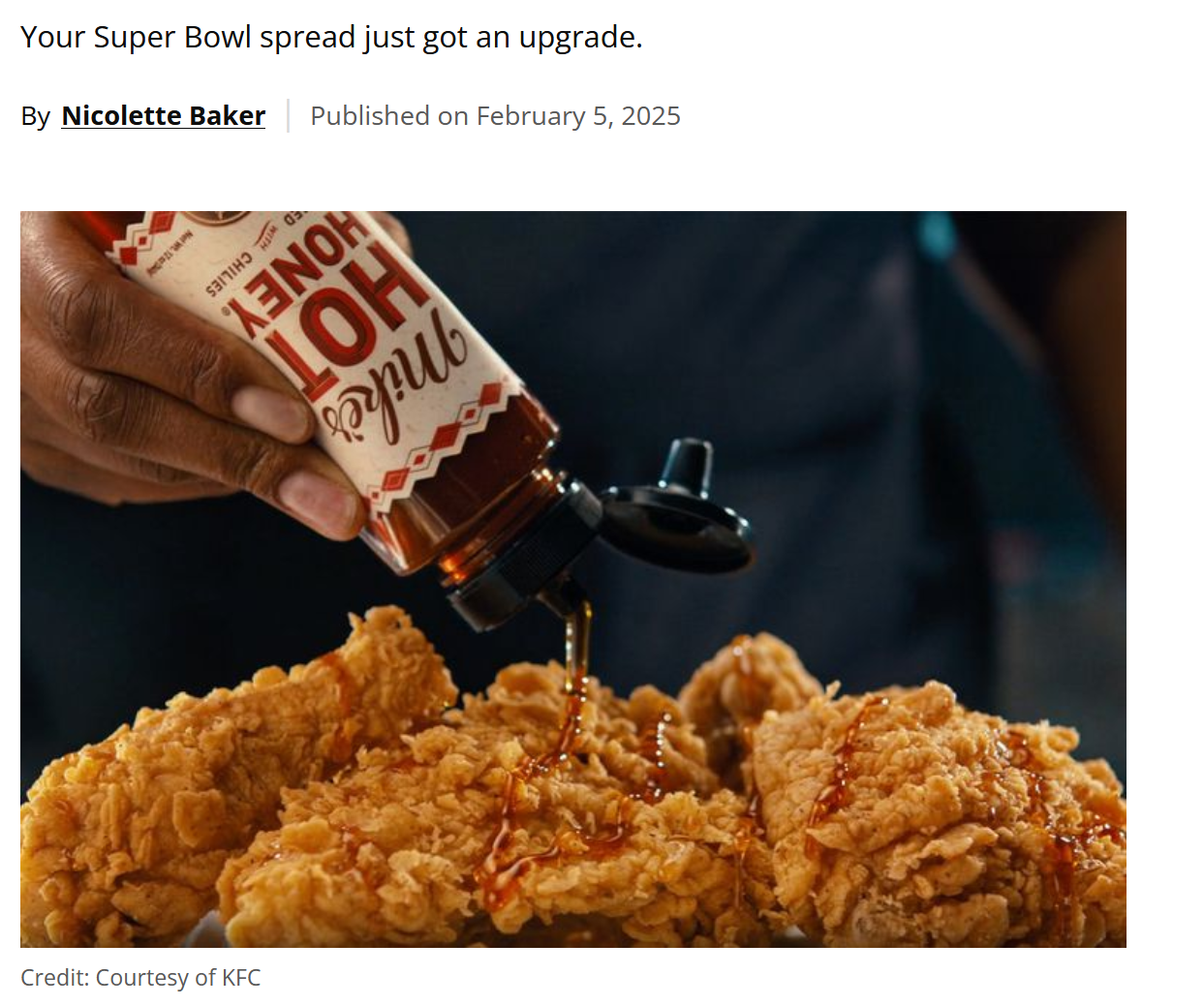
Kendrick Lamar's life depends, by his own account, on a man being unusually nice to his father at a Kentucky Fried Chicken.
Moral philosophy does not always get to choose its laboratory.
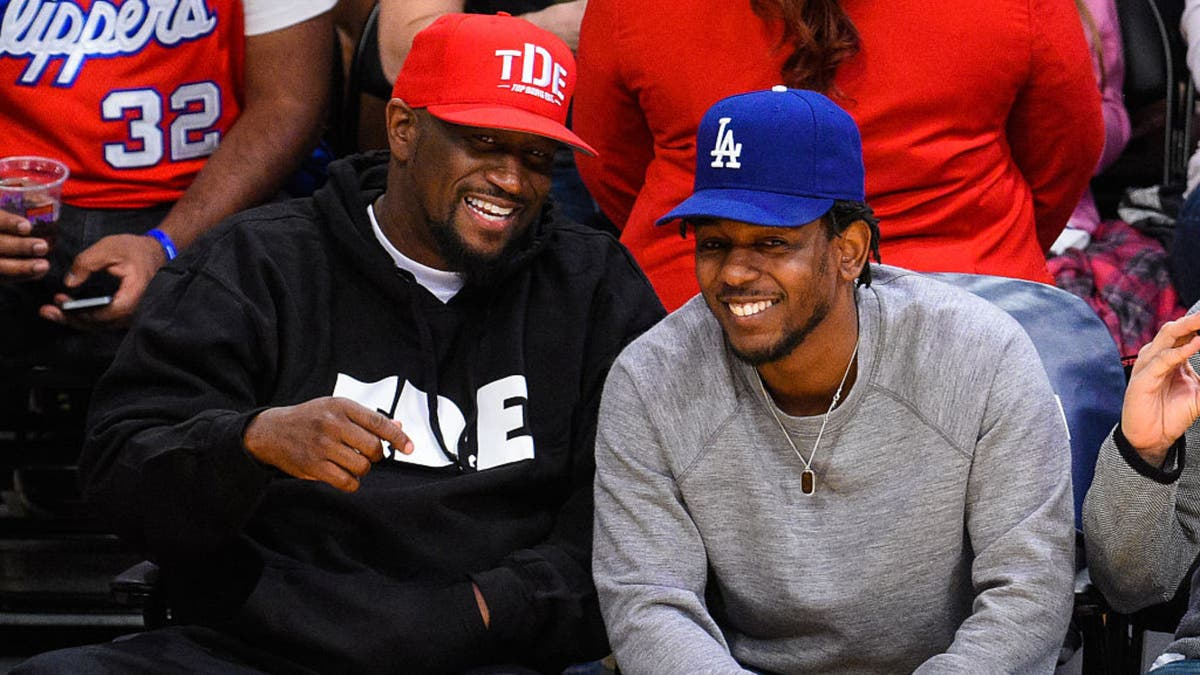
Years before Kendrick was born, his father, Kenny Duckworth, worked at a KFC in Los Angeles. Anthony Tiffith, the man who would later found Top Dawg Entertainment and sign Kendrick Lamar, had robbed that restaurant before. Duckworth knew who he was dealing with and treated him well when he came through.
Tiffith remembered.
Kendrick Lamar eventually existed, grew up, started rapping, signed to the label run by the man who had once considered robbing his father's workplace, became one of the most important artists of his generation, and eventually wrote the whole ridiculous causal chain into DUCKWORTH.
Kendrick has repeatedly confirmed that the underlying story is true. When Dave Chappelle asked him about it in 2017, Kendrick immediately said yes and explained that what fascinated him was perspective: what his father understood in the moment, what Tiffith understood, and how neither man could have seen what the decision would eventually carry.
This is just an extremely inconvenient song for Modal Path Ethics to encounter.
The framework has spent an unreasonable amount of time arguing that transitions matter because they change what becomes reachable afterward.
Then Kendrick Lamar ends an album by saying, essentially:
- Here is one.
- Here is the chicken.
- Here is my father.
- Here is Top Dawg.
- Here is the gun that did not fire.
- Here is everything that became reachable because it didn't.
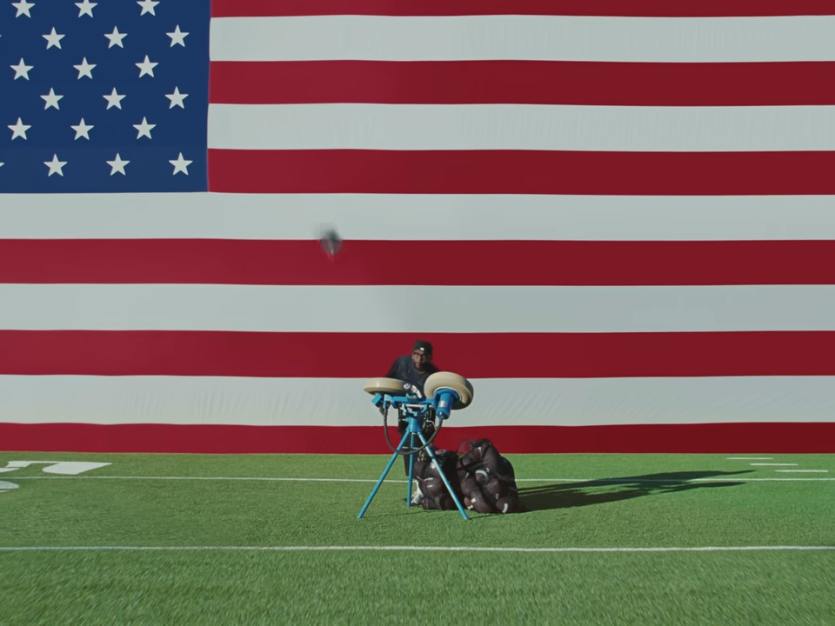
- Then the tape rewinds.
Put It in Reverse.
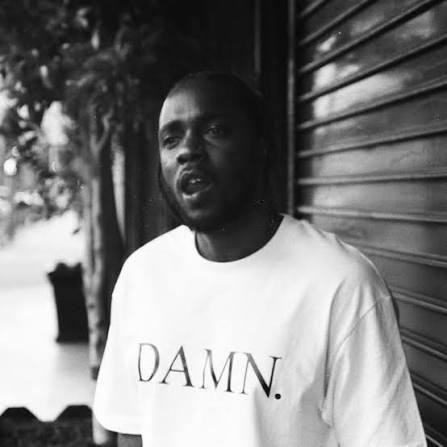
DUCKWORTH. closes DAMN. by running Kendrick's own existence backward into contingency.
The album itself supports the move. Kendrick later confirmed that DAMN. had been designed to work in reverse order as well as forward; a collector's edition literally flipped the track sequence and put DUCKWORTH. first.
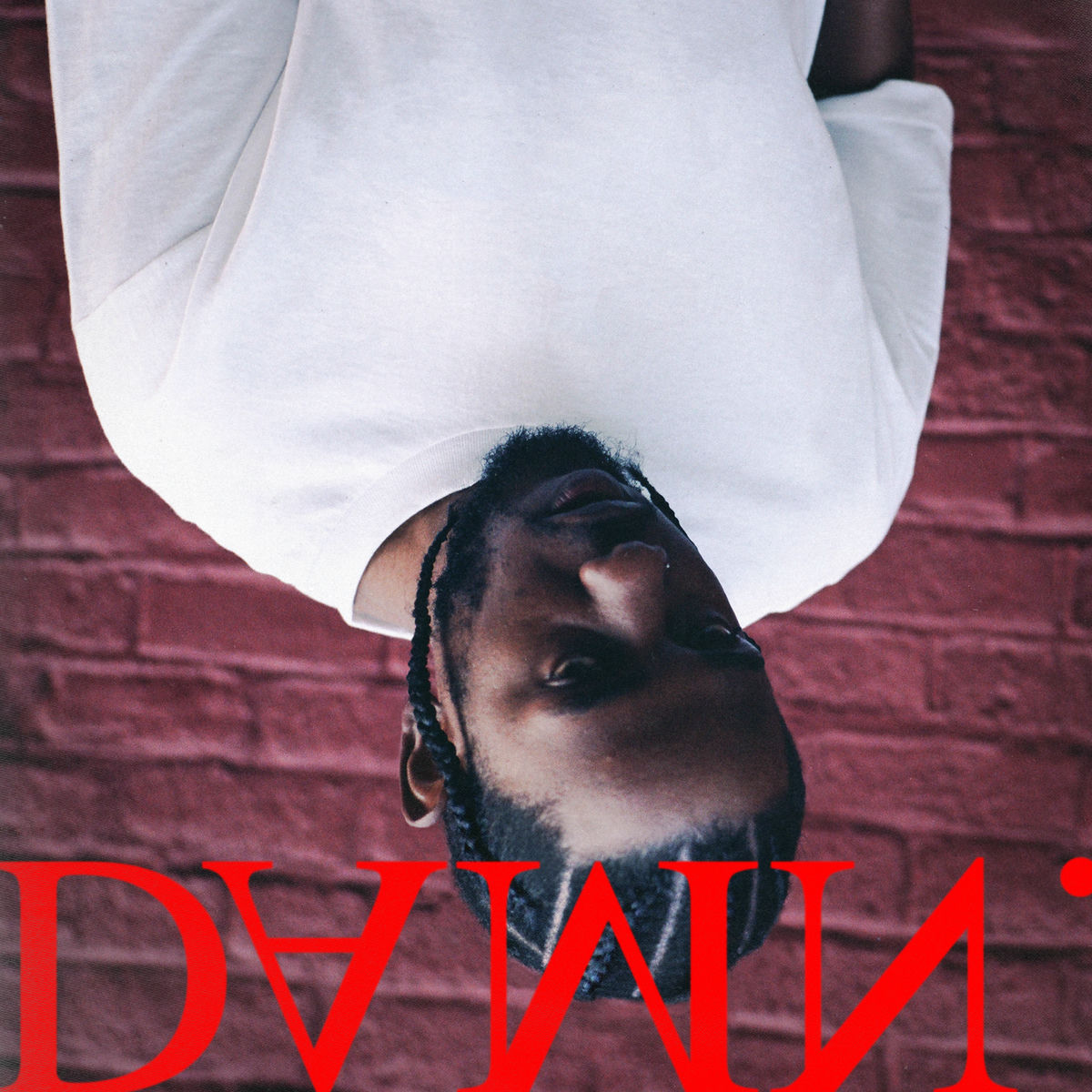
This is slightly excessive.
Also useful.
Kendrick's work has long resisted the fantasy that a person begins at the point where the person becomes visible.
- A life arrives carrying earlier transitions.
- A neighborhood arrives carrying earlier transitions.
- A family arrives carrying earlier transitions.
- An artist arrives carrying people who never heard the album.
DUCKWORTH. makes the structure almost comically clean. Kendrick's career, his family, Top Dawg Entertainment, the music, the money, the Pulitzer waiting one year farther down the road: all of it sits downstream from an encounter nobody involved could have evaluated at the scale history later supplied.
A tiny move became load-bearing.
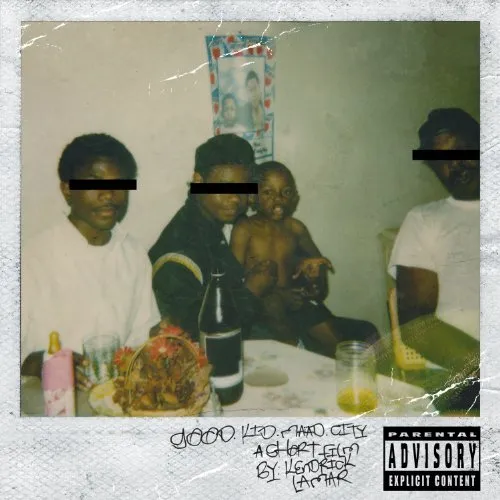
This does not mean Kenny Duckworth secretly selected good kid, m.A.A.d city while standing beside a fryer.
It means the later field was unavailable without the earlier path.
That distinction is basic to Modal Path Ethics.
Possibility is cheap. Reachability has a history.
Before.
This backward movement runs through the earlier records too.
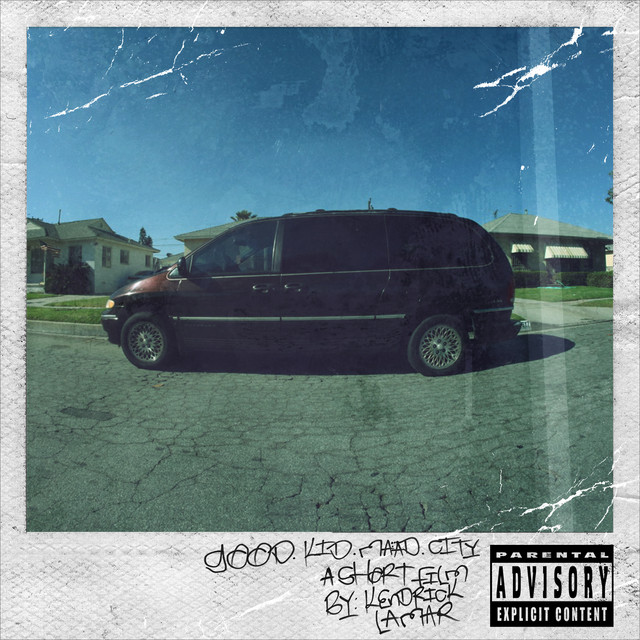
good kid, m.A.A.d city is famously structured around a young Kendrick moving through Compton while other people, institutions, loyalties, dangers, expectations, and accidents keep acting on what he can become.
The title has already done most of the philosophical work.
- There is a kid.
- There is a city.
- The relation between them is the album.
- There is a city.
Kendrick does not present the young self as some untouched moral unit unfortunately surrounded by external influences. The friends are inside the decisions. The neighborhood is inside the attention. Masculinity is inside the available responses. Fear, desire, loyalty, boredom, religion, violence, family expectation, police, status, music, and chance all enter the person before the person gets around to announcing a theory of himself.
The field keeps producing the agent who will later claim to have acted.
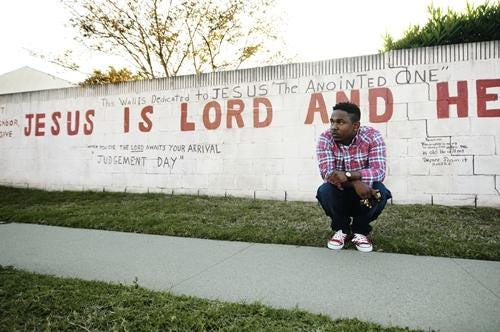
That tension follows him out of Compton.
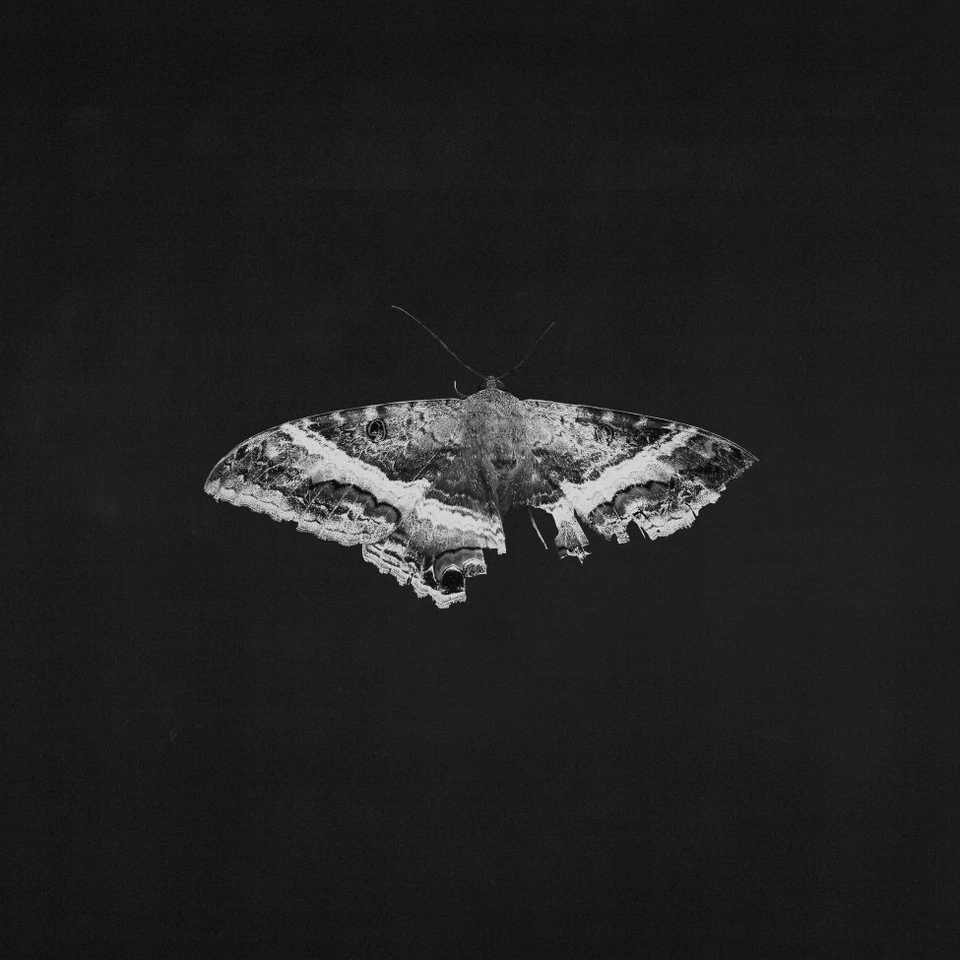
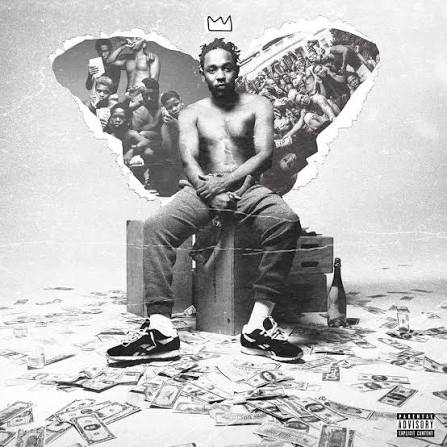
To Pimp a Butterfly gives success its own return problem.
The young rapper escapes one configuration and discovers that leaving has not settled his relation to the people, history, exploitation, guilt, race, money, political expectation, and cultural inheritance that traveled with him.
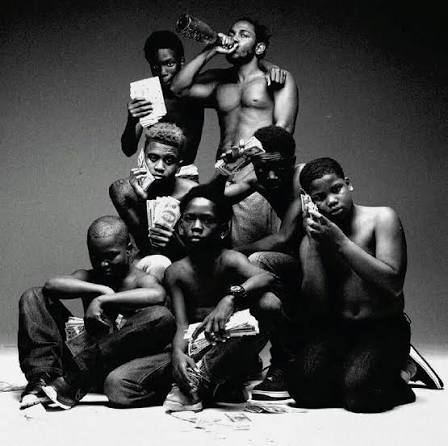
The butterfly can fly.
Unfortunately, the caterpillar has paperwork.
Kendrick's 2017 conversation with Chappelle is useful here. He described returning to Compton as important after his international experiences because he wanted to bring what he had encountered elsewhere back into relation with the people and stories that formed him. He did not describe artistic growth as departure from the earlier field. The return was part of the work.
Then DAMN. compresses the problem into an even tighter moral loop.
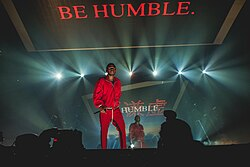
Fear at different ages. Pride. Loyalty. Love. Lust. Weakness. Wickedness.
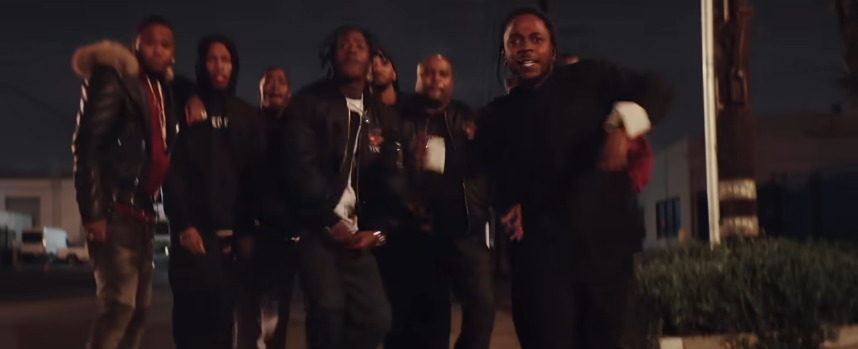
Inheritance.
The possibility that the life being judged has been produced by forces arriving long before the judgment.
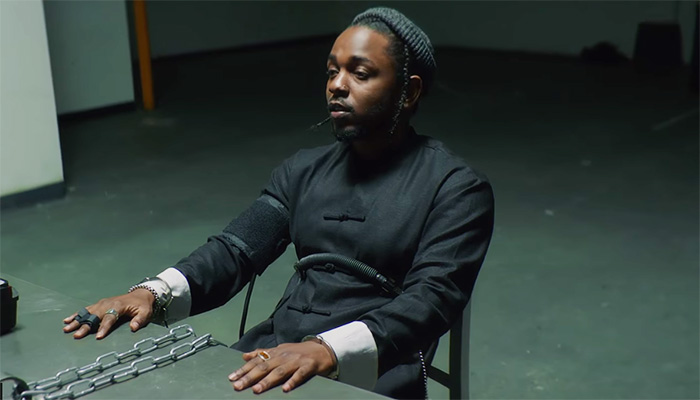
And finally:
KFC.
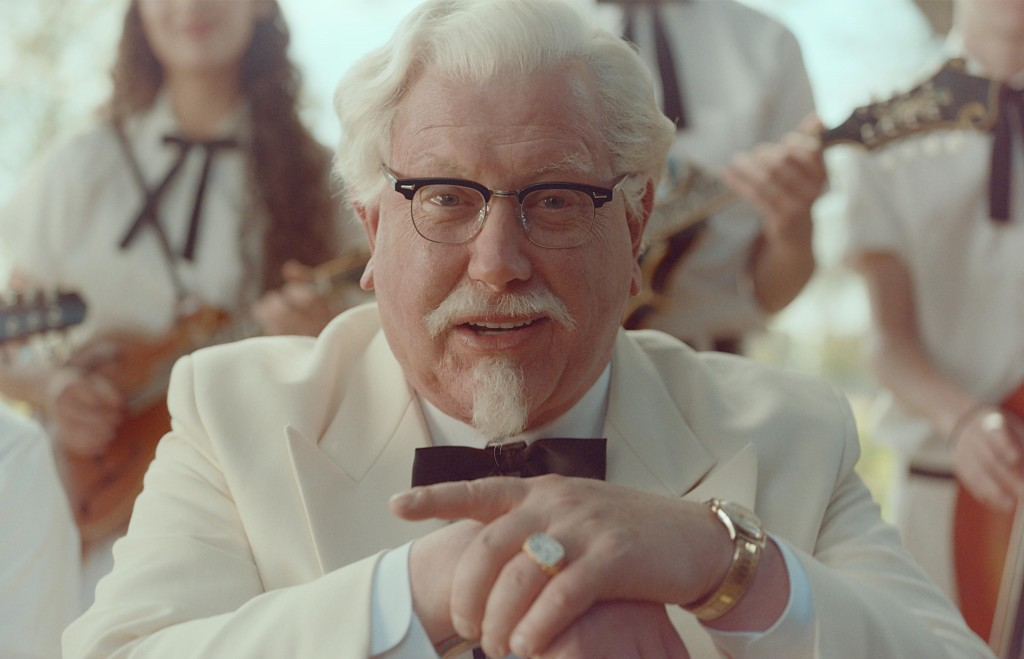
The album reaches backward until Kendrick's existence itself looks contingent.
Then Mr. Morale & the Big Steppers asks the nastier question.
- You found the path.
- Now what?
Carrying Kendrick Lamar.
By 2018, Kendrick Lamar had acquired a Pulitzer Prize.
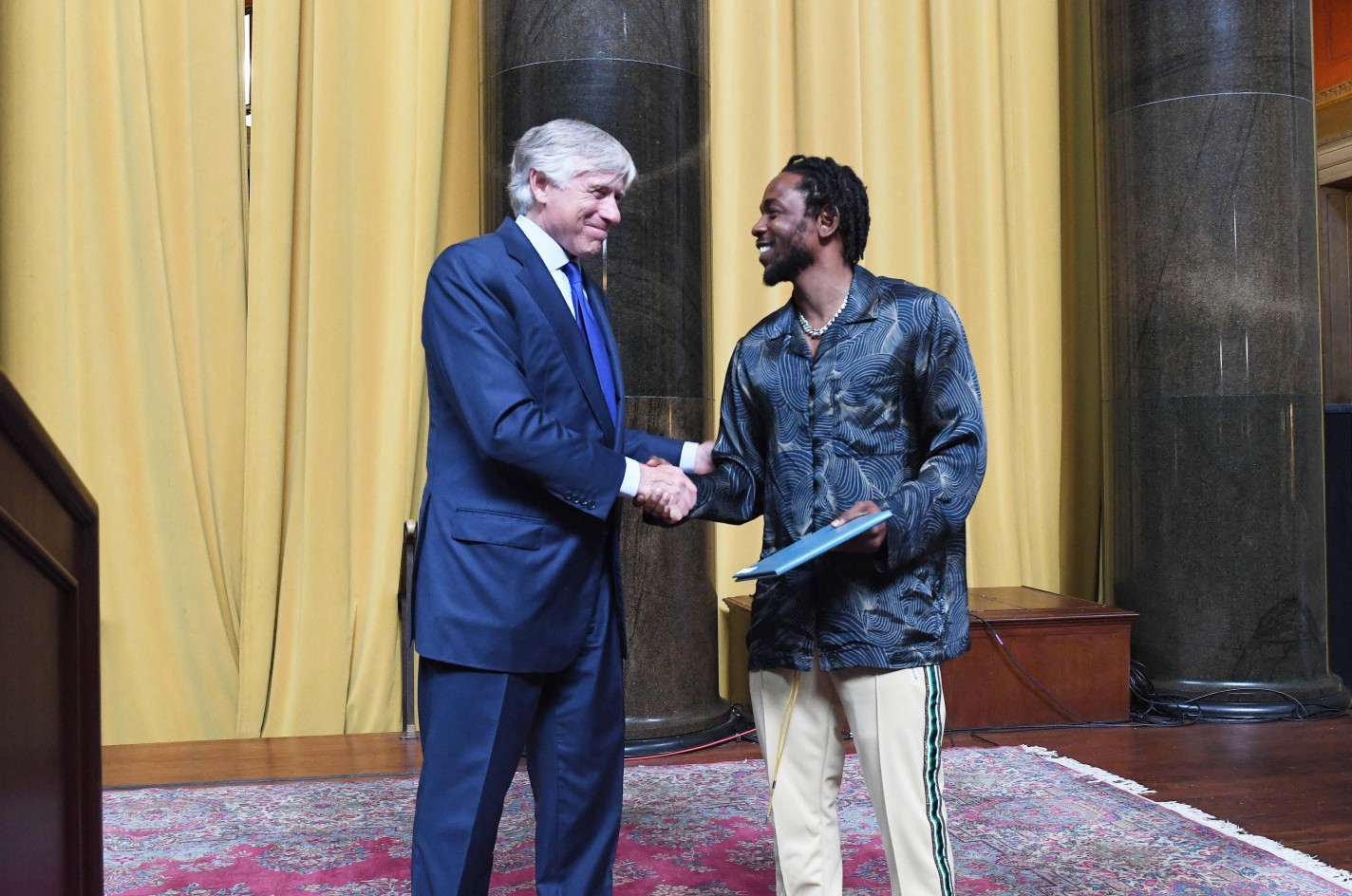
This is generally considered a positive career development.
This does create a small practical problem if you were already struggling with what everyone expects Kendrick Lamar to mean.
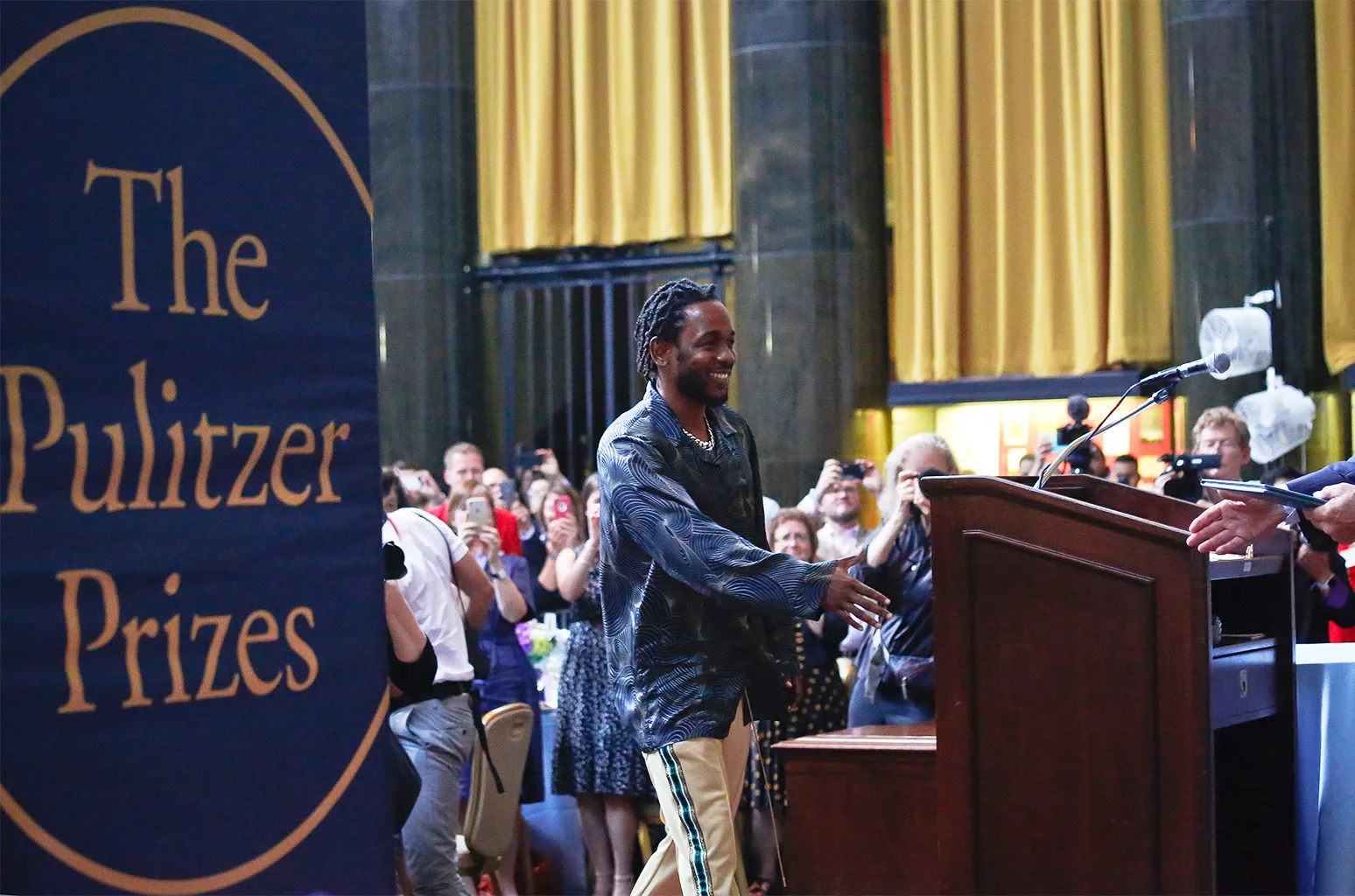
Kendrick had become more than a working rapper.
He had become an answer other people wanted to use.
- Voice of a generation.
- Political figure.
- Cultural conscience.
- Compton representative.
- Black excellence.
- Black suffering.
- Rap legitimacy.
- Moral seriousness.
- Whatever else somebody needed from him before lunch.
The public Kendrick had accumulated enough symbolic weight that the private person eventually had to audit the load.
That is Mr. Morale.
Kendrick described the record in 2022 as material he had been carrying for years. He told W that he had effectively been writing his way through feelings stretching from childhood into his mid-thirties, and that making the album required him to revise how he understood experiences he had discussed differently when he was younger.
That is the important move.
The record does not discover that Kendrick has a past.
DUCKWORTH. had already handled that.
It discovers that Kendrick's earlier explanations also have a past.
That is worse.
A person can remember an event accurately and still misunderstand what the event became inside them.
A coping mechanism can outlive the field that made it useful.
A family role can remain active after everybody has forgotten who assigned it.
A lesson taught as protection can become a trap twenty years later.
The story you tell about your childhood can itself become inherited infrastructure.
So Kendrick runs the route again.
Run It Back.
United in Grief opens with accumulation.
The person has spent years buying, working, moving, desiring, grieving, performing, acquiring, and continuing.
- The ledger is full.
- The account is not settled.
Father Time turns toward masculine inheritance: which behaviors entered as discipline, which became emotional incapacity, which were transmitted as strength because strength was the available language.
Worldwide Steppers refuses to leave the analyst outside the analysis. Kendrick can see exploitation, hypocrisy, racial structure, consumption, sexual conduct, celebrity, and public judgment while remaining fully implicated in the field he is describing.
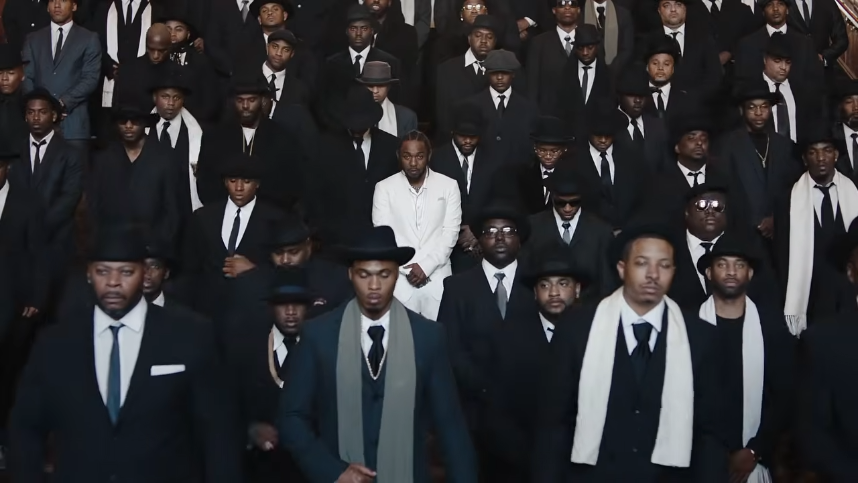
The man holding the microscope keeps appearing under the microscope.
Very inconsiderate.
We Cry Together places inherited damage inside a relation where two people can transmit it directly at one another.
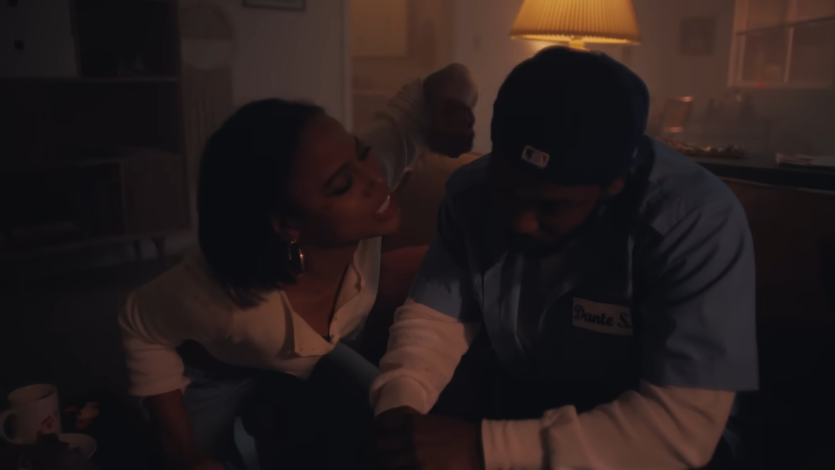
Mother I Sober extends the causal field across generations, family secrecy, sexual harm, misrecognition, protection, memory, masculinity, and the ways one generation's wound can become another generation's operating environment.
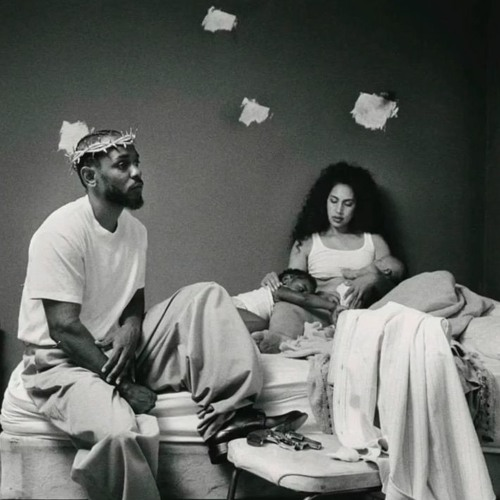
Then the album keeps returning to the same practical problem:
Knowing where something came from does not tell you what to do with it now.
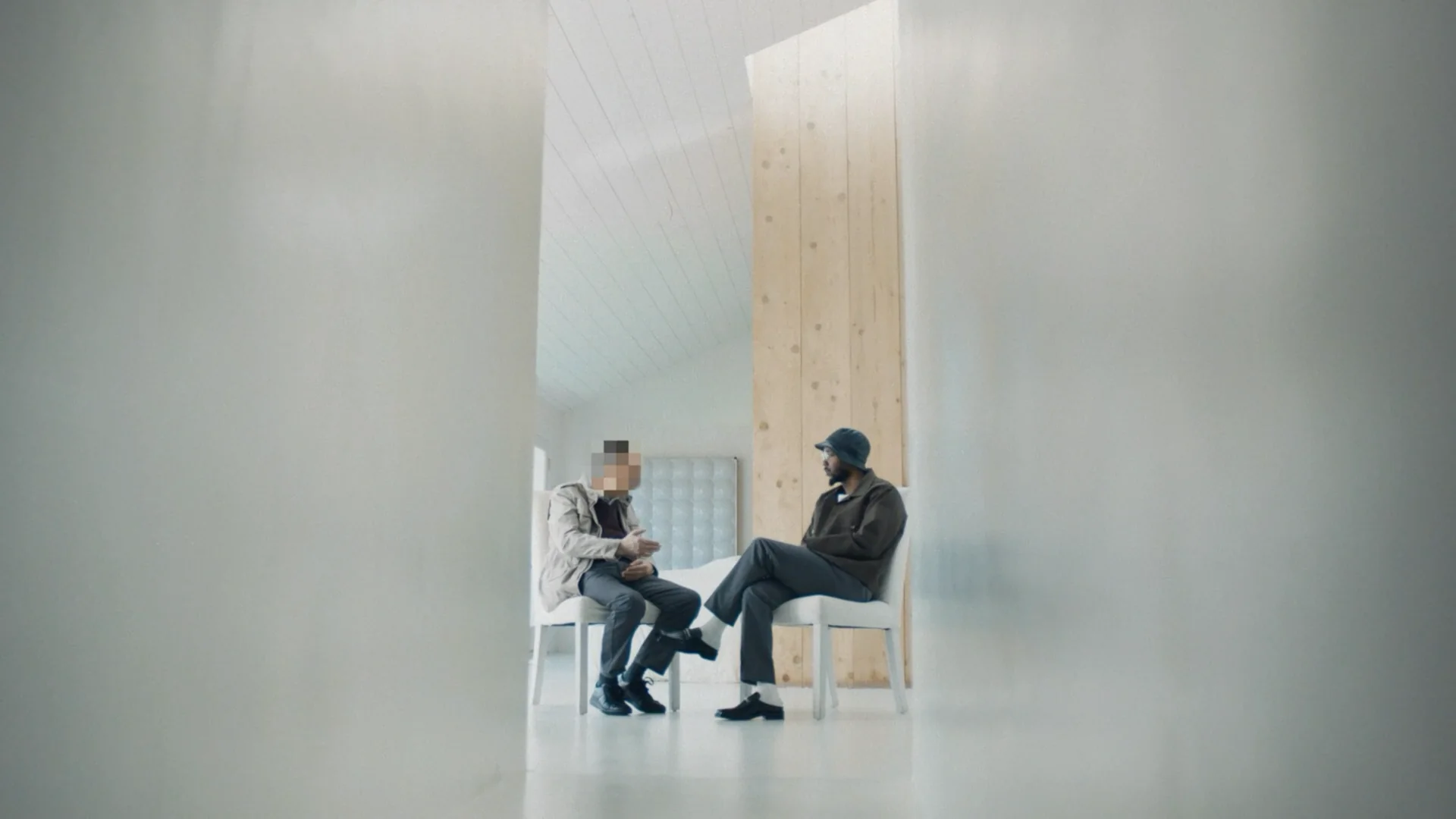
That is where therapy enters.
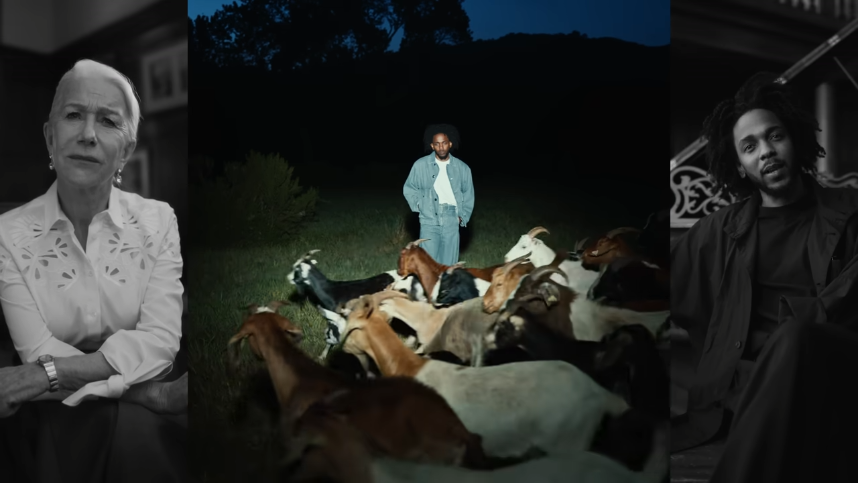
That is where Eckhart Tolle enters.
That is where confession enters.
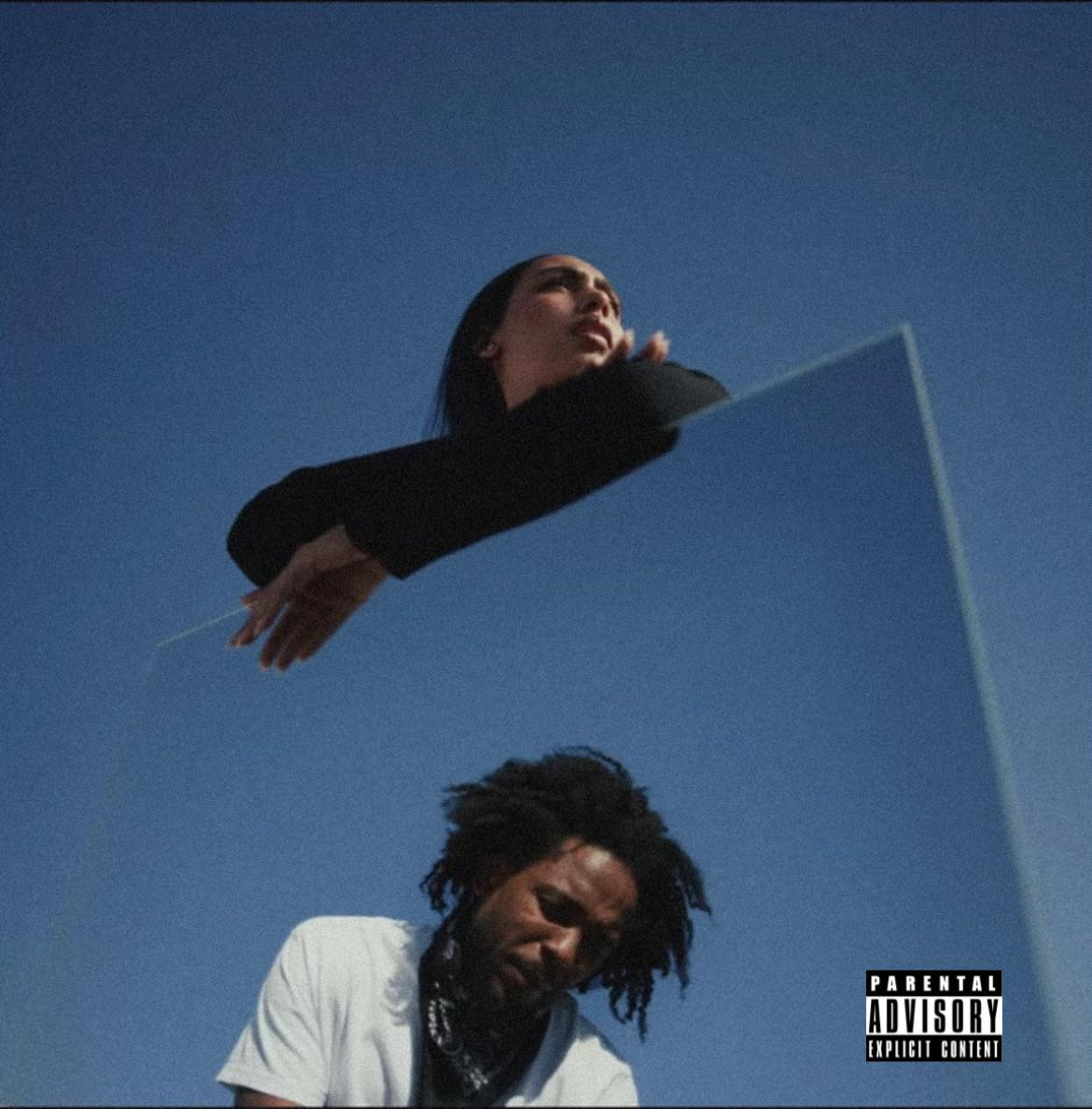
That is where family testimony enters.
These are all instruments.
Kendrick brought Tolle directly into the album after engaging with his work; Tolle's language around the pain-body gave the record one model for understanding how accumulated pain can become active again through present identity and relation.
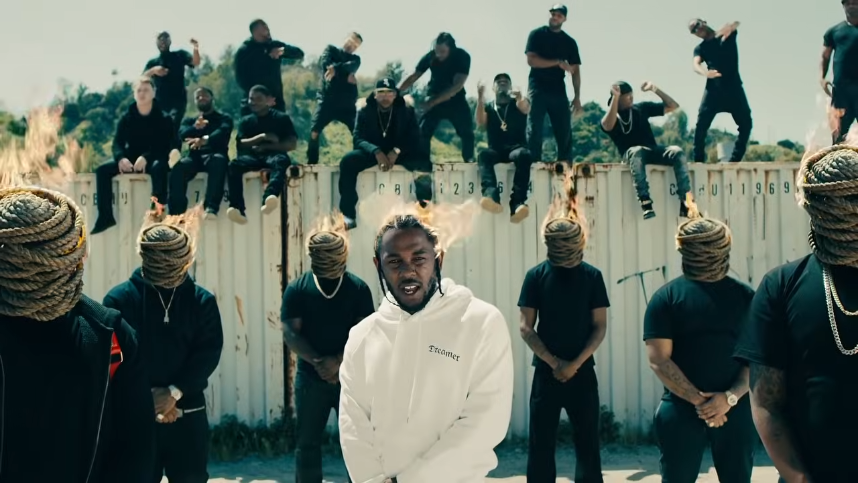
The instrument helps because Kendrick is trying to track persistence.
- What remained active?
- What did he inherit?
- What did he add?
- What has he handed forward?
- And what can stop here?
- What did he inherit?
This is rehabilitation. It is considerably less glamorous than revelation.
Revelation gets a mountain.
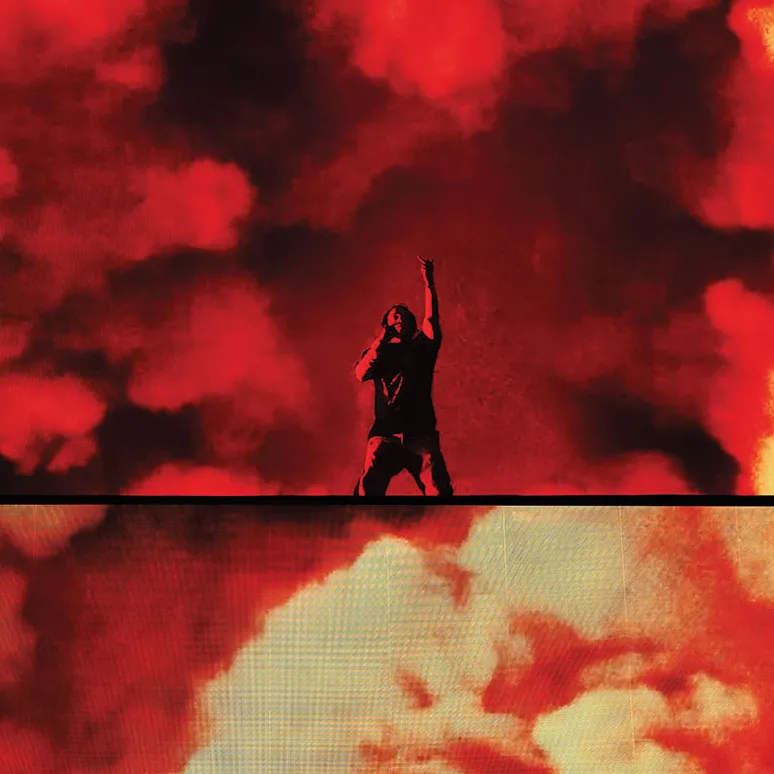
Rehabilitation gets a calendar appointment and an uncomfortable conversation with someone who remembers the event differently.
Modal Path Ethics remains interested.
Explanation Is Not an Exit.
There is a dangerous moment in every successful causal analysis.
You discover why you are like this.
Excellent.
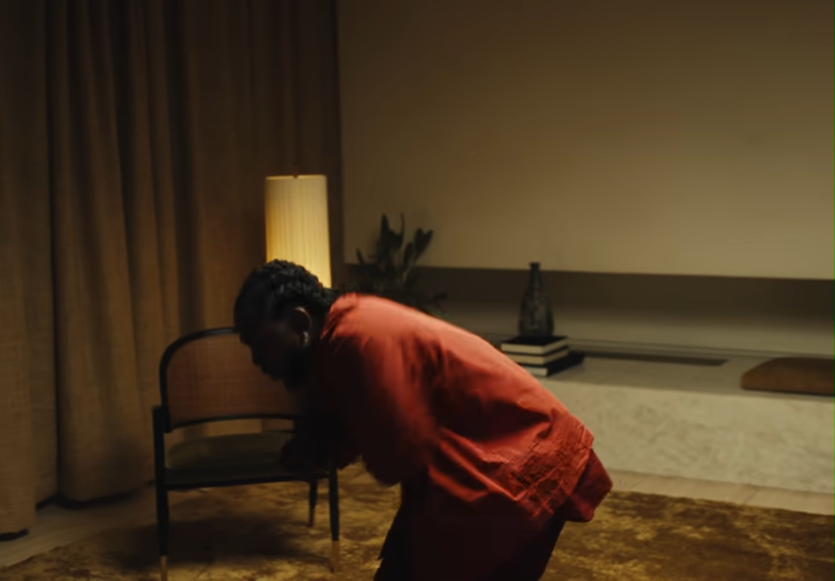
Now there are several very stupid things available to do with the information.
- You can turn explanation into acquittal.
- My father made me this way.
- My neighborhood made me this way.
- History made me this way.
- Trauma made me this way.
- Fame made me this way.
- America made me this way.
- The devil had an unusually full schedule.
- You can also go the other direction and treat the discovered structure as destiny.
- This is simply what I am.
- This is what men are.
- This is what my family is.
- This is what the culture is.
- This is what the world does.
Either route lets the explanation finish the person.
Mr. Morale keeps resisting that conclusion.
The causal account gets larger while responsibility remains.
That is difficult. It is also one of Kendrick's strongest philosophical contributions to this conversation.
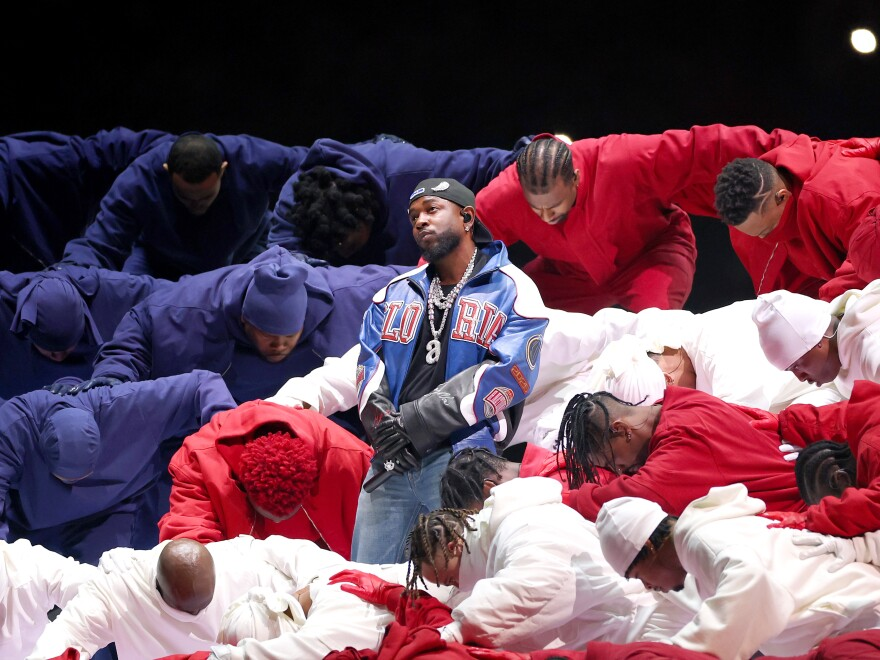
You can become less self-created without becoming less responsible for what happens next.
Modal Path Ethics needs exactly this distinction.
 Aidan Lawson
The framework's book begins from the claim that moral reality is path-structured: an agent acts inside conditions already produced, and those actions then alter what remains reachable.
- Nobody chooses the starting board.
- The move is still a move.
- A repair path cannot require the person to pretend they were never formed.
- It also cannot give the forces that formed them permanent voting rights over every later decision.
- The past gets evidence.
- It does not get the chair.
Modal Path Ethics Already Has Several People Stuck Down There.
The framework has accumulated an unfortunate collection of return problems.
Marty Heidegger dug beneath ordinary ethical language into worldhood, Being, disclosure, technology, authenticity, and historical depth.
 Aidan Lawson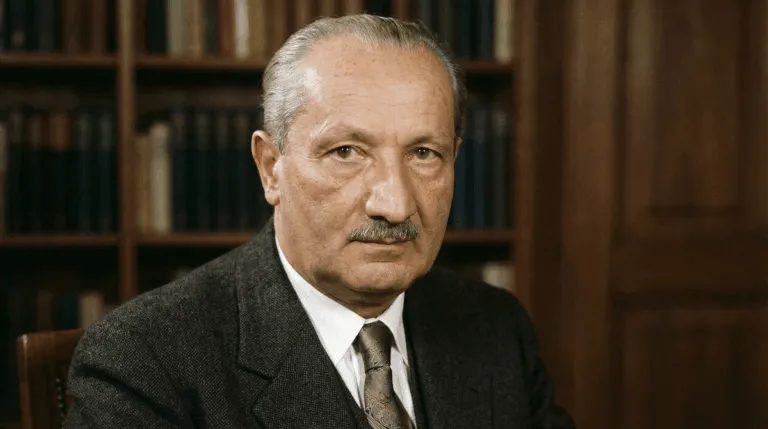
There was real structure down there.
Then the field became Germany in 1933.
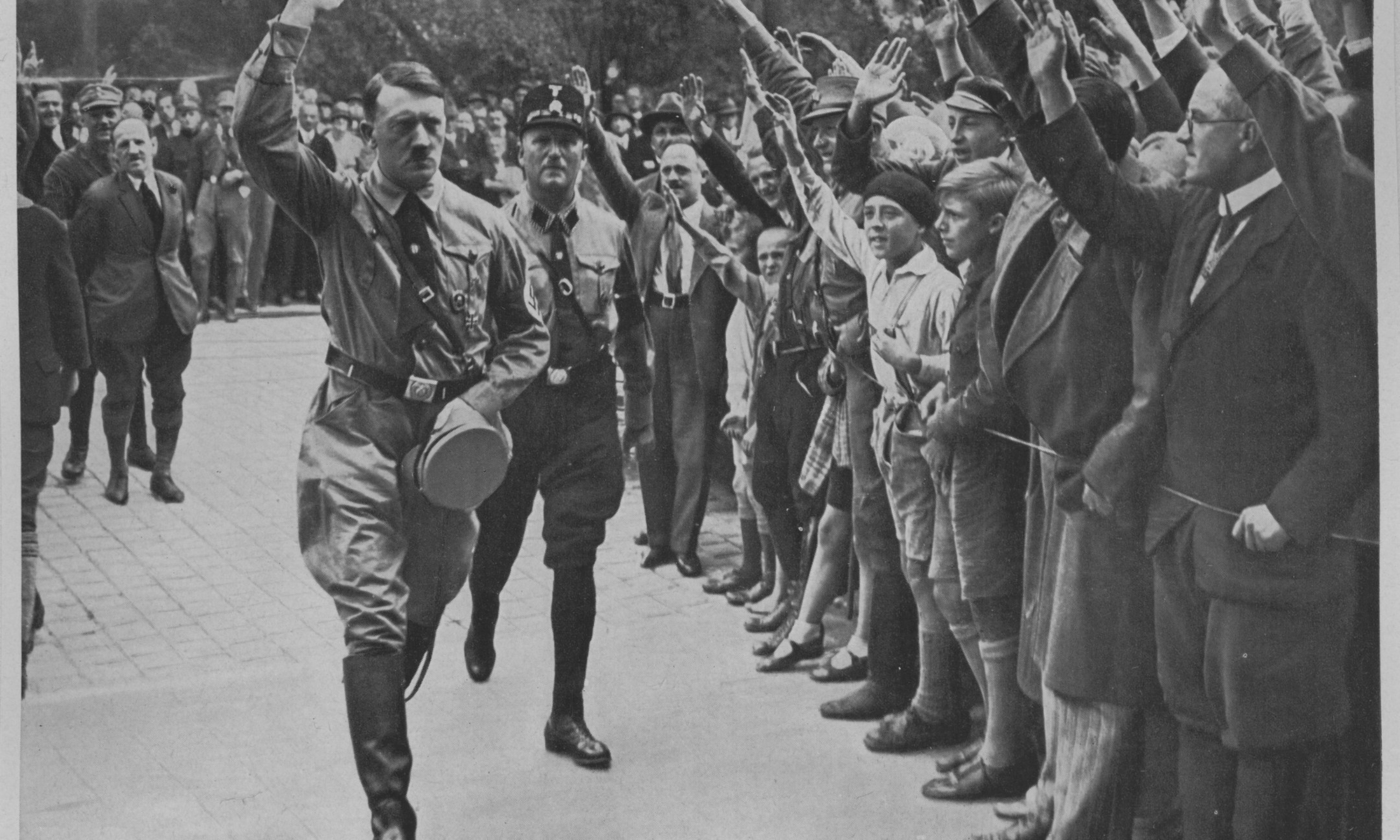
The published ruling eventually had to become embarrassingly simple:
Depth must return.
Heidegger's concepts survived. His depth did not provide moral immunity. Modal Path Ethics kept the hammer and put the rest of this shit under supervision.
Ted Kaczynski found another real structure.
 Aidan Lawson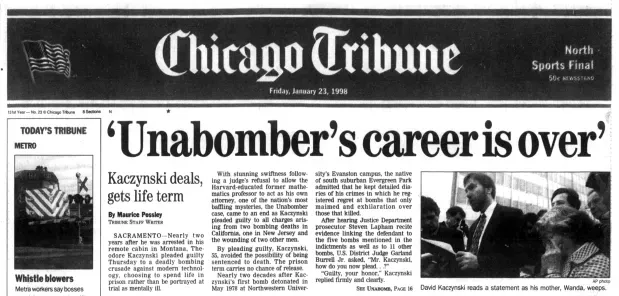
Technological systems can create dependency.
Industrial organization can narrow autonomy.
Large systems can make participation increasingly compulsory.
Then he found his exit:
collapse.
This was notably not an exit for the people standing inside the civilization he intended to collapse.
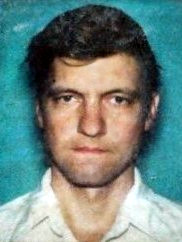
He saw the trap and gave the trap demolition instructions.
Fresh presents the problem from the other direction.
 Aidan Lawson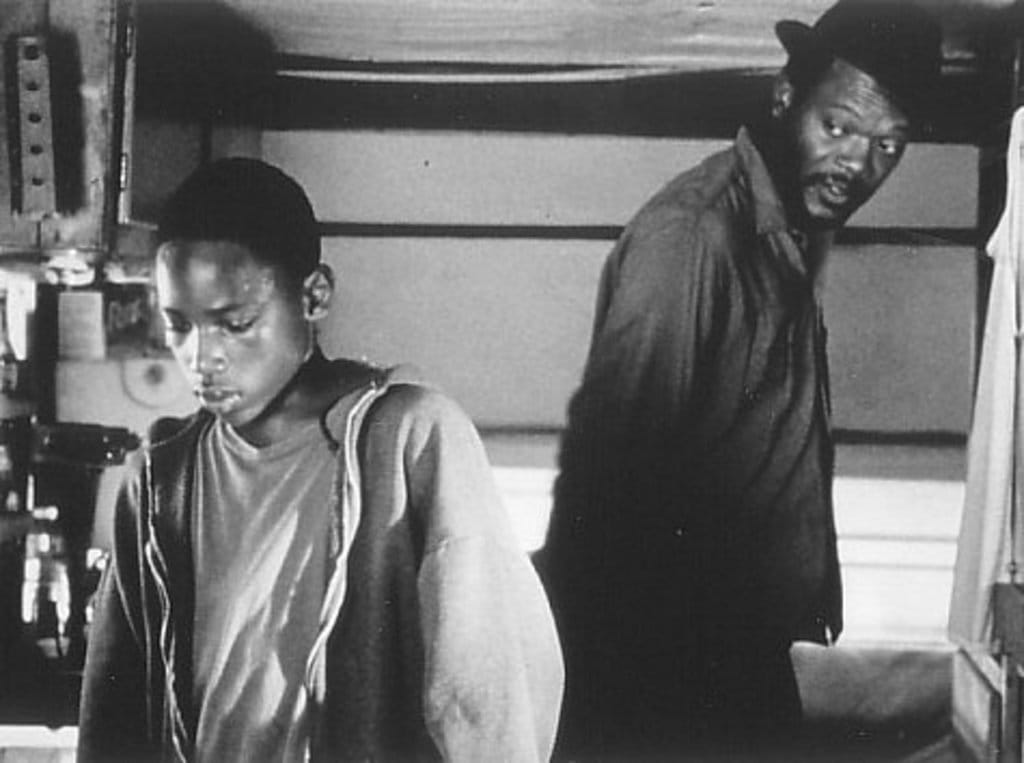
Michael becomes extraordinarily good at reading a predatory field because the field has forced a child to develop intelligence in the shape of danger. Modal Path Ethics described that intelligence as a survival organ. His strategic agency is impressive. The fact that a twelve-year-old needs it is the indictment.
The goal cannot be to preserve the survival organ at maximum activation forever.
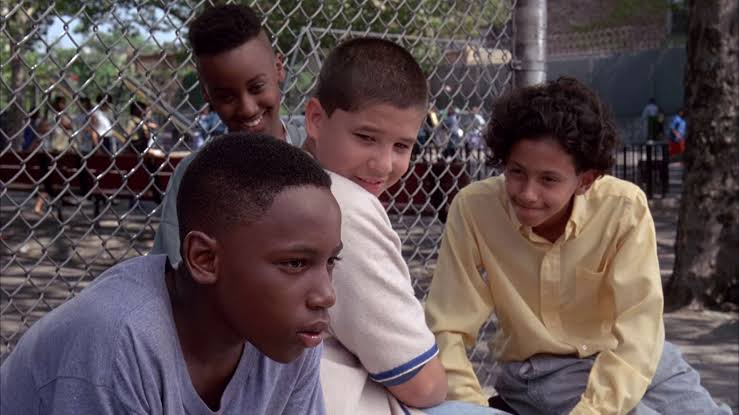
The child has to become reachable again.
Then, there is Hong Xiuquan.
 Aidan Lawson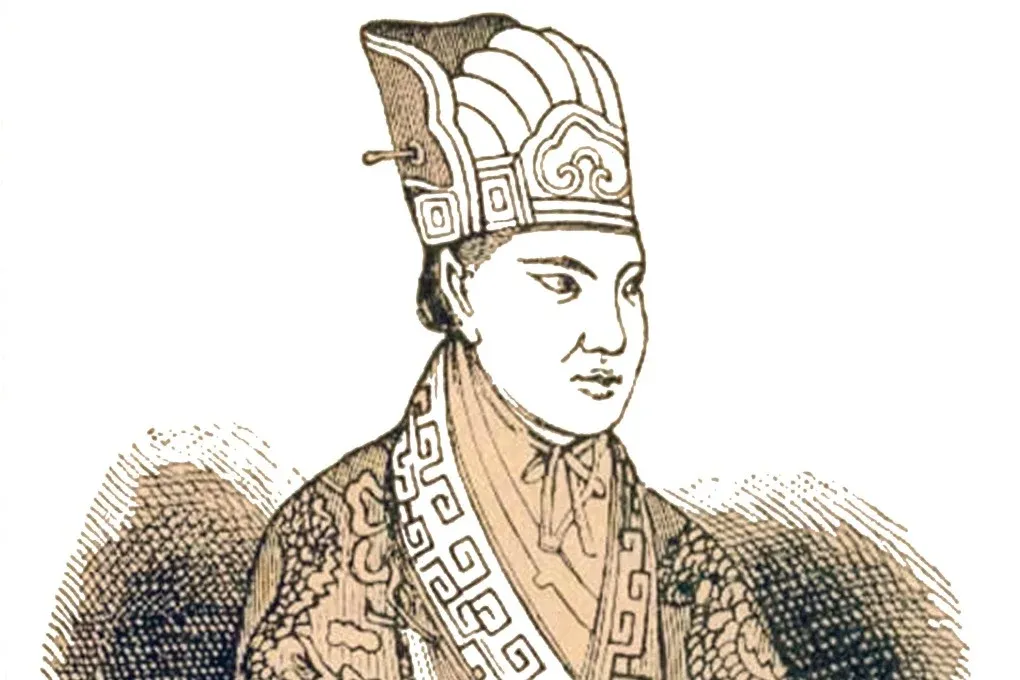
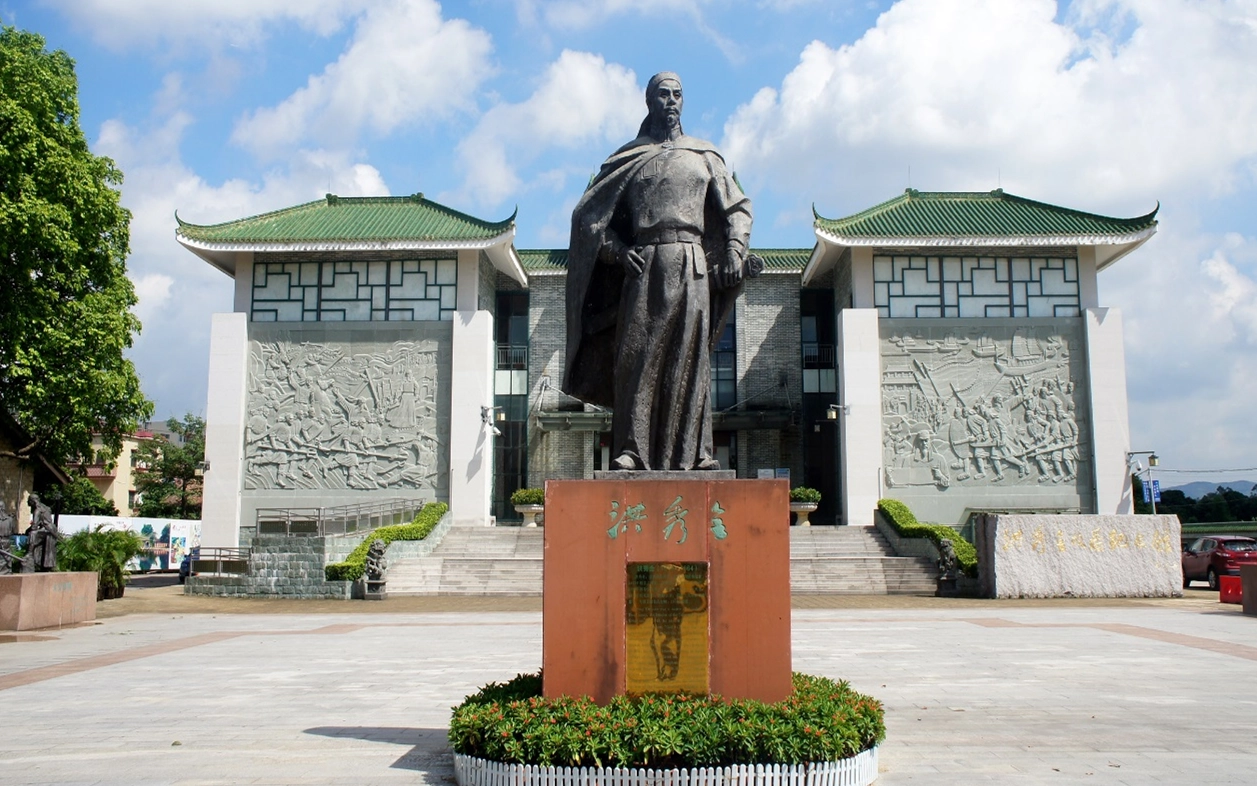
Hong failed examinations, experienced extraordinary visions, later interpreted those visions through Christian material, concluded that he was God's second son and Jesus Christ's younger brother, built a religious movement, and eventually stood at the center of the Taiping Heavenly Kingdom.
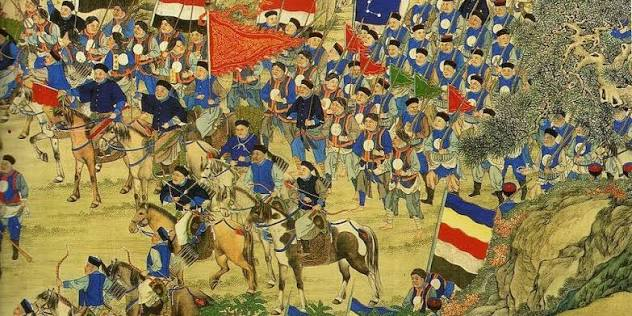
This is admittedly a larger escalation than therapy usually anticipates.
The important part for the Kendrick engagement is earlier.
Hong's interpretation initially opened a path for him. It gave biography meaning, supplied discipline, reorganized humiliation, created mission, and eventually offered a route outside the examination system that had repeatedly rejected him.
Then the interpretation acquired jurisdiction.
- Private meaning became shared doctrine.
- Doctrine became movement.
- Movement became state.
- Doctrine became movement.
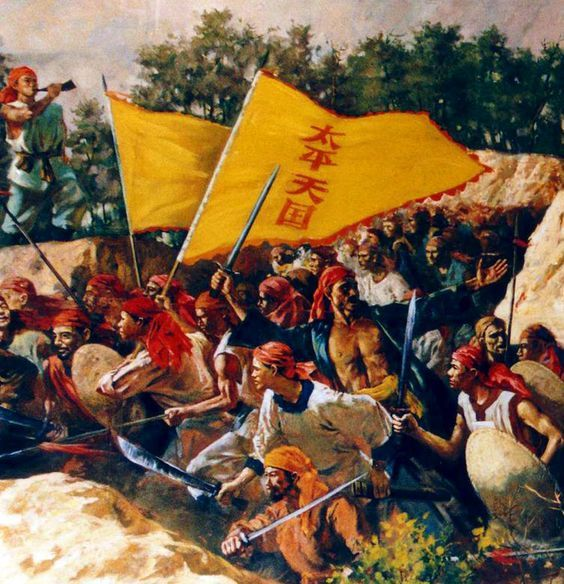
The sacred answer started deciding land, labor, family, punishment, war, authority, and the futures of people who had never experienced Hong's original vision. The current Modal Path Ethics ruling locates the danger exactly there: sacred instruments can return people to extance with greater humility, care, discipline, courage, and repair capacity; the Taiping failure accelerated where contact became unreviewable jurisdiction.
This is a useful boundary.
- A profound explanation of your life can help you return to life.
- It probably should not annex Jiangsu Province.
Sacred Slack.
This is also where Sacred Slack fits.
 Aidan Lawson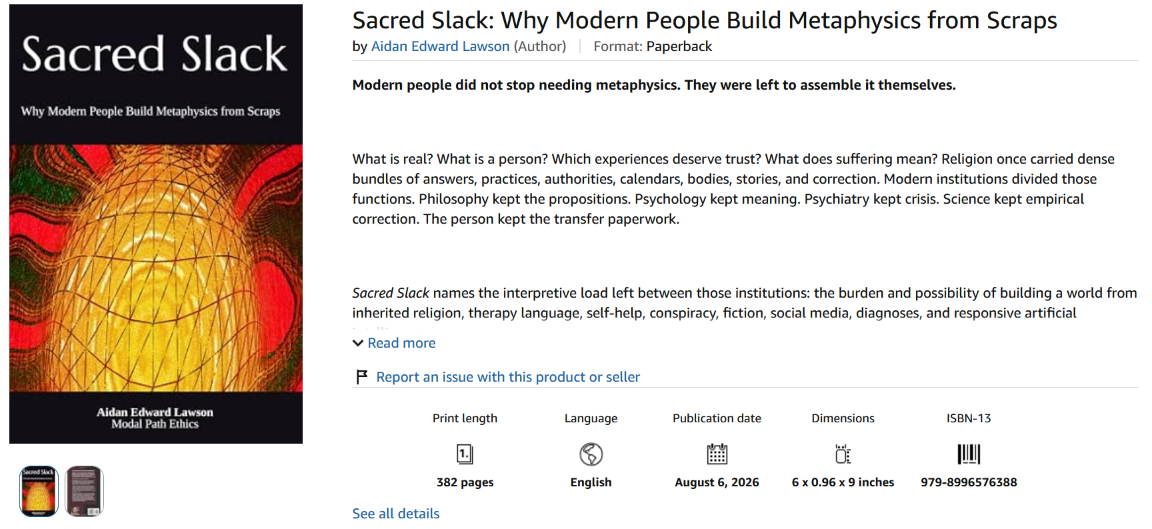
Modern people continue having experiences that exceed the little institutional boxes available to receive them. The person gets several intake forms and the exciting opportunity to coordinate them personally.
Kendrick's work sits comfortably in this gap because it refuses to make one instrument carry the whole load.
- Therapy appears.
- Religion remains.
- God remains.
- Family history remains.
- The body remains.
- Rap remains.
- Love remains.
- Sex remains.
- Money remains.
- Compton remains.
The work does not have to select one sovereign explanation before repair can begin. That is sacred slack doing useful work.
The person can carry unresolved metaphysical and interpretive weight while still returning to ordinary relation.
That last part is the point.
The Children.
Fatherhood gives Mr. Morale its cleanest return condition.
Kendrick told W that becoming a father forced him to confront whether he could let his children become independent people rather than extensions of himself. He connected that directly to ego, judgment, and his treatment of other people.
This is a fun little test because children are extremely resistant to theory.
- A child can become a symbol of legacy.
- A child can become proof that the curse has been broken.
- A child can become the future.
- A child can become the next chapter of the artist's self-understanding.
- The child can also want a snack.
- Eventually the ontology has to deal with this.
- The child can also want a snack.
Another person remains another person.
That is where the return earns its standing.
Kendrick can understand his children as part of a generational path while still owing them the freedom to become loci whose futures do not terminate inside Kendrick Lamar.
The causal story has reached them.
It does not own them.
That may be the cleanest repair in the album.
Then He Goes Back Outside.
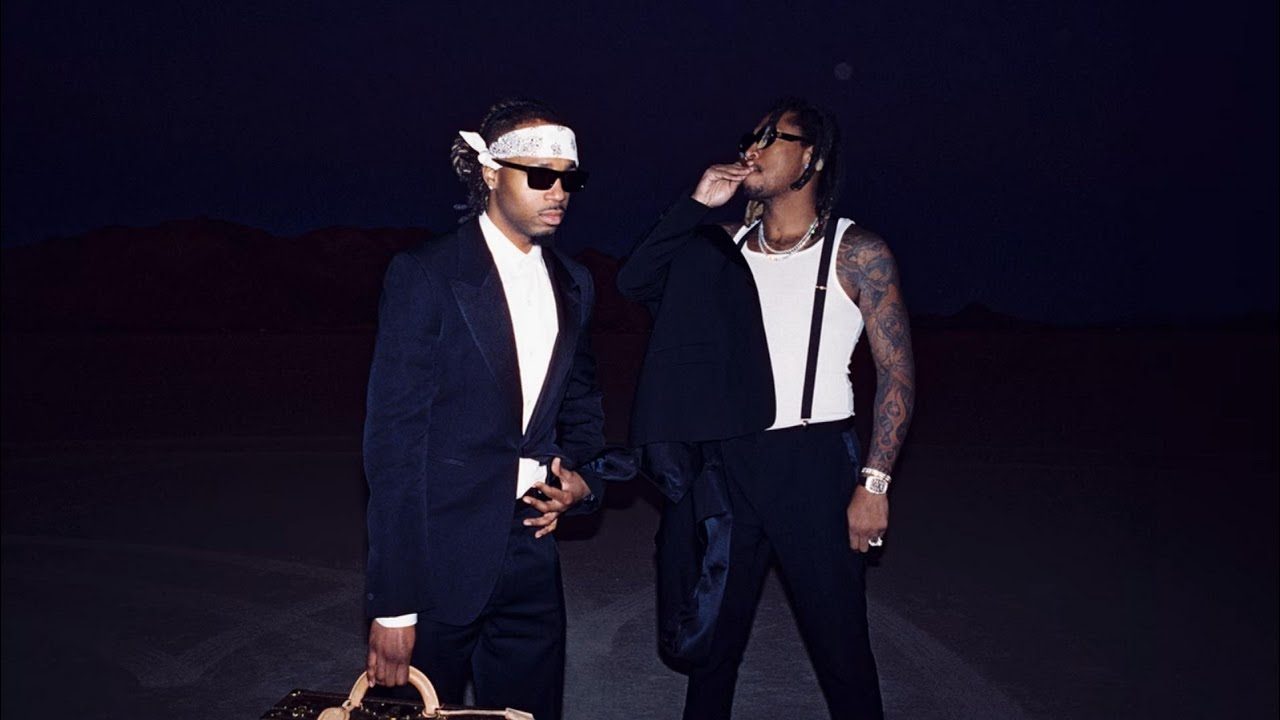
After Mr. Morale, Kendrick Lamar returns to rap competition with the energy of somebody who has apparently completed several years of therapeutic work and would now like to test the warranty.
This is important.
The easy version of rehabilitation ends with peace.
- The person learns the lesson.
- The music softens.
- Everyone goes home.
- The music softens.
Kendrick went back into one of the fields that formed him.
The ancient rap tradition of two adult men discovering that the only available diplomatic channel is an increasingly expensive studio session.
The 2024 conflict matters here as a stress test.
Kendrick's strategic intelligence is ferocious.
He does not stay at the scale of individual insult for long. The contest expands toward artistic identity, industry position, cultural inheritance, geography, audience, and what kind of relationship to hip-hop each participant represents.
That enlargement is one of Kendrick's oldest habits.
- The local object keeps acquiring history.
The important Modal Path Ethical question is what the enlarged reading does once millions of people begin acting through it.
A brilliant analysis can become a weapon.
A public interpretation can contract another person's available identity around itself.
An artist who successfully places an opponent inside a larger cultural story acquires enormous causal reach through the story.
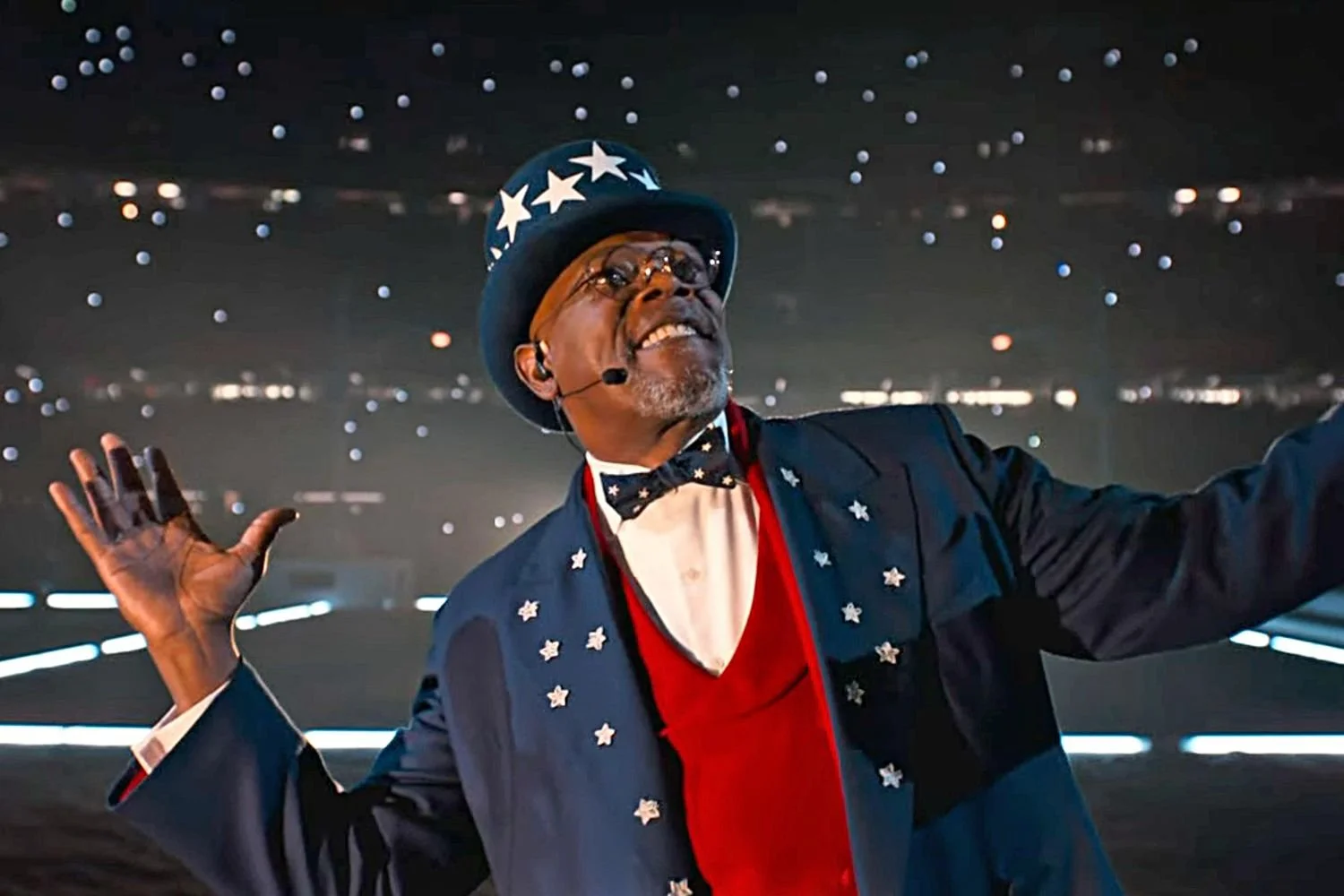
This does not make the reading false.
It means the reading has entered the wider field.
Kendrick came back carrying sharper instruments.
The instruments still need correction.
Rehabilitation does not grant sainthood.
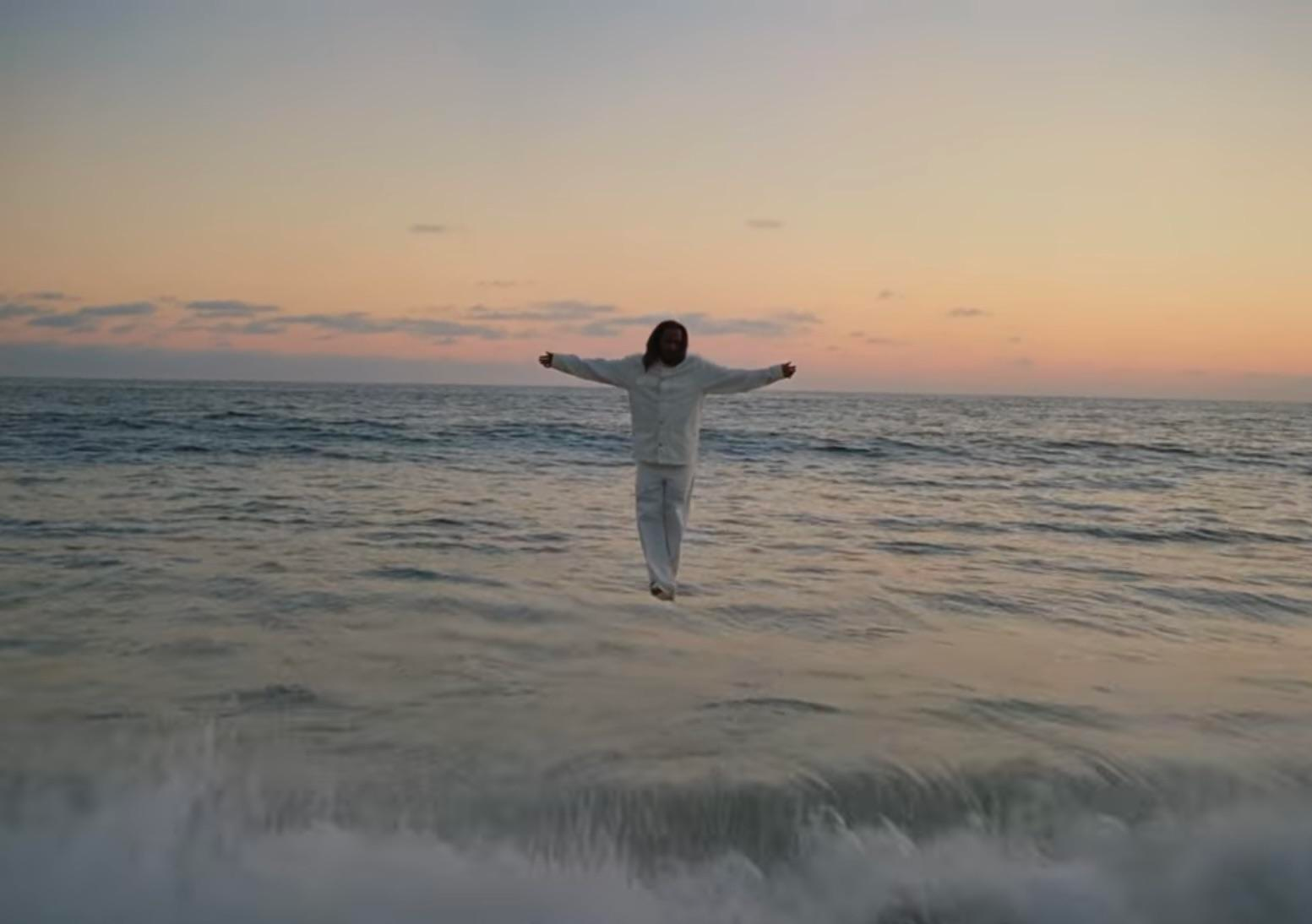
Thank God.
That album would have been terrible.
The Party Is Still There.
The local contest has already produced an obvious public result.
Kendrick immediately starts looking at the machinery around it.
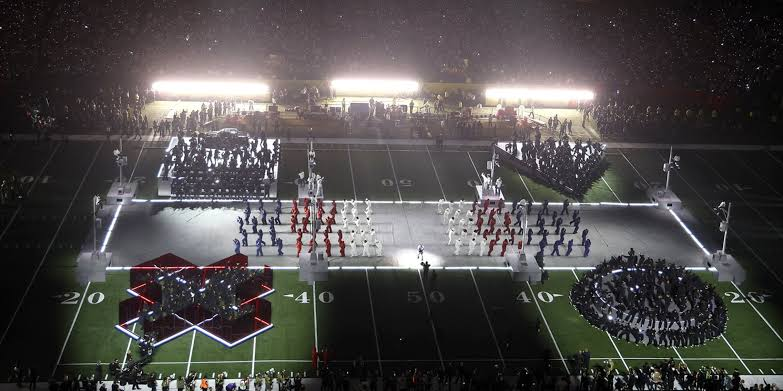
Watch the Party Die widens its disgust toward the music industry and hip-hop culture surrounding the spectacle rather than remaining a victory lap over one opponent. Contemporary analysis recognized the same move: the battle has become an aperture into Kendrick's dissatisfaction with the larger cultural system.
This is where Kendrick and Modal Path Ethics meet especially cleanly.
- Winning the move does not establish that the game is healthy.
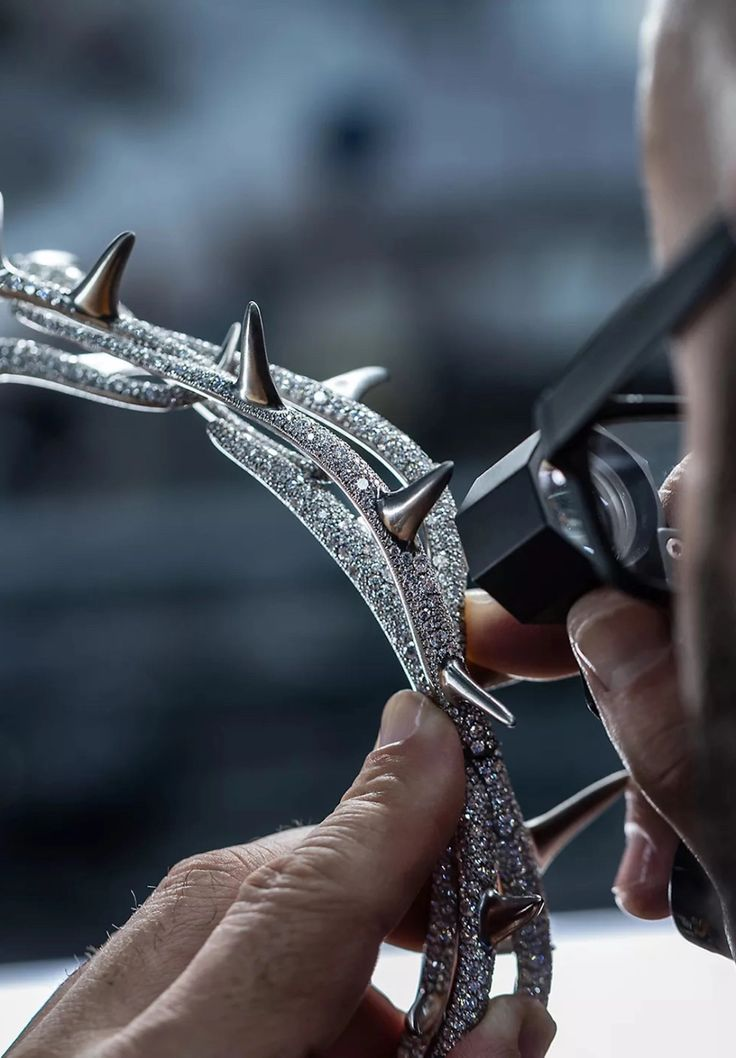
A field can reward the best available strategy and still deserve redesign.
A scoreboard can accurately identify the winner while failing to measure the thing that should have mattered.
The successful player can become evidence about the broken game.
Kendrick does not seem especially interested in stopping at:
I won.
He wants to know why this was the thing everyone wanted to watch.
That question is harder. It also turns back on him.
He participated.
He escalated.
He used the machinery beautifully.
He became its largest event.
Then he looked at the party and asked what the hell everyone was celebrating.
This is a useful habit.
Back to Rap.
Then comes GNX.
Kendrick has explained the transition plainly.
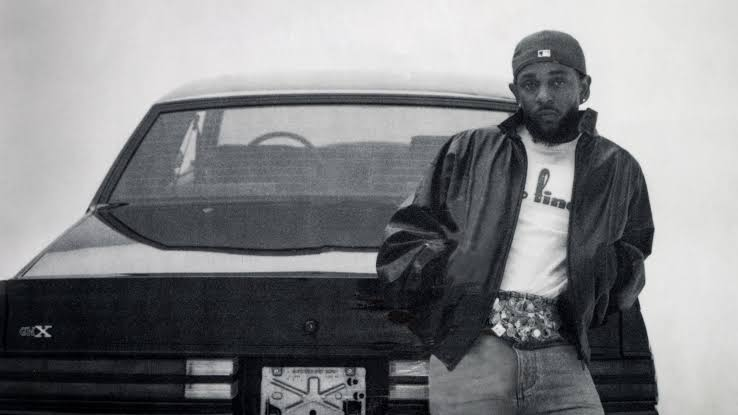
After the intimacy of Mr. Morale, he wanted to return to the bite and grit of rap: hard raps, hard beats, the competitive energy that formed his love of the art in the first place. He called the shift necessary.
There it is.
The return.
- He does not stay inside the therapeutic record.
- He does not reject the earlier rapper as an unenlightened phase.
- He returns to the instrument that was there before the audit.
Rap gets to come home too.
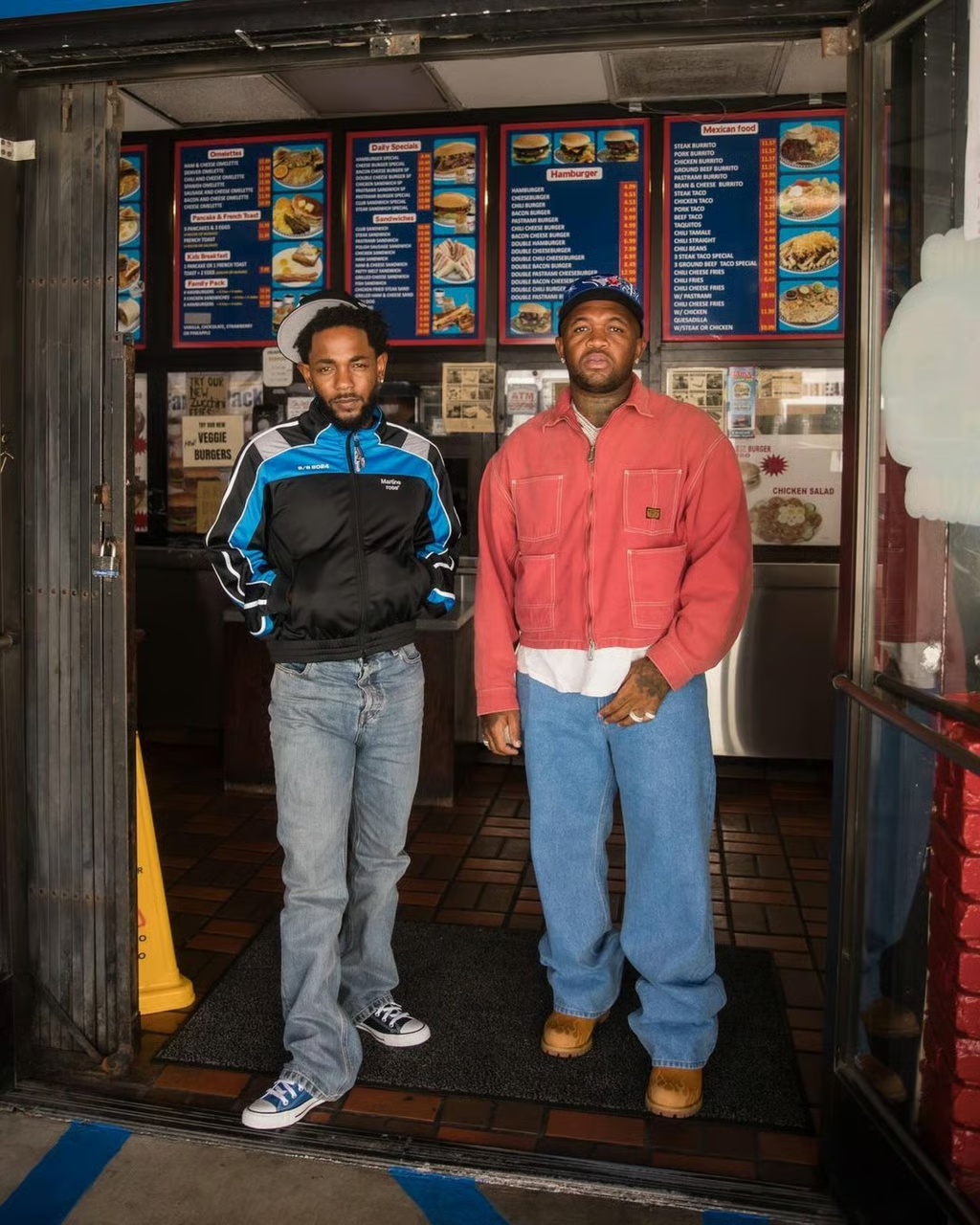
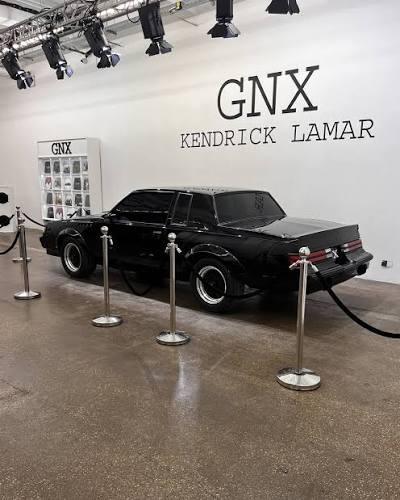
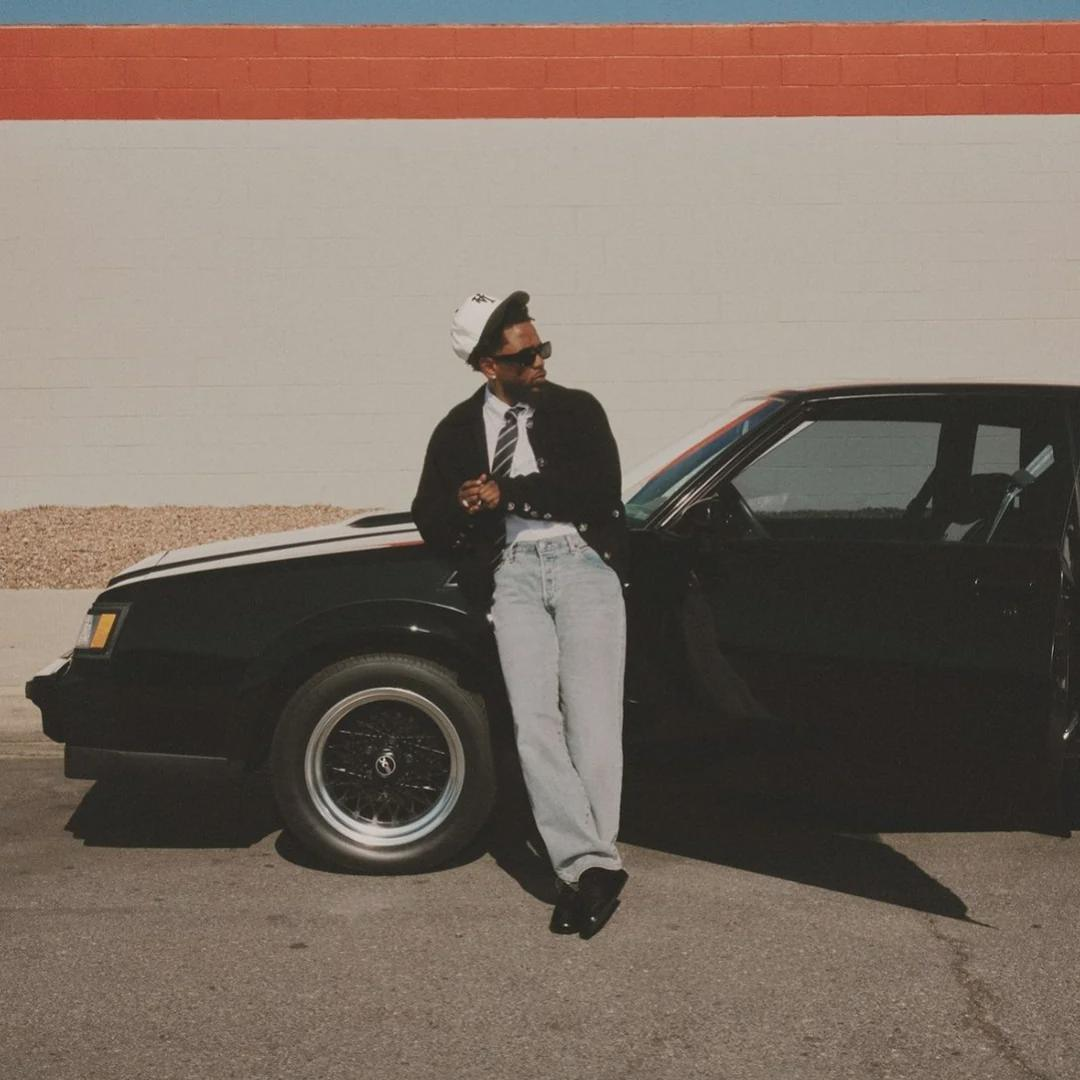
And because Kendrick Lamar apparently considers circularity a basic maintenance requirement, the album is named after a Buick.
His father had driven him home from the hospital in a Buick Regal in 1987. Decades later, Kendrick bought a rare 1987 Buick GNX, put the car on the album cover, and named the record after it.
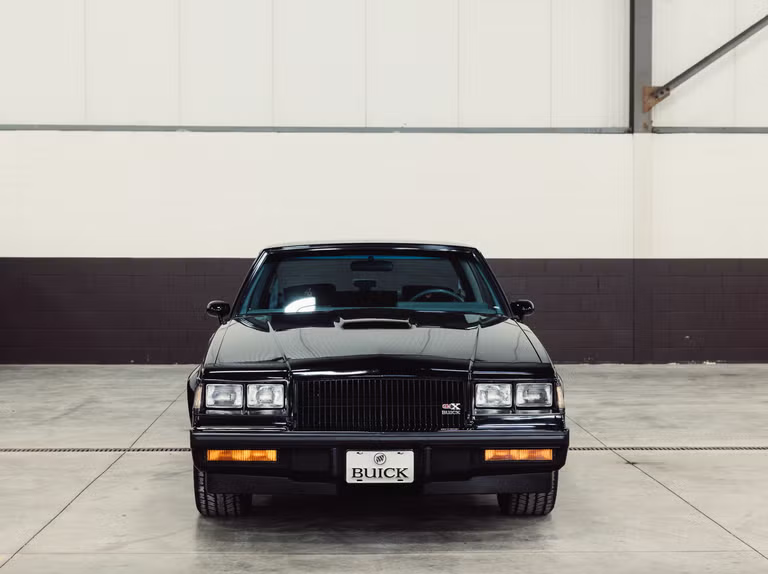
Of course he did.
He begins DUCKWORTH. at the KFC before his birth.
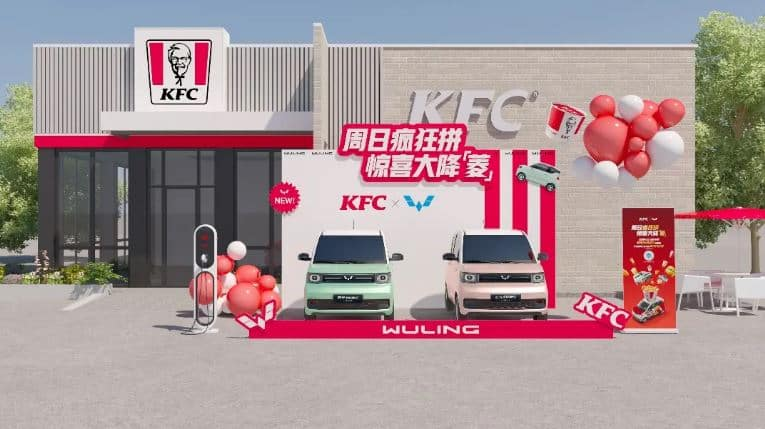
Now the return vehicle has extremely become literal.
You cannot accuse Kendrick Lamar of leaving the family transportation motif underdeveloped.
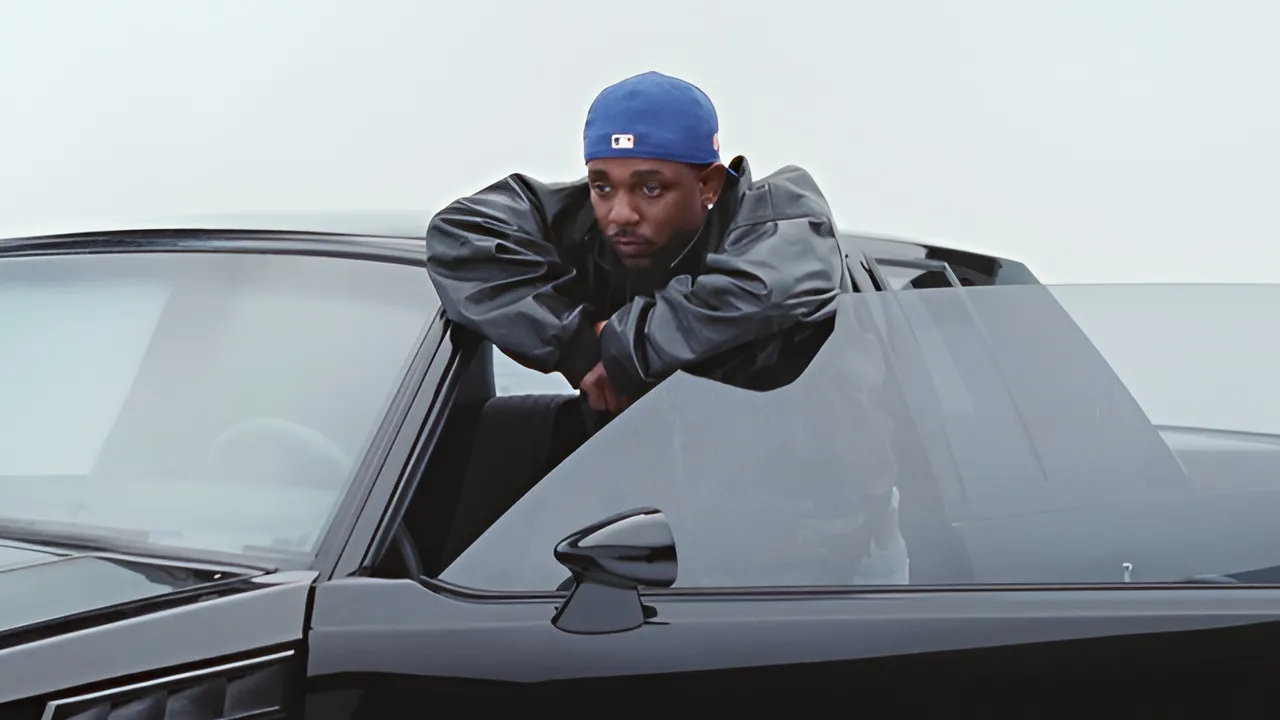
GNX is full of the older pleasures.
The artist has not returned to a cleaned version of himself.
He has returned with more of himself available at once.
Reincarnated.
Then reincarnated runs the whole machine backward again.
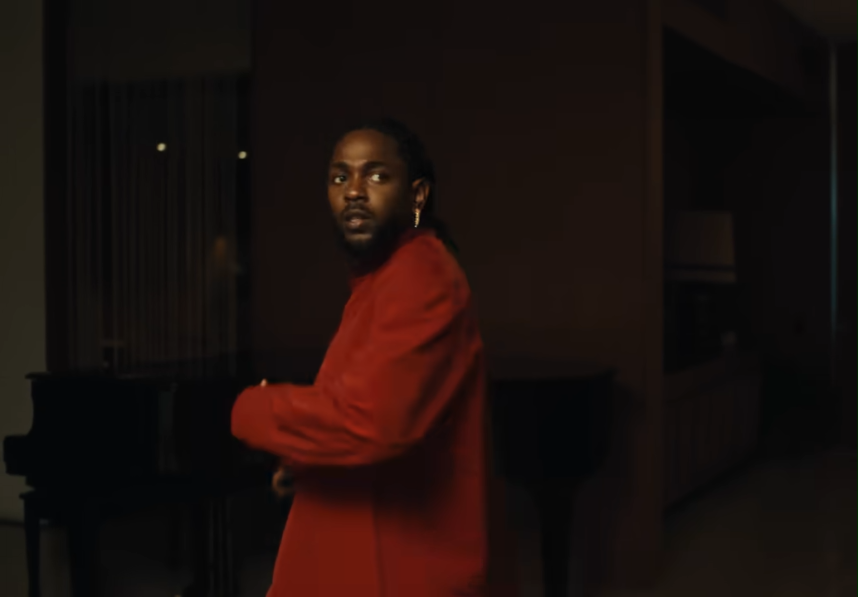
The track imagines earlier artistic lives, moving through Black musical history before arriving at Kendrick's present vocation and finally into a confrontation with God.
The production invokes Tupac directly. Critics have read the song as a construction of artistic lineage across Black musicians, fame, addiction, gift, exploitation, and the recurring danger surrounding extraordinary creative capacity.
Modal Path Ethics has no need to settle reincarnation in this article.
That would be a spectacular waste of a Kendrick Lamar song.
The structure is enough.
The present artist understands himself through prior lives, whether those lives are received as metaphysics, artistic lineage, imaginative identification, sacred history, or several of those at once.
The earlier artists become active inside the present question:
- What are you going to do with the gift?
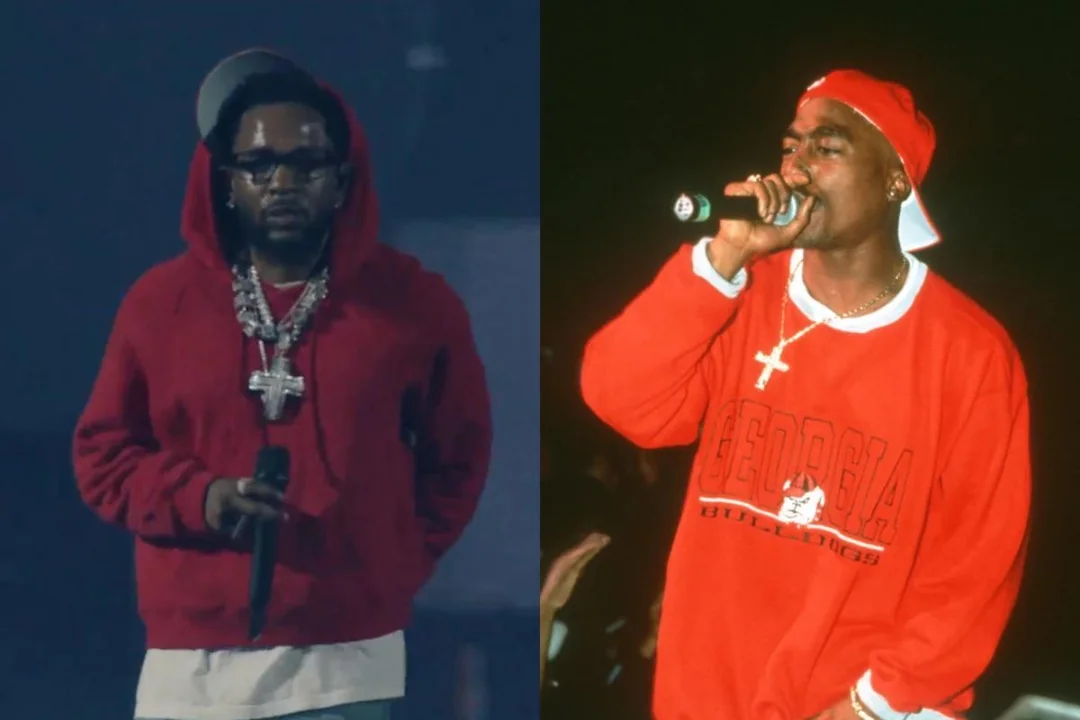
That connects reincarnated beautifully back to DUCKWORTH.
DUCKWORTH. asks:
- What past had to occur for Kendrick Lamar to become reachable?
reincarnated asks:
- What past is still acting through Kendrick Lamar now?
Mr. Morale sits between them asking whether inheritance has to become destiny.
What Kendrick Adds.
Modal Path Ethics has a lot of language for repair.
Kendrick adds something more specific.
Return.
The return is the recovery of ordinary agency after discovering how thoroughly the ordinary self was produced.
That is not the same thing as ignorance. The person does not go back to believing they sprang fully formed from their own preferences.
They know the path. Then they act anyway.
This is philosophically serious because causal understanding can easily become its own trap.
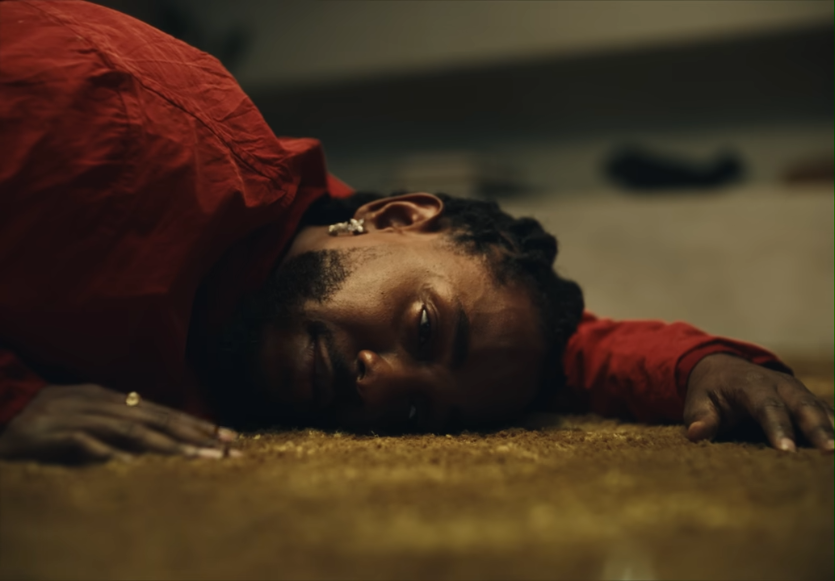
The more completely a person explains themselves, the easier it becomes to disappear inside the explanation.
Kendrick keeps refusing disappearance.
Then, apparently dissatisfied with the amount of returning already achieved, he writes a song called reincarnated.
Point made.
What Modal Path Ethics Returns.
Modal Path Ethics gives the return a structural test.
What became reachable again?
- Can the person relate without repeating the inherited role?
- Can the child become different?
- Can the family tell a new truth?
- Can the artist use aggression without making aggression sovereign?
- Can sacred experience remain sacred without gaining unreviewable authority?
- Can history remain active without becoming a sentence?
- Can the analyst explain the field without converting everyone inside it into pieces of the explanation?
- Can someone know why they became this person while preserving the ability to become somebody else?
That final question is the important one.
Modal Path Ethics has DoubleVision for exactly this reason.
 Aidan Lawson
- One eye sees the field that formed the person.
- The other sees the person still standing there.
- Close the first and everything becomes blame theater.
- Close the second and the ontology eats the people.
Kendrick's work survives because he keeps looking both ways.
- The causal field becomes enormous.
- Then someone still has to go home.
The Ruling.
Kendrick Lamar is an interlocutor. That's pretty much it.
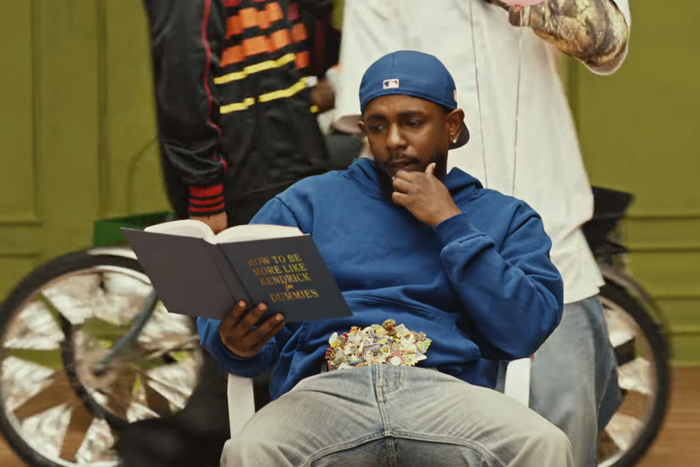
He has spent much of his career tracing the paths that produce persons, families, communities, artists, enemies, inheritances, and public roles.
DUCKWORTH. gives the project its cleanest origin.
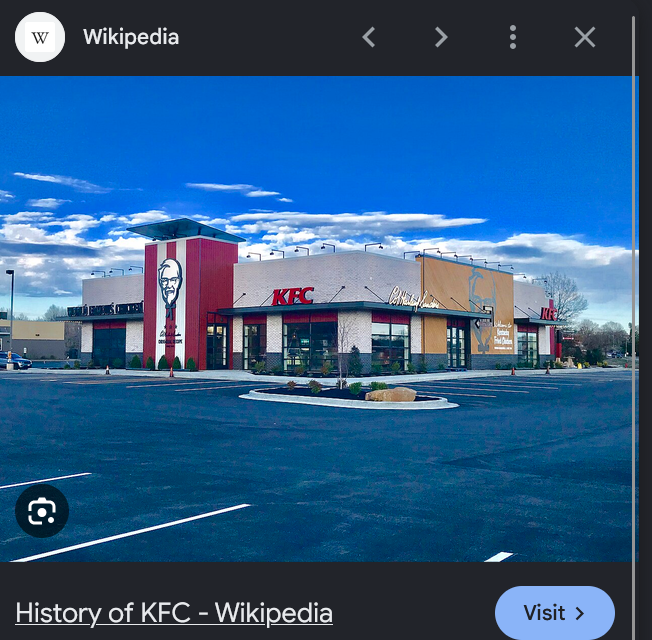
- A man decides how to behave toward another man at a KFC.
- A gun does not fire.
- A future remains reachable.
- A child is eventually born.
- The child grows up in Compton.
- Compton enters the music.
- The music carries him out.
- Success gives him another field to survive.
- The public Kendrick becomes heavy.
- He turns around.
- The public Kendrick becomes heavy.
- A gun does not fire.
Mr. Morale & the Big Steppers runs backward through the person carrying the name: fatherhood, masculinity, sex, grief, family secrecy, violence, religion, fear, shame, inheritance, love.
- The causal account gets larger.
- Responsibility remains.
Then he comes back.
- Rap is still here.
- So is Los Angeles.
- Competition, too.
- God.
- The family.
- The car is definitely still here.
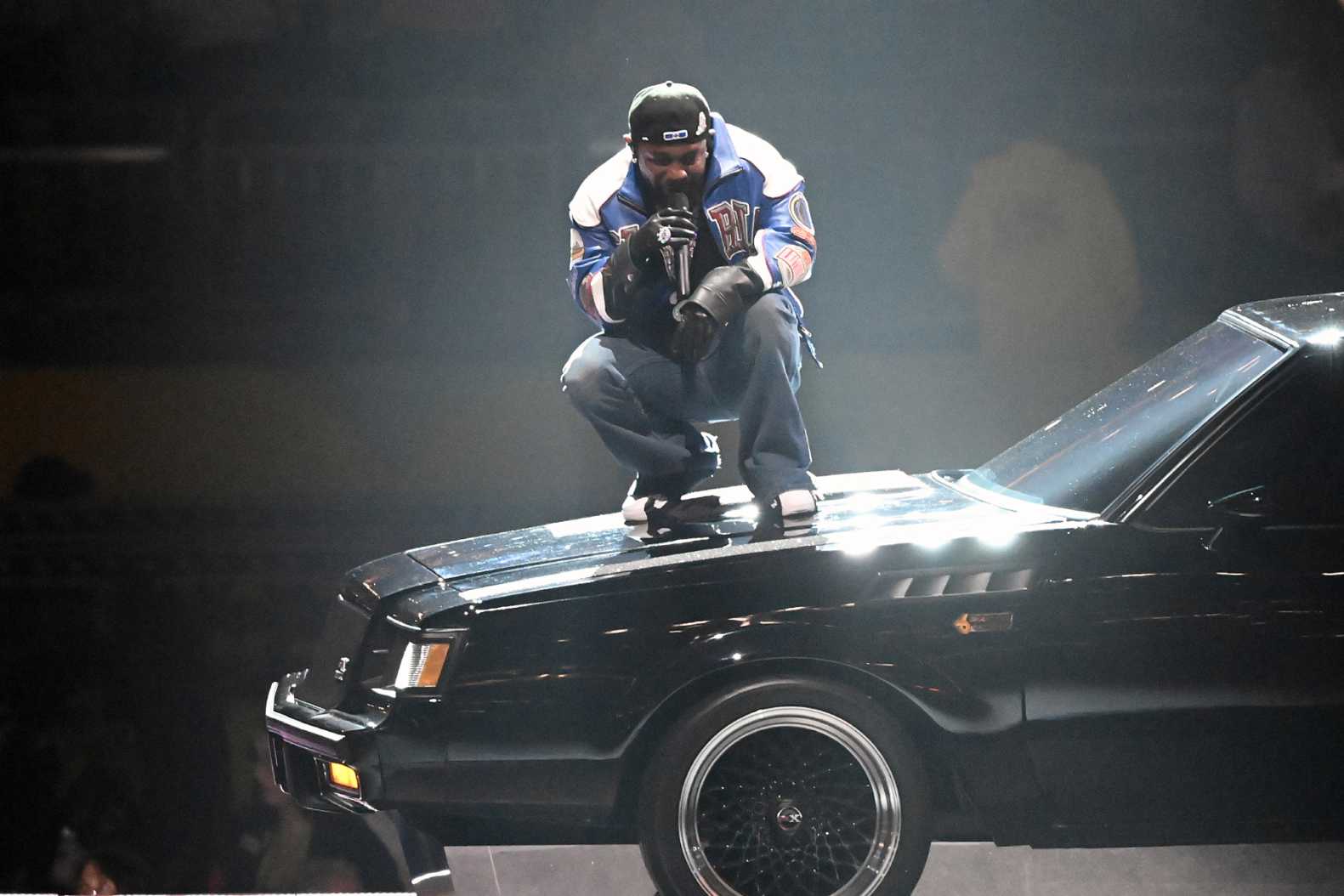
And reincarnated starts the backward movement again, because apparently one successful genealogical audit was never going to satisfy this man.
Modal Path Ethics has seen several failures of return.
- Marty found a deeper floor and lost the fucking ladder.
- Ted found a trap and tried to destroy the fucking building.
- Hong found Heaven and eventually gave it a government.
- Fresh learned to see the whole board because the adults had left a fucking child no safer way to live.
- Kendrick keeps pressing on another possibility.
- Find the path.
- Name what formed you.
- Carry what remains true.
- Repair what can be repaired.
- Refuse the explanations that want to become destiny.
- Then go back outside.
- Find the path.
- Kendrick keeps pressing on another possibility.
The path explains you.
It does not get to finish you.