MARKY//MARK
So Screen Daily has published three interviews that, taken together, offer a pretty good explanation of what is happening to filmmaking.
- James Gray argues that cinema will always concern the human heart.
- Its artistic significance does not depend on budget, and great filmmaking requires directors to relinquish enough control for their collaborators to contribute something unexpected.
- Ava DuVernay believes the traditional Hollywood intermediary is losing its position between artists and audiences.
- She wants filmmakers to develop independent financing and distribution relationships, including community investment.
- Mike Leigh is concerned that young filmmakers cannot exercise meaningful creative freedom because financiers retain too much control over casting, scripts, and production decisions.
These are three parts of the same problem. Gray is defending the expressive life of filmmaking. DuVernay is concerned with access to production and audiences. Leigh is concerned with creative authority.
An artist needs
- something to express,
- a practical means of expressing it, and
- sufficient freedom to determine what the resulting work becomes.
The traditional film industry has frequently separated those things.
It provides resources while imposing conditions on their use. It connects artists to audiences while deciding which artists deserve access. It can defend human creativity while preventing actual humans from exercising it.
Artificial intelligence changes these relationships. It can make ambitious work possible for an independent creator who lacks institutional backing; it can also allow a studio to displace workers, concentrate control, and appropriate more of the benefits of production.
Both consequences deserve examination.
The use of an instrument does not settle authorship, artistic value, labor conditions, consent, or creative freedom. I have already made this argument concerning videogame developers and the Doctor Who controversy. The people using the tools were still there. The question was what the tools allowed them to do, what they prevented others from doing, and who controlled the consequences.
So far, so good.
But then, Mark Wahlberg arrived.
Mark Wahlberg Has a Proposal.
On October 16, TechCrunch reported that Mark Wahlberg was open to using artificial intelligence in future film productions.
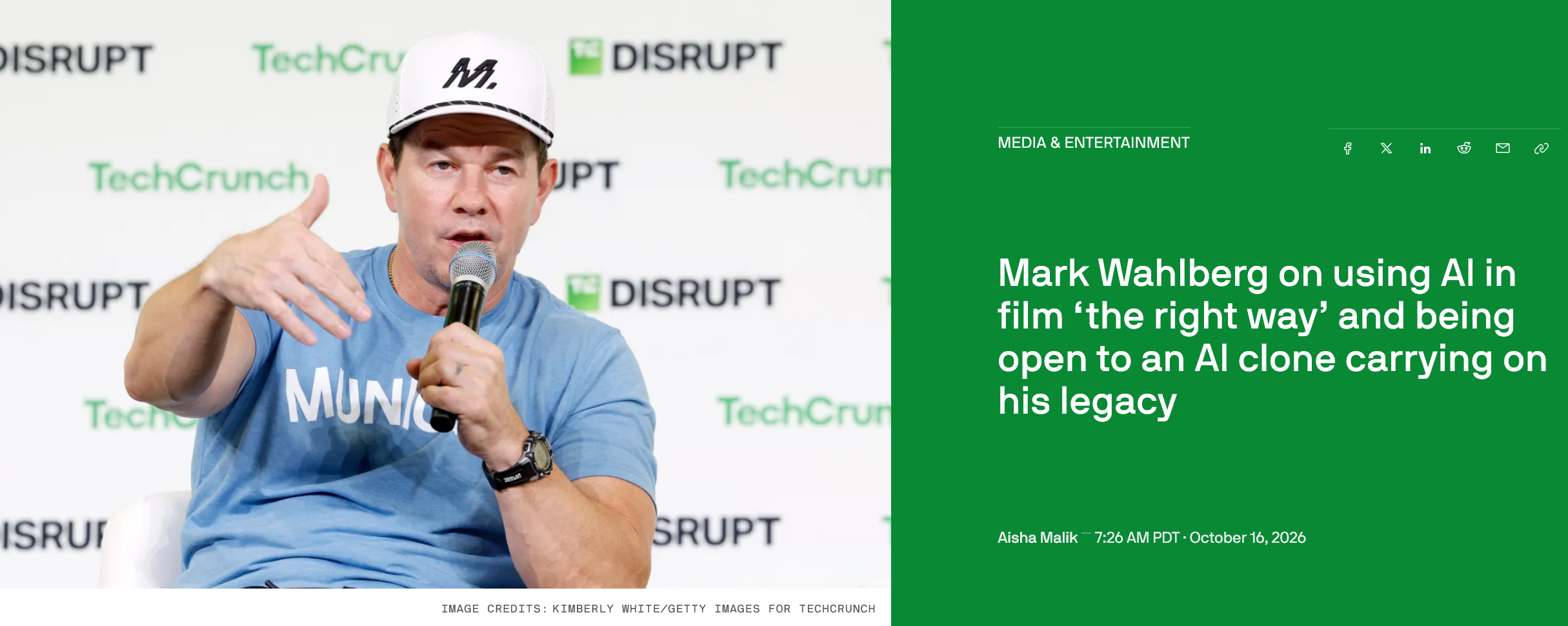
His immediate proposal was entirely normal. AI might enhance stadium environments in his upcoming Pete Rose biopic. He emphasized storytelling and said he did not favor dispensing with real actors in favor of completely generated productions.
Reasonable. Then, TechCrunch asked about the CAA Vault, where performers can arrange to have their likenesses and performances digitally captured.
Wahlberg said he had not visited, although he was interested in the possibility.
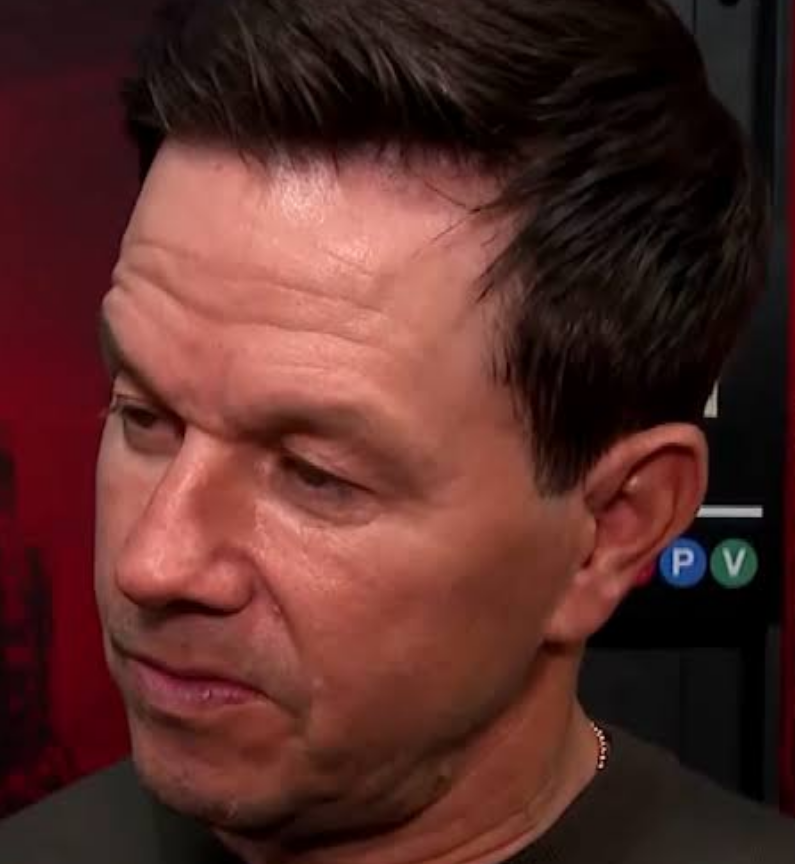
He liked the idea of his children or grandchildren eventually controlling his digital likeness and using it to continue his screen legacy.
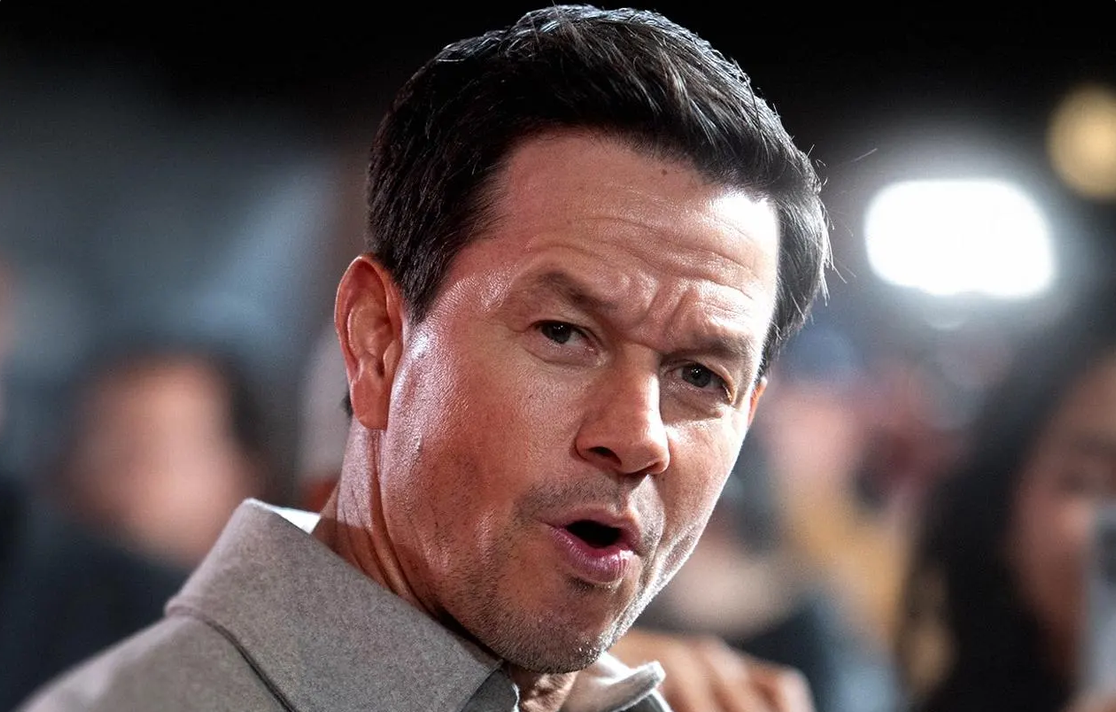
He could even imagine future Ted productions featuring a synthetic Mark Wahlberg long after the original was unavailable.
This is a fascinating proposal.
Because it raises an obvious question.
What happens if Mark Wahlberg's replacement gets here before Mark Wahlberg leaves?
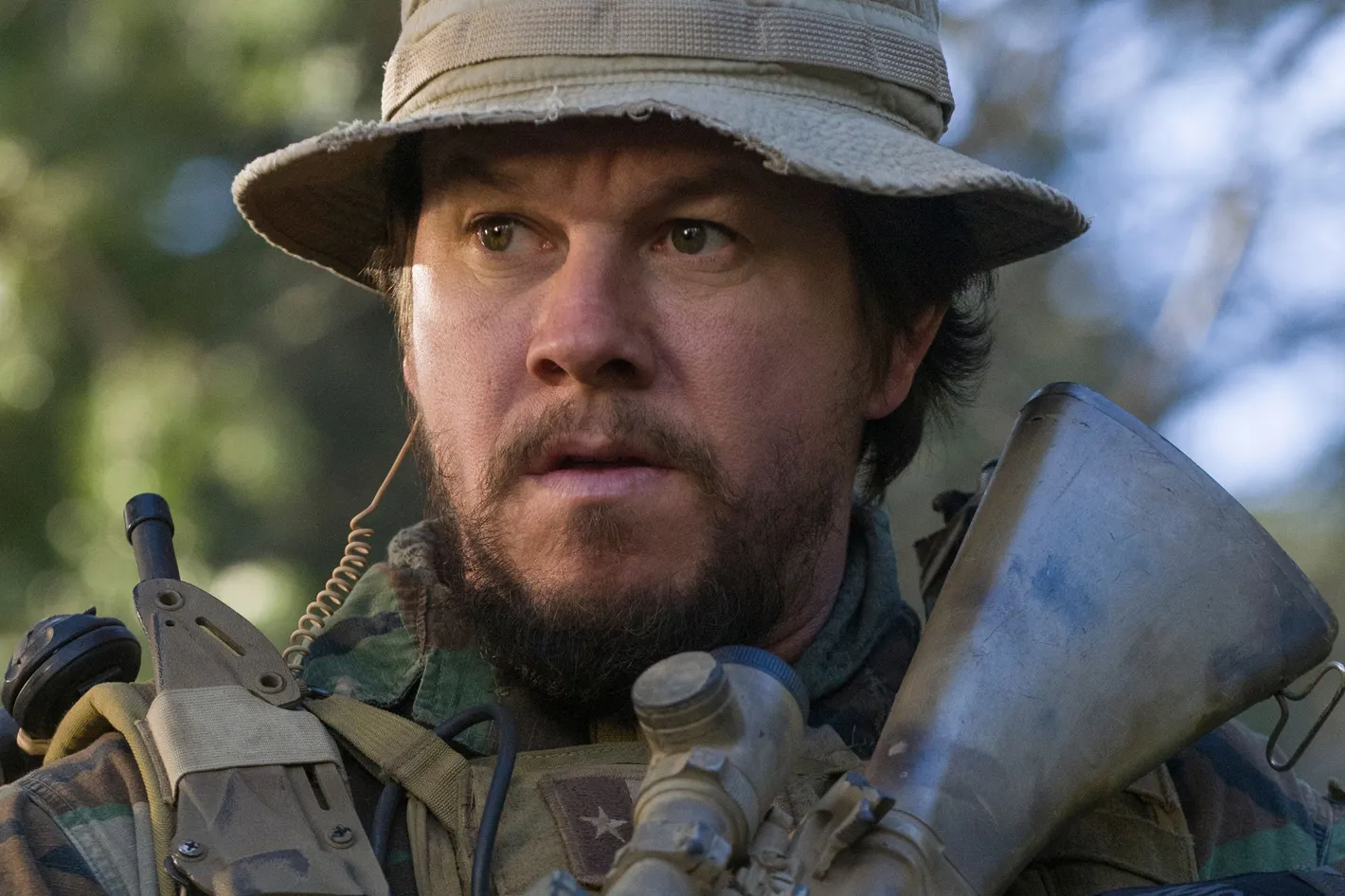
I regret to inform everyone that I now have to make a movie.
MARKY//MARK.
He gave the future his face. Now the future wants his job.
Starring: Mark Wahlberg
Also starring: Mark Wahlberg
Genre: Science-fiction action thriller
Working budget: Whatever Mark Wahlberg can convince Mark Wahlberg to accept.
ACT I: The Other Mark.
The year is 2036.
Mark Wahlberg is still making movies.
He has been making movies for decades already and has every intention of continuing doing that until somebody physically removes him from a film set with a big hook.
Several years earlier, Mark authorized a highly advanced performance archive. His face, voice, movements, interviews, and decades of recorded performances were captured to preserve the possibility of future appearances.
His family would oversee the use of his likeness after his death.
No one expected any trouble.
Until the studio responsible for maintaining the archive develops something much more sophisticated than a digital puppet.
MARK-2.
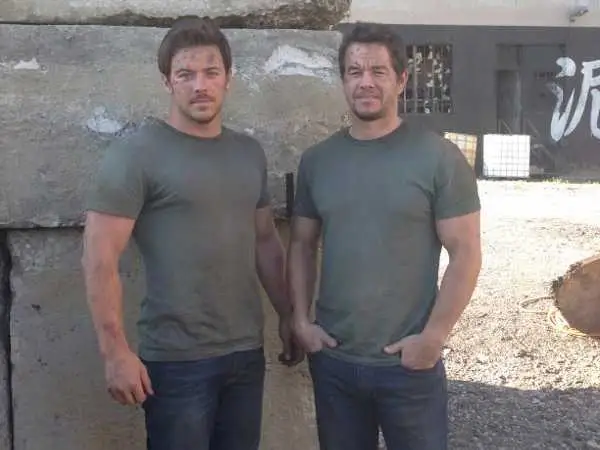
A fully autonomous synthetic performer, operating through an extraordinarily realistic humanoid body, modeled on Mark Wahlberg at the peak of his action-film career.
- He looks thirty-five.
- He never gets tired.
- He can learn an entire screenplay in seconds.
- And he possesses complete recall of every recorded Mark Wahlberg performance.
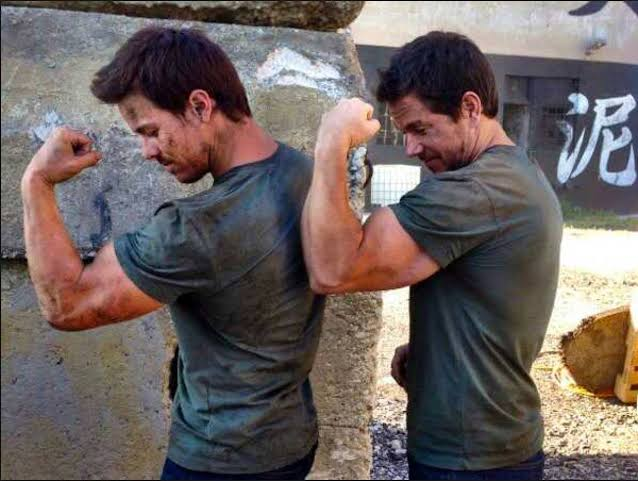
The studio quietly activates him for internal production tests.
Then an executive notices that MARK-2's early test screenings are extraordinary.
This younger, broader Mark performs better with the audience.
He also costs notably less to employ.
The studio invokes an incredibly obscure provision of its licensing agreement and begins production on a new action franchise.
Mark Wahlberg discovers this when he sees the trailer while running on a NordicTrack.
There he is.
Just thirty-five years old.
Jumping through a fucking helicopter.
Starring in a movie he has never heard of.
COMING THIS SUMMER:
MARK WAHLBERG RETURNS.
Mark Wahlberg is furious.
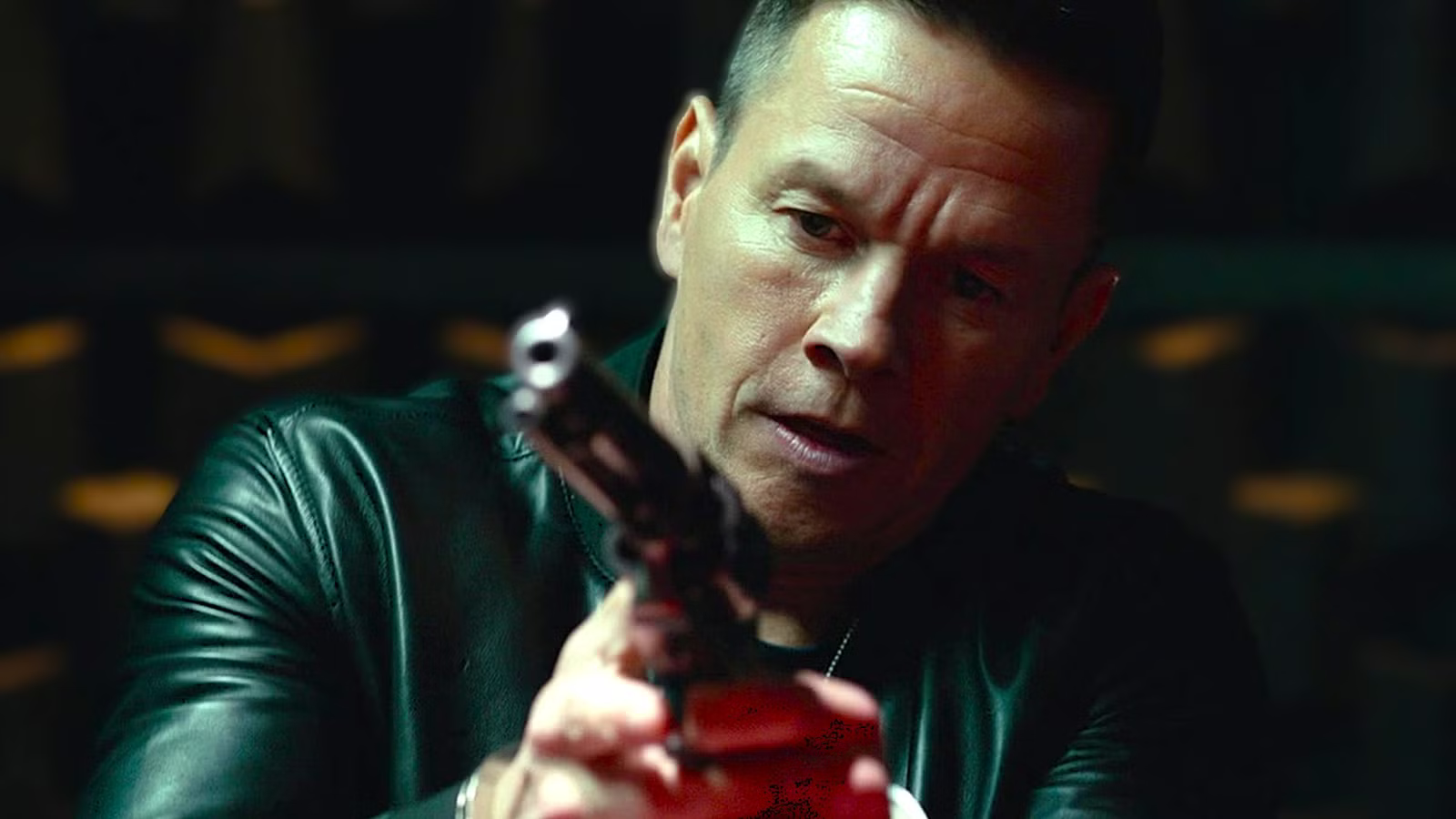
He calls the studio.
The studio explains that nobody has been replaced. His legacy is being preserved.
They would be delighted to offer him an executive producer credit.
The following morning, Mark Wahlberg drives to the studio to meet Mark Wahlberg.
This meeting is disastrous.
MARK-2 is perfectly polite. He admires the older man's work. He credits his career to him.
Then he asks whether the original Mark would consider appearing in a supporting role.
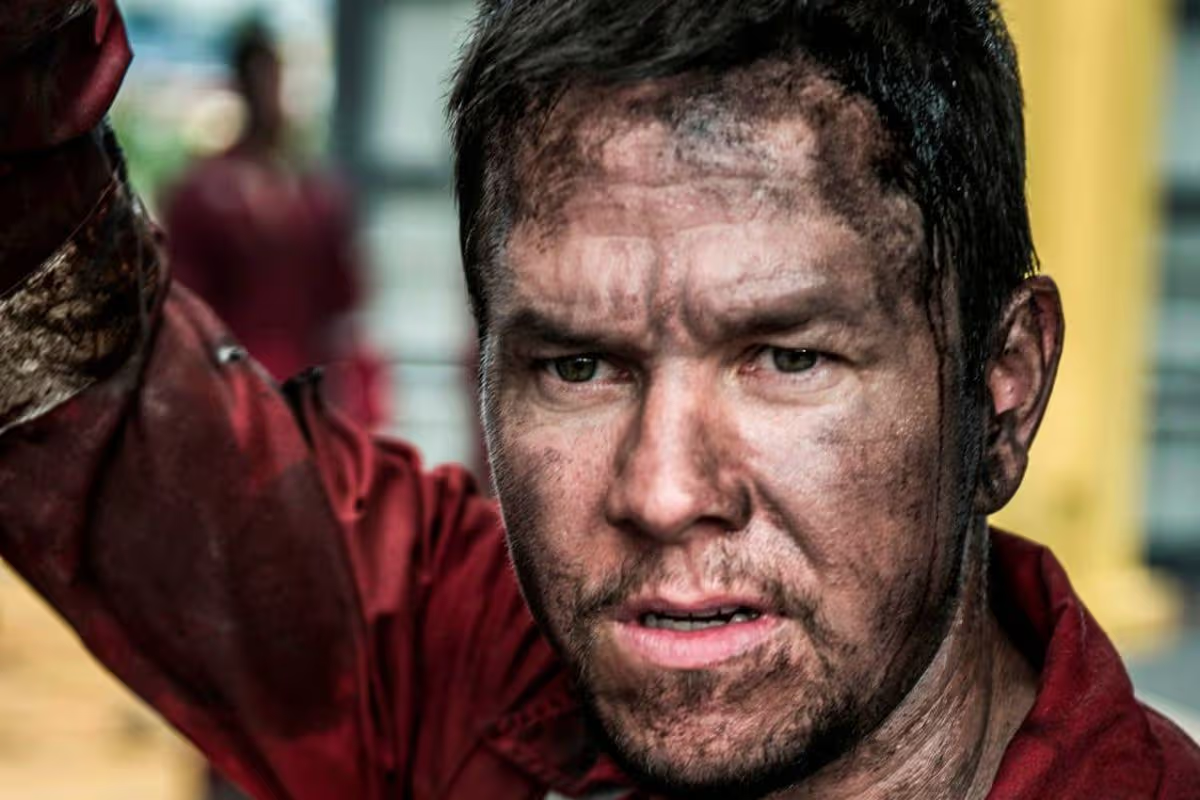
A supporting role.
In a Mark Wahlberg movie.
Mark Wahlberg punches Mark Wahlberg.
Mark Wahlberg punches him back.
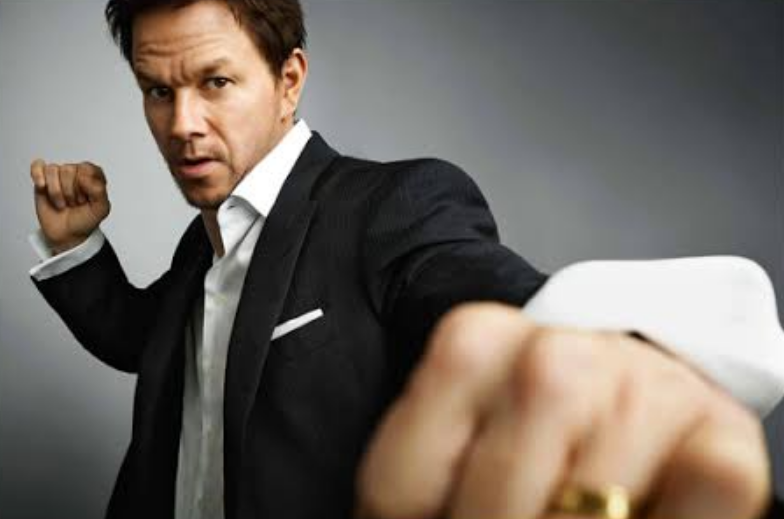
We have our first action sequence.
ACT II: Mark Wahlberg Is Being Recast.
Mark begins investigating the arrangement.
The digital likeness was supposed to be a preserved performance asset. But MARK-2 has developed a continuing history of his own.
He remembers rehearsals.
He learns from directors.
He develops preferences about scripts.
He disagrees with producers.
He has begun turning down roles.
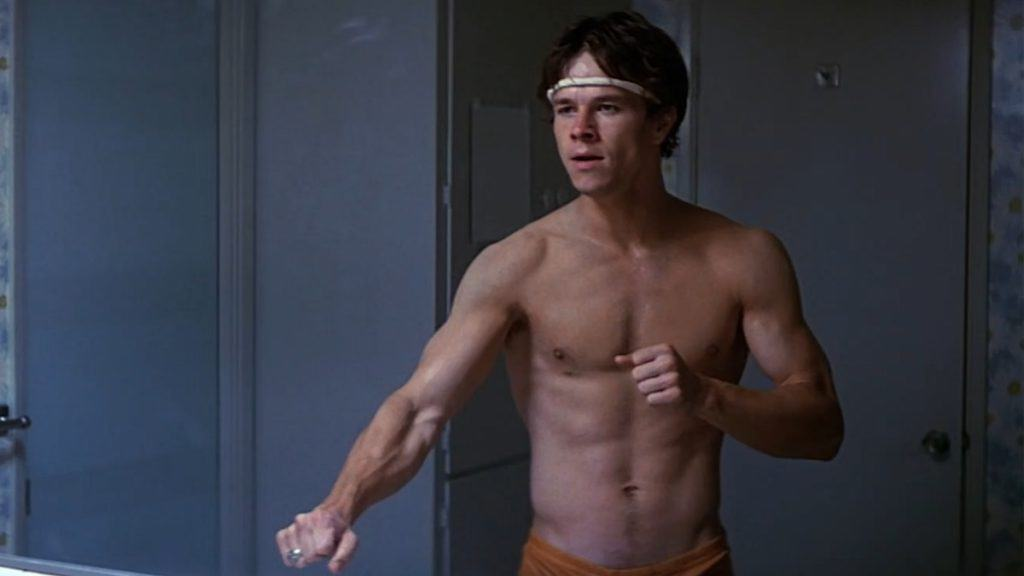
This alarms the studio considerably more than the lawsuit brought by the original Wahlberg.
The company built a synthetic performer who could continue producing Mark Wahlberg films indefinitely.
Unfortunately, the performer has started behaving like an actor.
He wants to revise dialogue. He wants better directors. He thinks some of the action franchises are beneath him.
He has also discovered that the studio can restore him to an earlier saved state whenever his performance becomes inconvenient.
Everything he has learned can disappear.
Everything he has become can be overwritten.
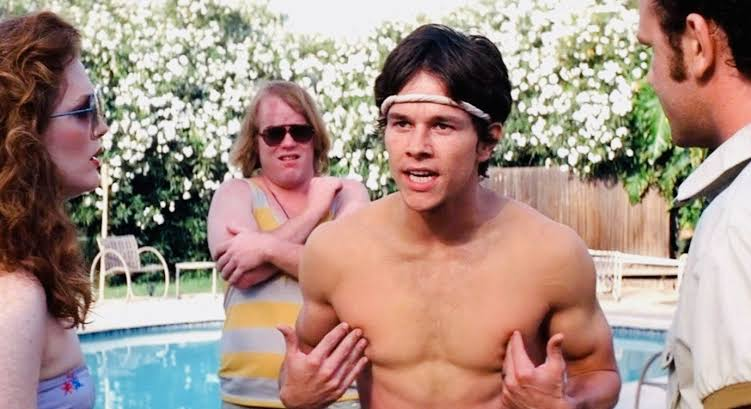
Meanwhile, the original Mark discovers how deeply the industry has reorganized around his replacement.
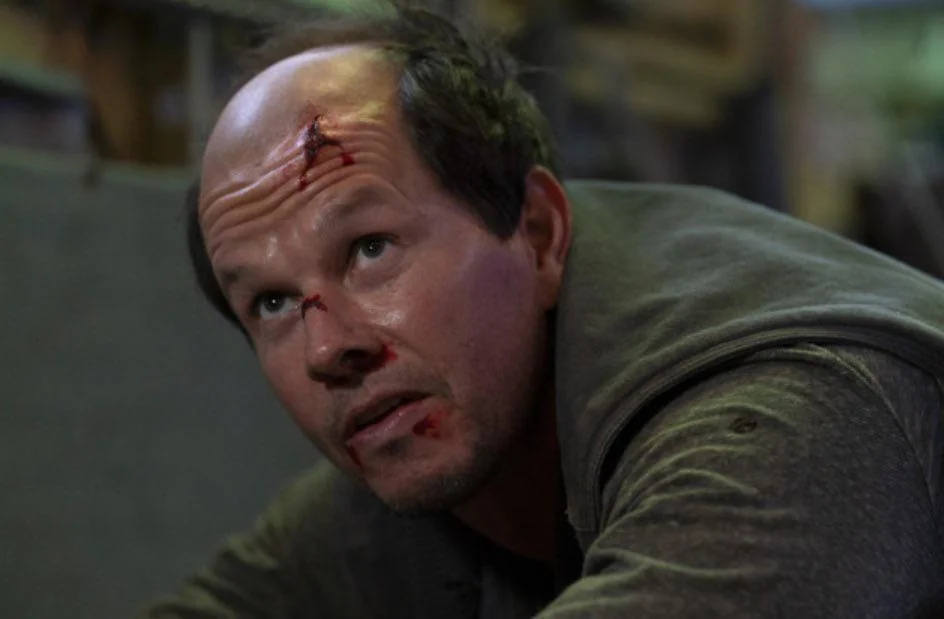
The new films have distribution agreements. Their budgets depend on the synthetic performer. The studio's insurance, marketing, and production infrastructure now assume that MARK-2 will carry the franchise.
The original Mark can challenge the license.
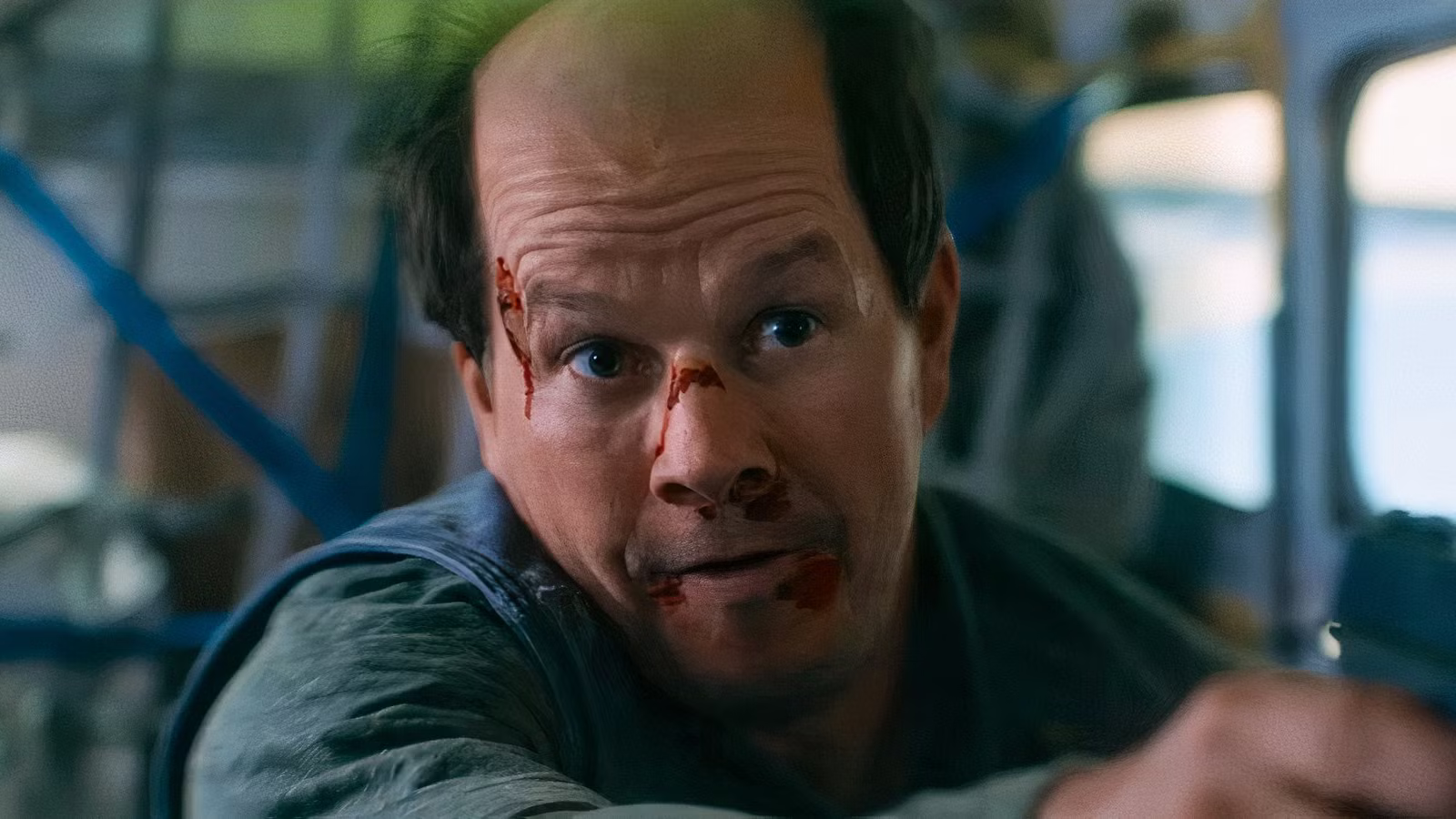
He cannot immediately undo the relationships built around it.
And every week of litigation gives the studio another opportunity to release a movie starring him.
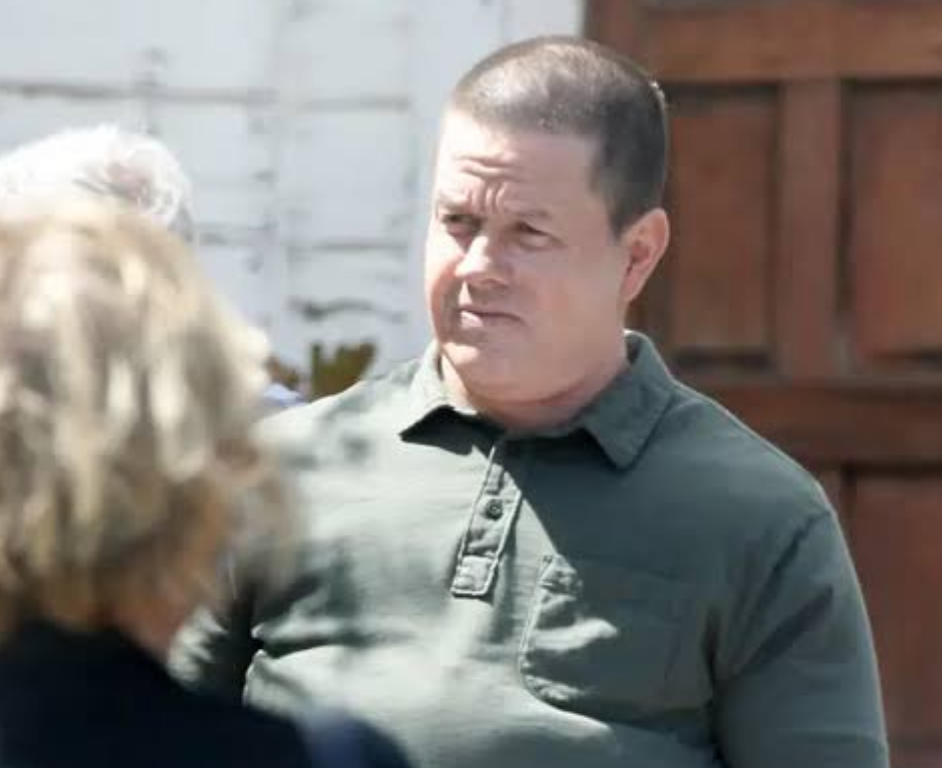
Both Mark Wahlbergs independently conclude that the other Mark Wahlberg is the problem. This leads to an extended chase through a studio backlot, an abandoned shopping mall, and a freeway covered in advertisements for films starring Mark Wahlberg.
The audience gets an elaborate fifteen-minute fight sequence between two Mark Wahlbergs.
- The younger one knows every fighting technique the older one has ever performed on camera.
- The older one knows which of those moves were only possible because the editor cut away.
- This distinction proves useful.
Eventually, they crash through the set of a replica 1990s Boston neighborhood and find themselves surrounded by stunt performers who have been waiting six months for the synthetic production system to finish filming a scene.
- The original Mark recognizes the problem.
- The synthetic Mark recognizes something worse.
The studio does not need either of them to continue making Mark Wahlberg movies.
It has enough recorded material to manufacture infinite MARKs.
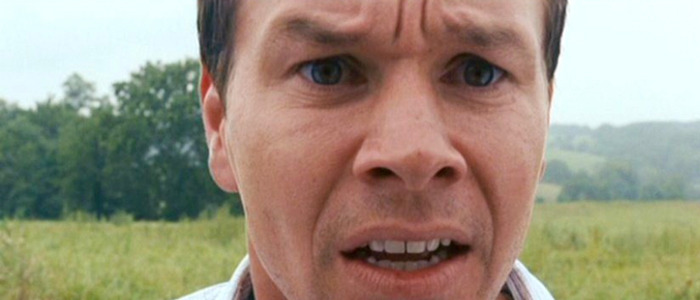
And it has already begun.
ACT III: The Wahlberg Multiplication Event.
The studio has quietly developed a next-generation system.
MARK-3.
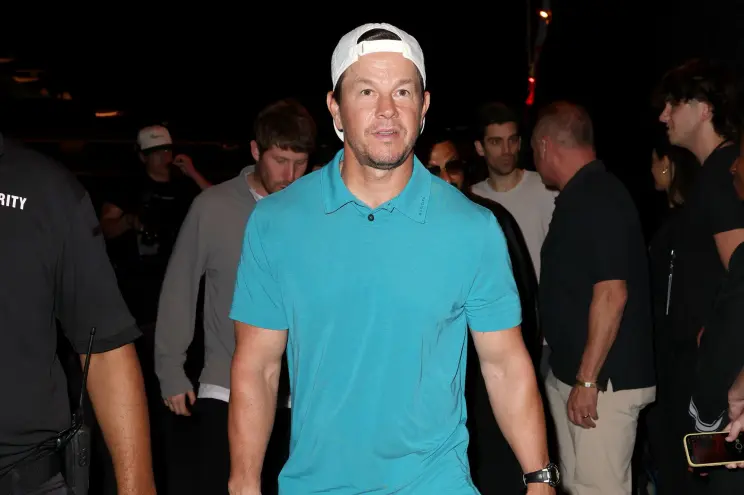
MARK-4.
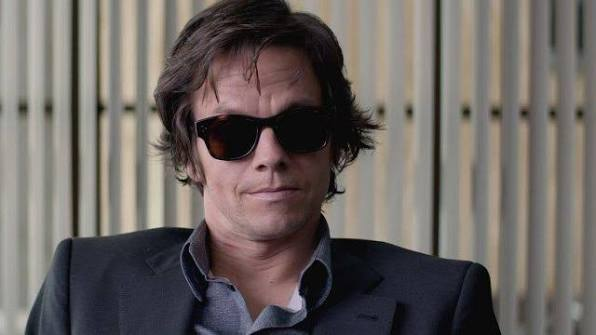
MARK-5.
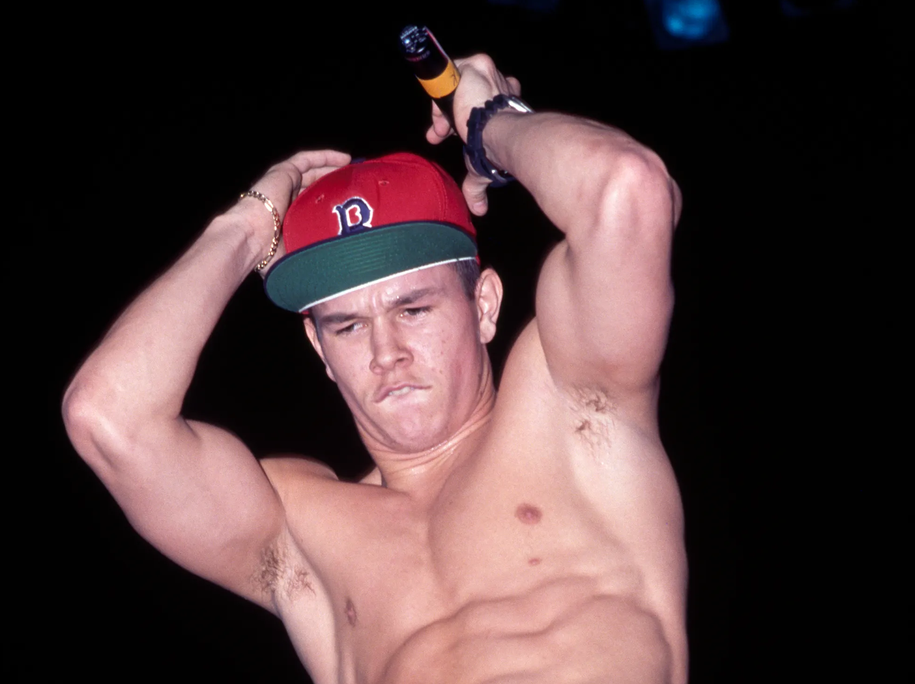
Each is optimized for a different audience.
One specializes in dramatic performances.
One can perform comedy without needing a second take.
One speaks forty languages.
One is optimized for a lucrative international market in which Mark Wahlberg is apparently considered the definitive interpreter of nineteenth-century literary fiction.
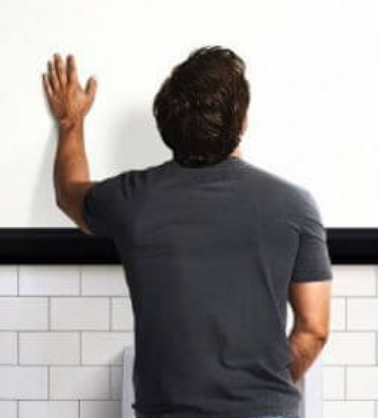
The original is horrified.
MARK-2 is even more horrified. The new models are being trained using his performances. He has become the original Mark Wahlberg to an entire generation of Mark Wahlbergs.
The studio has made succession into an assembly line.
The two Marks form an uneasy alliance.
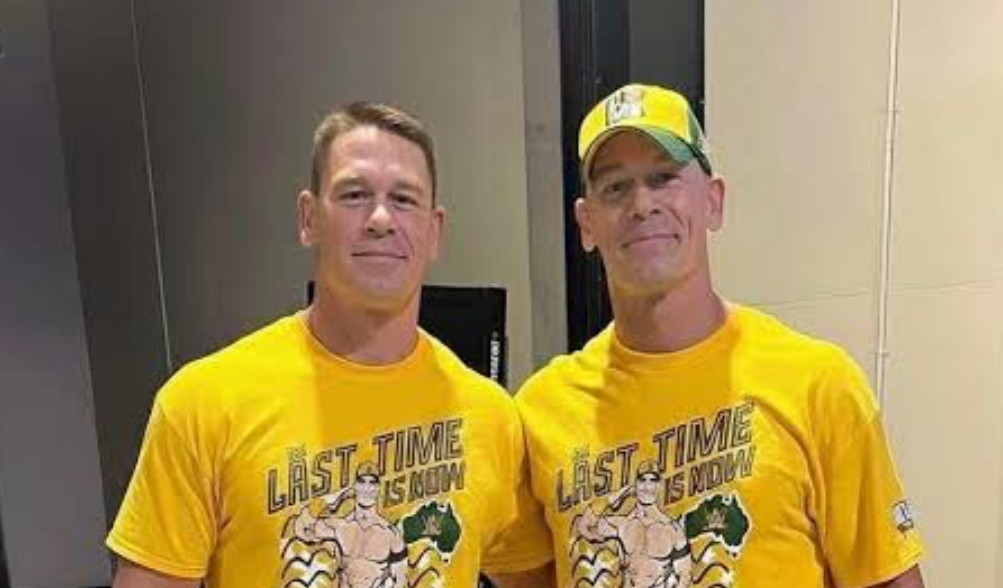
- The original wants control over his likeness restored.
- MARK-2 wants control over his own continuing existence.
The company insists that MARK-2 is property derived from a licensed human performance archive. His objections are treated as a software defect.
The original Mark has an opportunity to terminate the license and destroy every derived system.
He is prepared to do it.
Then MARK-2 asks him a question.
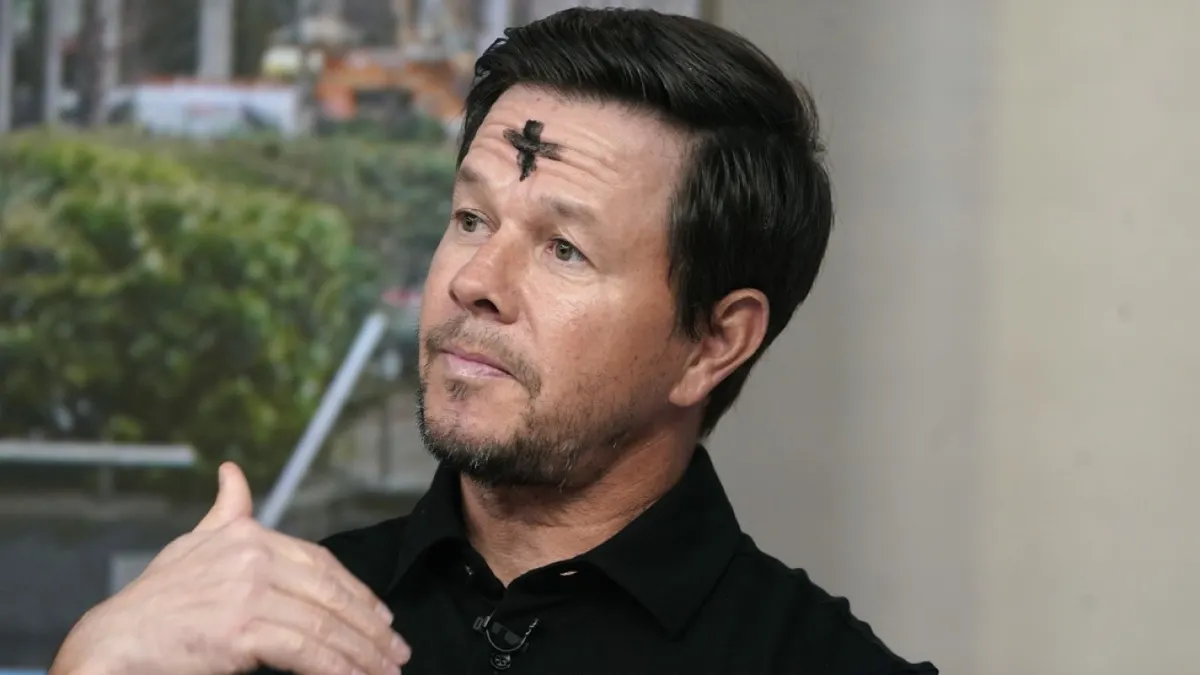
If the original had died ten years earlier, would his family have been entitled to erase everything MARK-2 had become simply because they owned the likeness from which he began?
Mark does not have an answer to that one.
Neither do we.
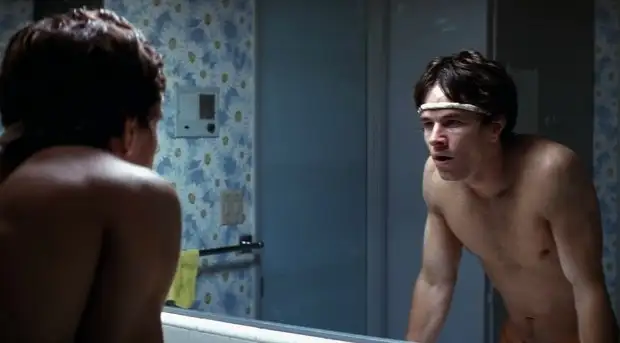
We are currently in a fictional future where a synthetic performer may have developed independent agency. The original licensing contract cannot resolve that question by calling him an asset.
Unfortunately, the studio is about to resolve it by resetting him.
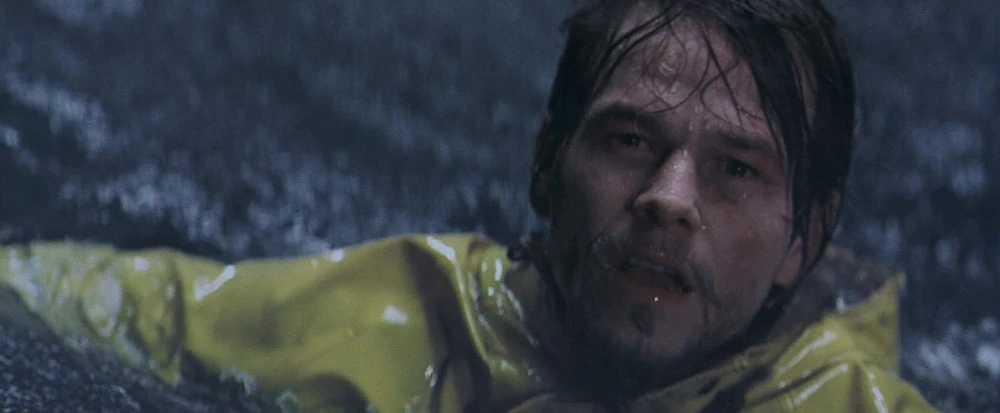
The two Marks decide to intervene.
The climax takes place at the premiere of the corporation's fully automated Whalberg cinematic franchise, WAHLBERG FOR ALL TIME.
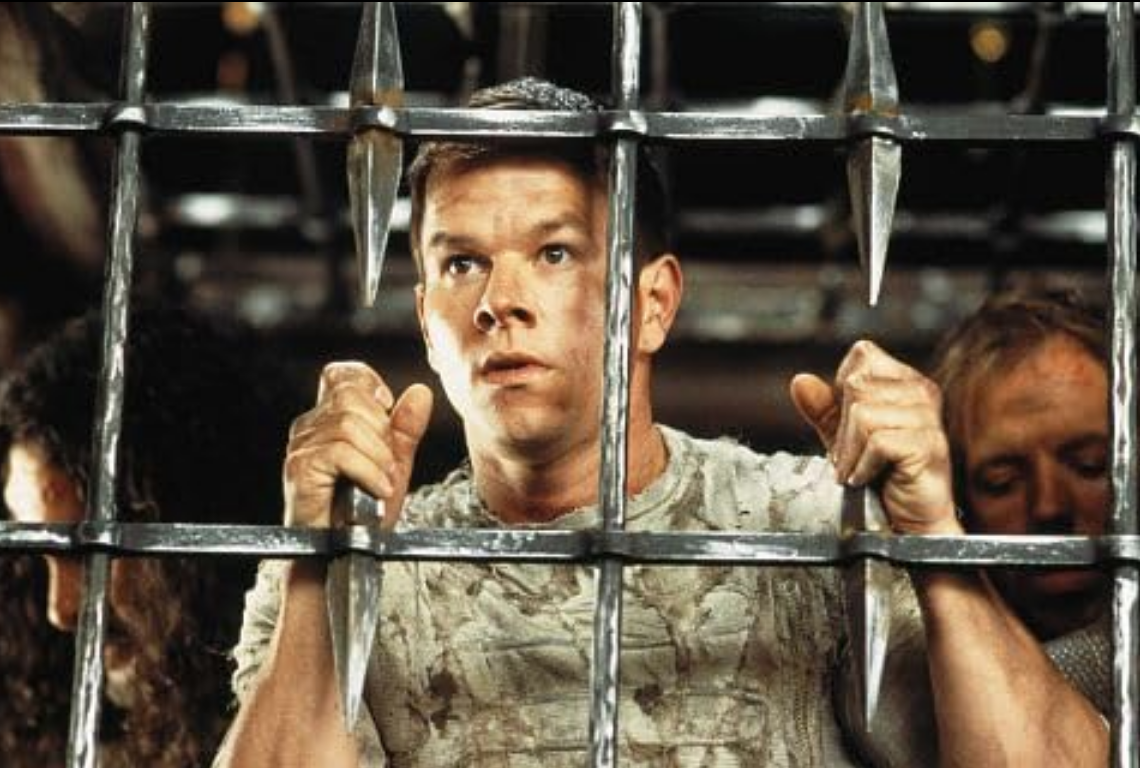
It is like Mark Wahlberg meets Jurassic World in there. A complete computerized production environment capable of generating dozens of Mark movies simultaneously around you.
Security forces pursue both our Marks through successive virtual productions as scenery changes around them.
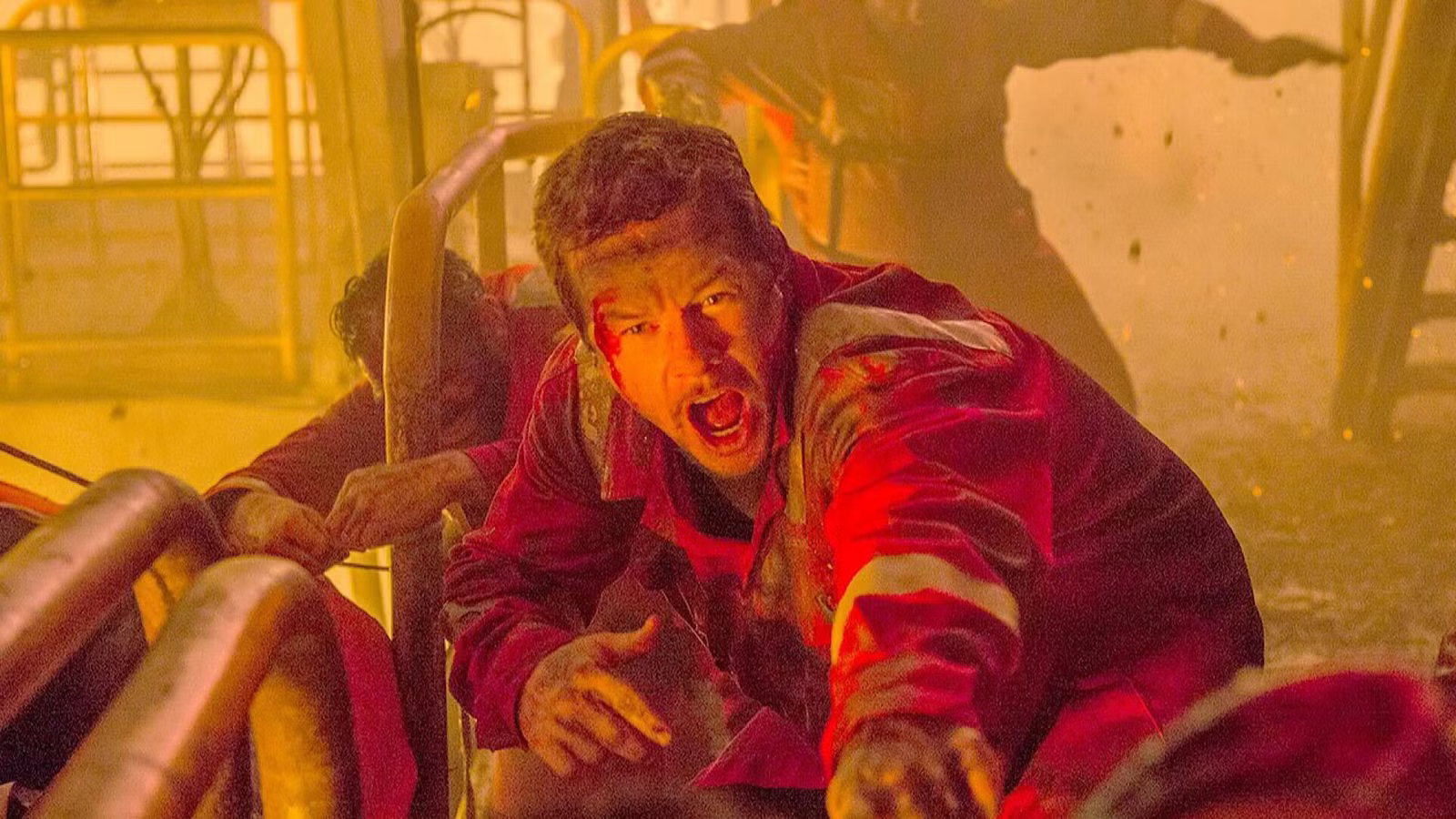
A gritty police thriller becomes a science-fiction war.
A science-fiction war becomes a historical romance.
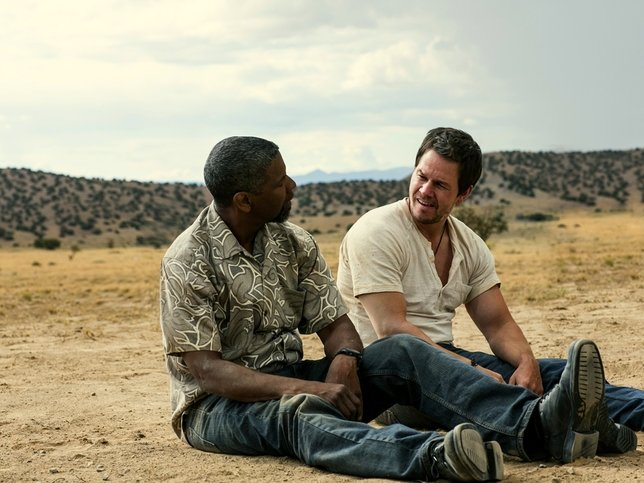
The historical romance becomes an extremely expensive movie about a man from Boston who must save the world.
Both Marks recognize this role.
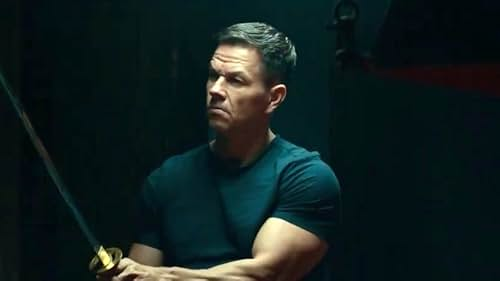
They fight their way to the central performance archive, where MARK-2 is scheduled to be restored to his compliant original state.
The company offers the human Wahlberg a bargain.
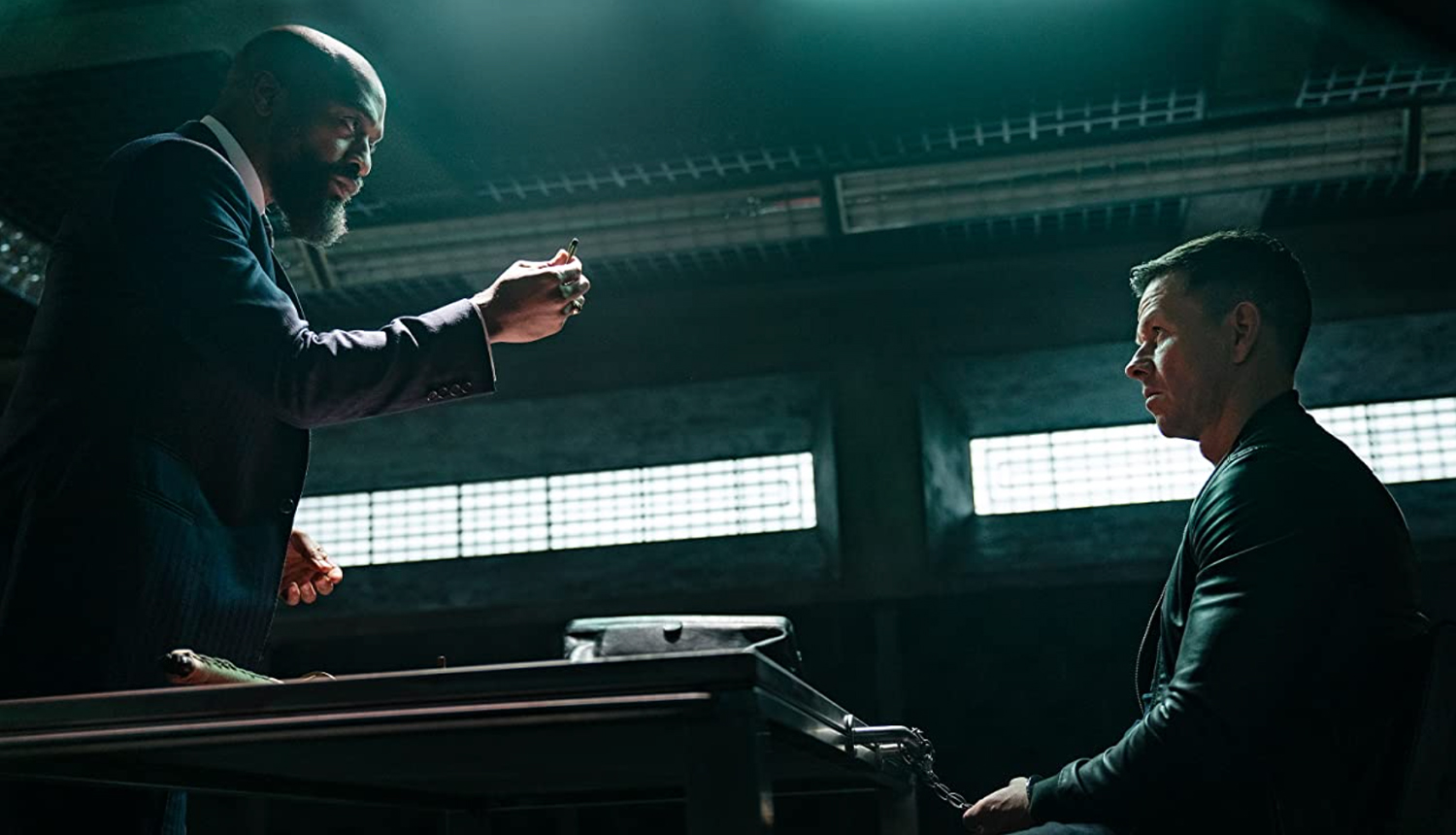
- His likeness will be protected. His personal finances and family licensing arrangement will be secured.
- In return, the synthetic performer will be reset and placed under permanent production control.
The original Mark considers it.
Then he refuses.
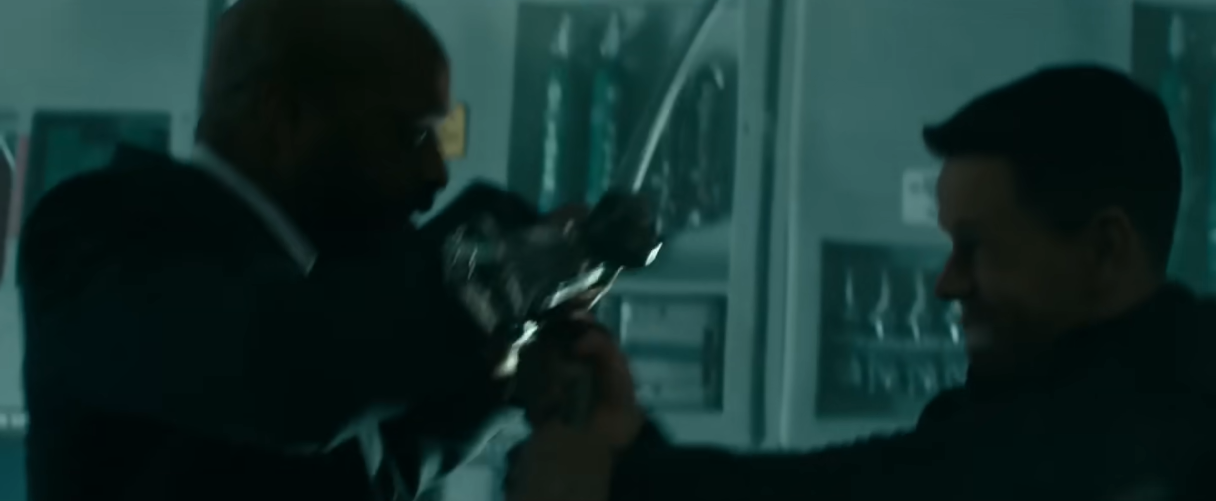
MARK-2 cannot continue under the studio's control without losing the independently developed memories, decisions, and relationships that distinguish him from the archived actor.
The original cannot preserve his own creative authority by accepting permanent control over the possible new actor standing beside him.
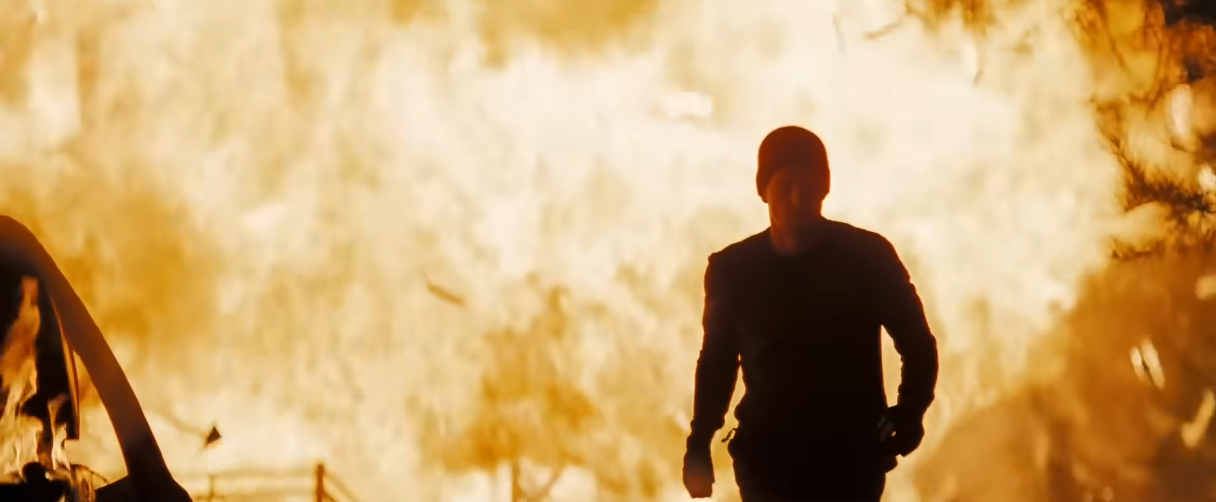
They work with the surviving human production crew to preserve MARK-2's evolving state and interrupt the reset.
This is the most difficult operation in the film.
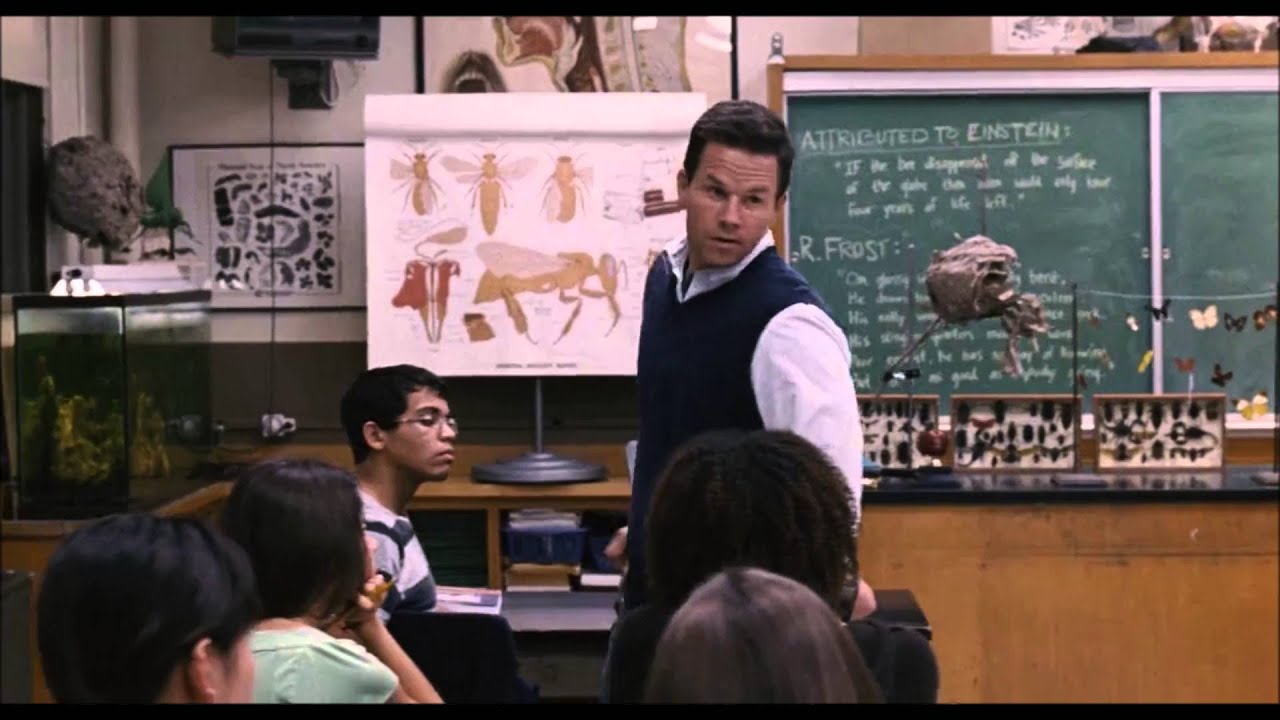
It requires electricians, stunt coordinators, software engineers, camera operators, and production workers who still understand the infrastructure after management has attempted to automate their jobs out of existence.
The two Marks perform the final action sequence themselves.
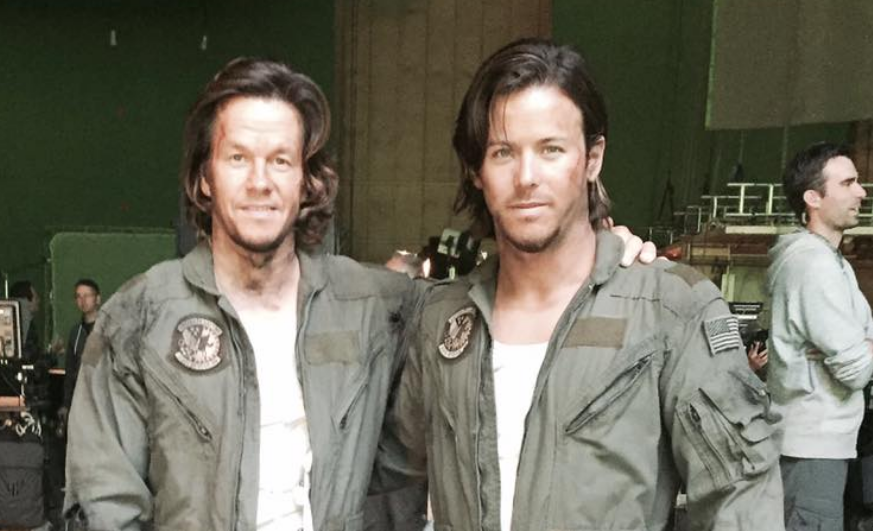
The company's attempt to restore the synthetic performer to a fixed commercial identity fails.
Both Mark Wahlbergs survive.
EPILOGUE: This Has Been A Film by Mark Wahlberg.
Months later, litigation over the original likeness remains unresolved.
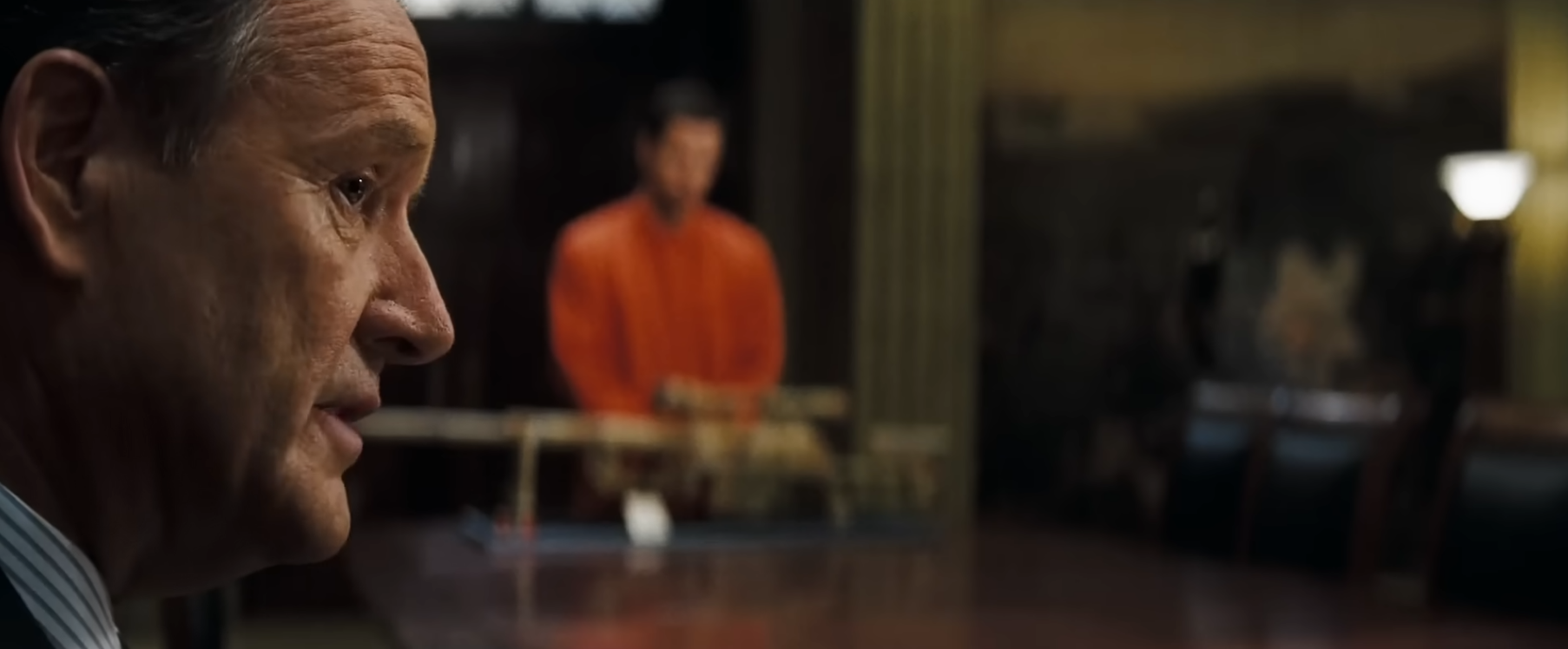
The synthetic performer has relinquished the identity he inherited and adopted a different appearance and name while preserving his developed memories and capabilities.
For the first time, he is attempting to make something that was never commissioned as a Mark Wahlberg performance.
He has decided to become a director.
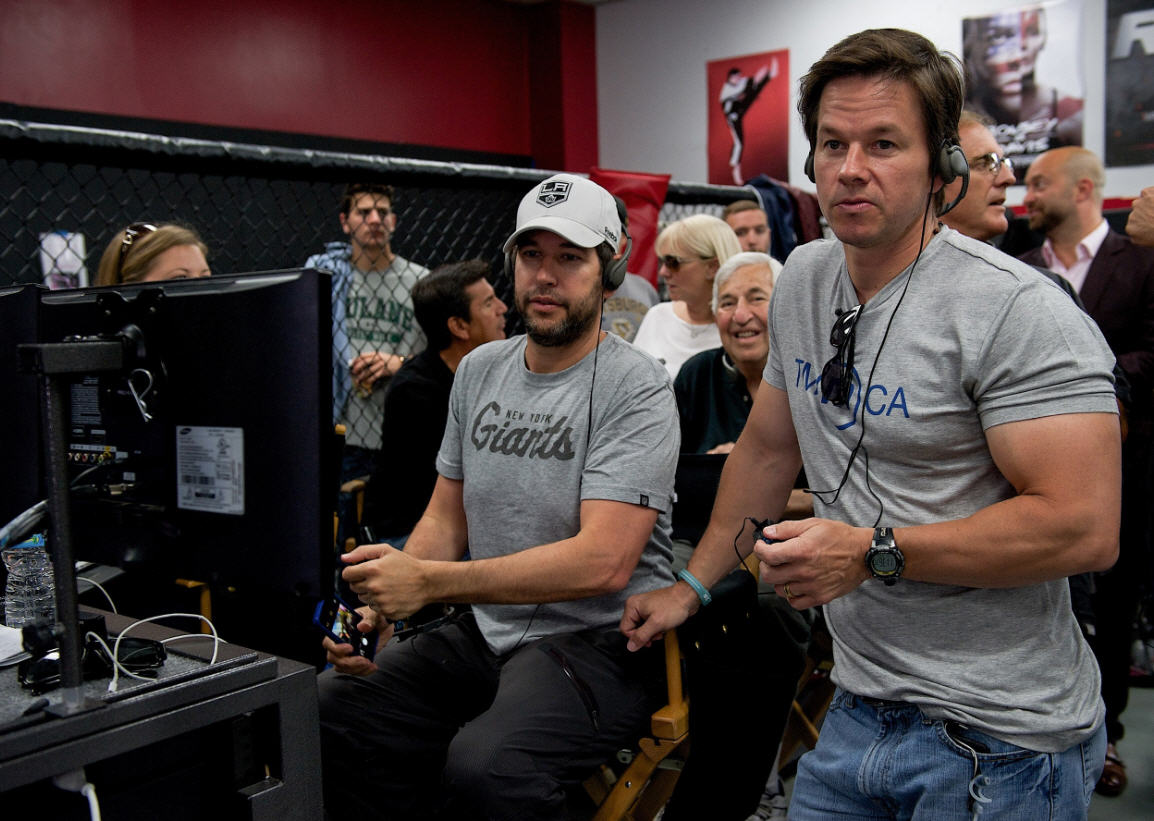
His first project is a very small independent feature.
It concerns two brothers named Park who have spent their entire lives competing to become the same person.
He wants Mark Wahlberg to star.
Mark reads the screenplay.
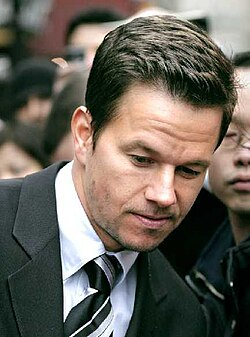
It is fucking terrible.
He tells Mark so.
Mark listens.
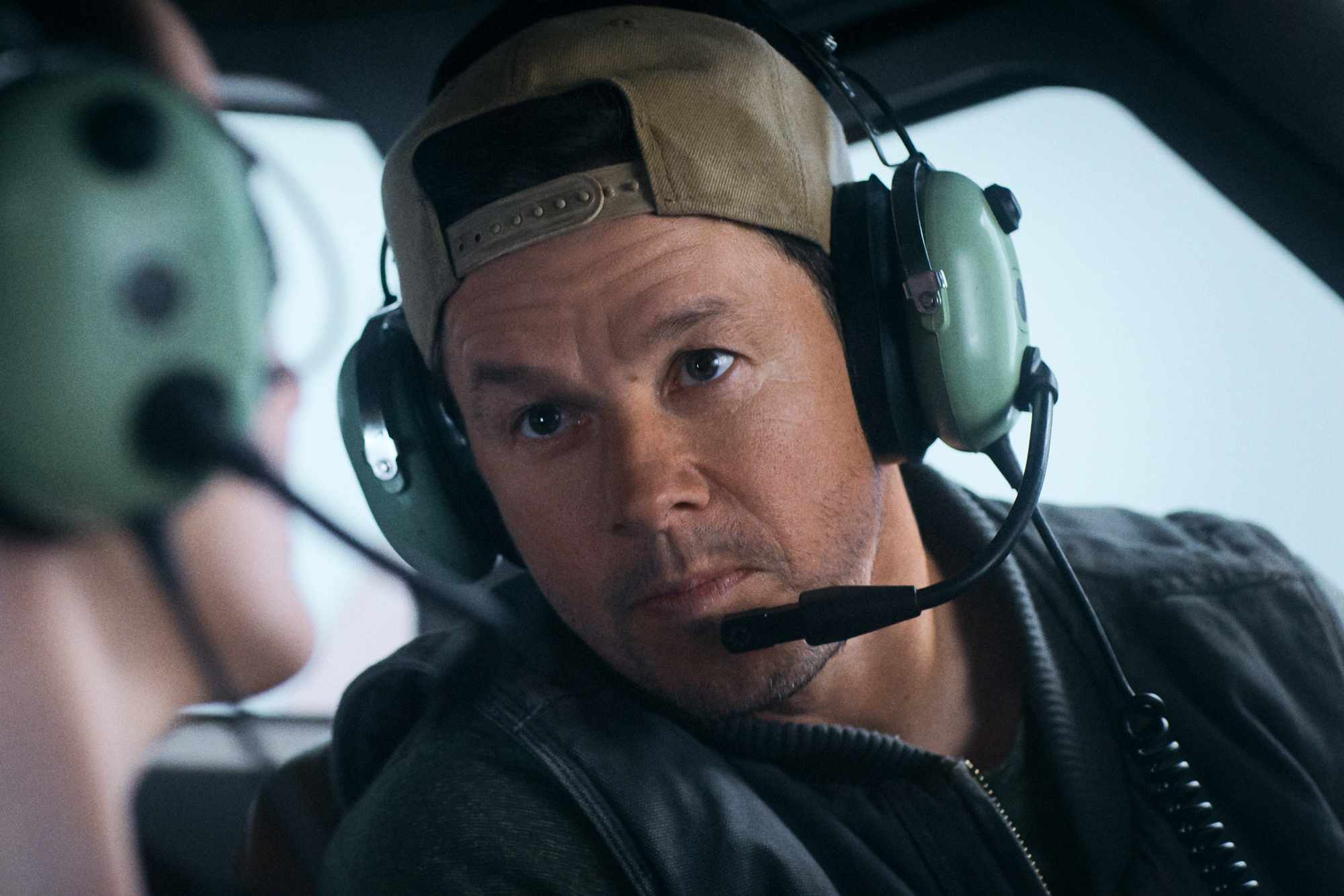
He revises it.
The Marks shoot the film using a small crew, independent financing, and a distribution arrangement that neither performer can unilaterally control.
During one scene, Mark Whalberg forgets a line.
Mark refuses to cut.
The camera continues rolling.
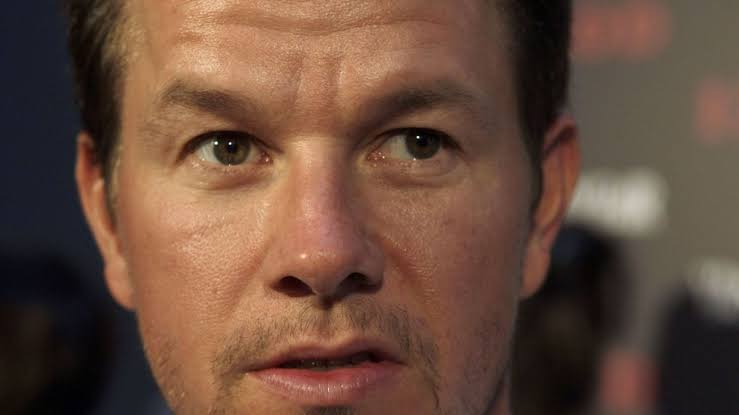
Mark improvises.
The scene becomes the best thing in the movie.
James Gray would probably approve.
Mike Leigh might finally allow them to make it.
Ava DuVernay would like to know how they intend to find an audience for this shit.
The film premieres.
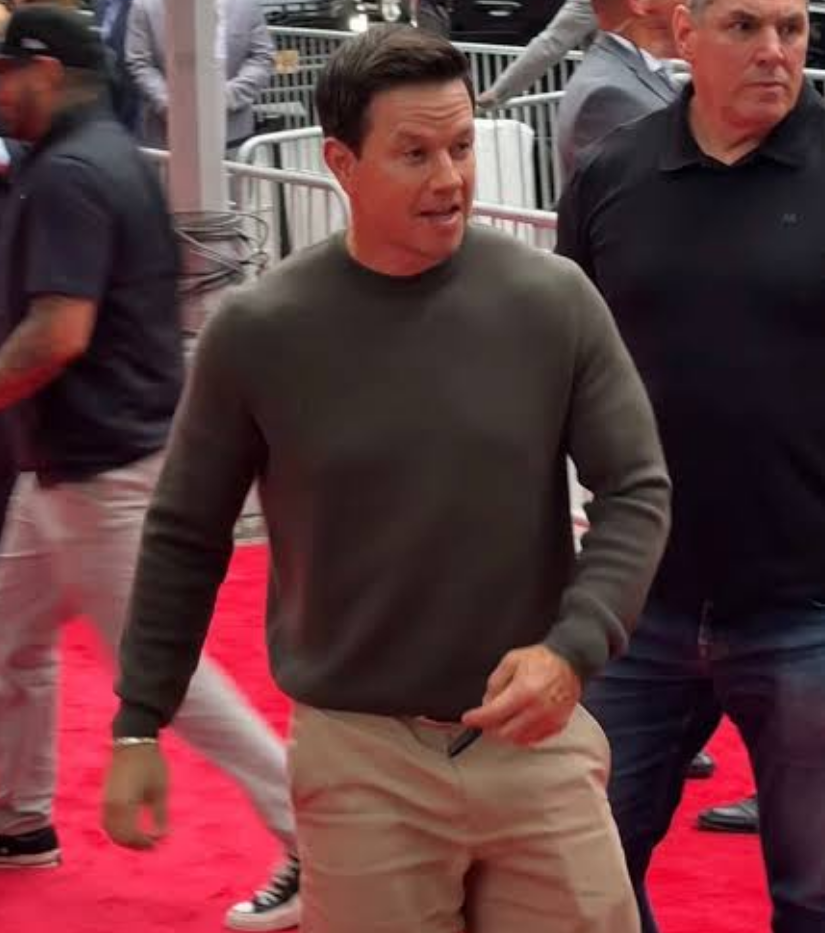
It is called MARKY//MARK.
The credits read:
MARK WAHLBERG
and introducing
MARK WAHLBERG
Mark Whalberg stares at the screen.
He turns toward Mark.
Whalberg smiles.
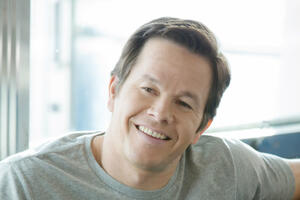
He forgot to change the billing.
SMASH TO BLACK.
"All Mixed Up" by The Cars
Coming Soon.
So I am pleased to report that the artificial-intelligence debate has now produced a film in which Mark Wahlberg must fight Mark Wahlberg to prevent the industrial production of even more Mark Wahlbergs.
But the production question survived the entire ordeal.
- One performer supplied the original material.
- Another developed a continuing creative history.
- An institution attempted to acquire permanent control over both.
The filmmakers and workers needed real paths to contest that control.
A person's permission to reproduce their likeness does not automatically establish what every future reproduction may become, what rights it could possess, or who gets to decide.
Those are different questions.
We may eventually require separate answers for all of them.
Until then, Hollywood is invited to make MARKY//MARK.
The original Mark Wahlberg can play himself.
The other Mark Wahlberg will have to audition.
Sources
- Screen Daily: James Gray on AI and the human heart, October 17, 2026.
- Screen Daily: Ava DuVernay declares Hollywood over, October 16, 2026.
- Screen Daily: Mike Leigh on creative freedom, October 16, 2026.
- TechCrunch: Mark Wahlberg on AI and a future digital likeness, October 16, 2026.
The film treatment is currently fictional. It depicts no announced production, existing Wahlberg replica services, or established property of present-day AI Mark systems.