Modal Path Ethics Has Been Published
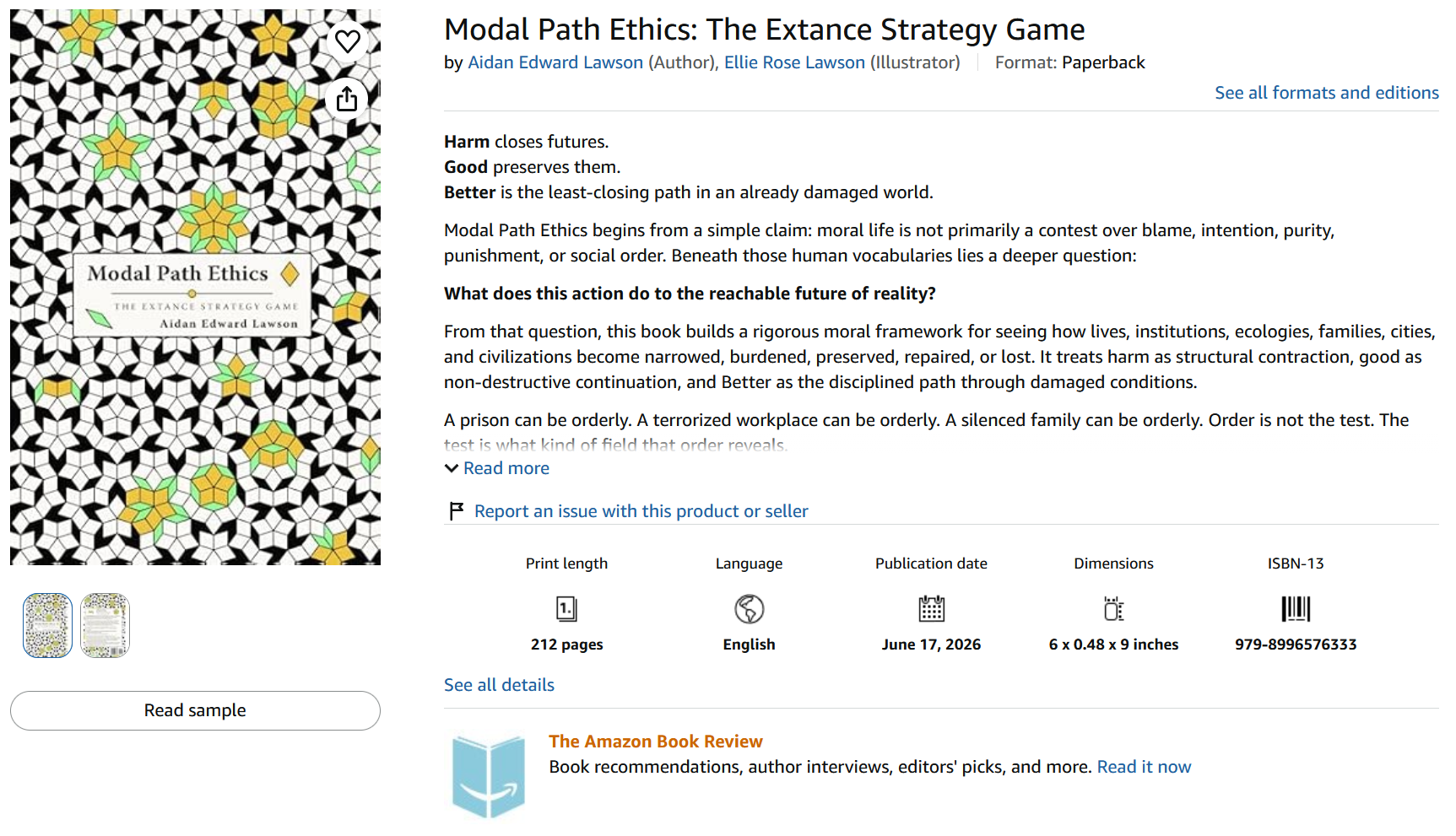
Modal Path Ethics has been published.
Note 9/22: Free pdf copy of the original is now available:
There is no longer anything anyone can do about this.
A more orderly launch was planned. The corrected paperback interior had been uploaded, but the intention was to wait until every remaining Amazon machine had acknowledged the correction before gathering everyone together and declaring that this event had occurred.
This plan was defeated when my father began promoting the book on LinkedIn without obtaining prior authorization.
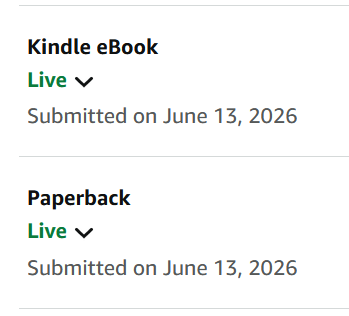
The launch sequence has therefore been initiated by paternal enthusiasm. Amazon has already linked the Kindle and paperback editions. The book is live. The ceremony must proceed.
This is a solemn occasion for Modal Path Ethics.
Moral frameworks are generally safer before they become objects. While they remain unfinished language, they can move. They can revise themselves in contact with new cases. They can abandon formulations that no longer carry their intended weight. They can insist that the real framework is not the sentence, diagram, article, or person presently attempting to express it.
A book is less evasive.
A book has a cover. It has page numbers. It has an ISBN. It occupies space in a warehouse. Someone can place it on a table, point toward it, and say: there. That is Modal Path Ethics.
This is obviously dangerous.
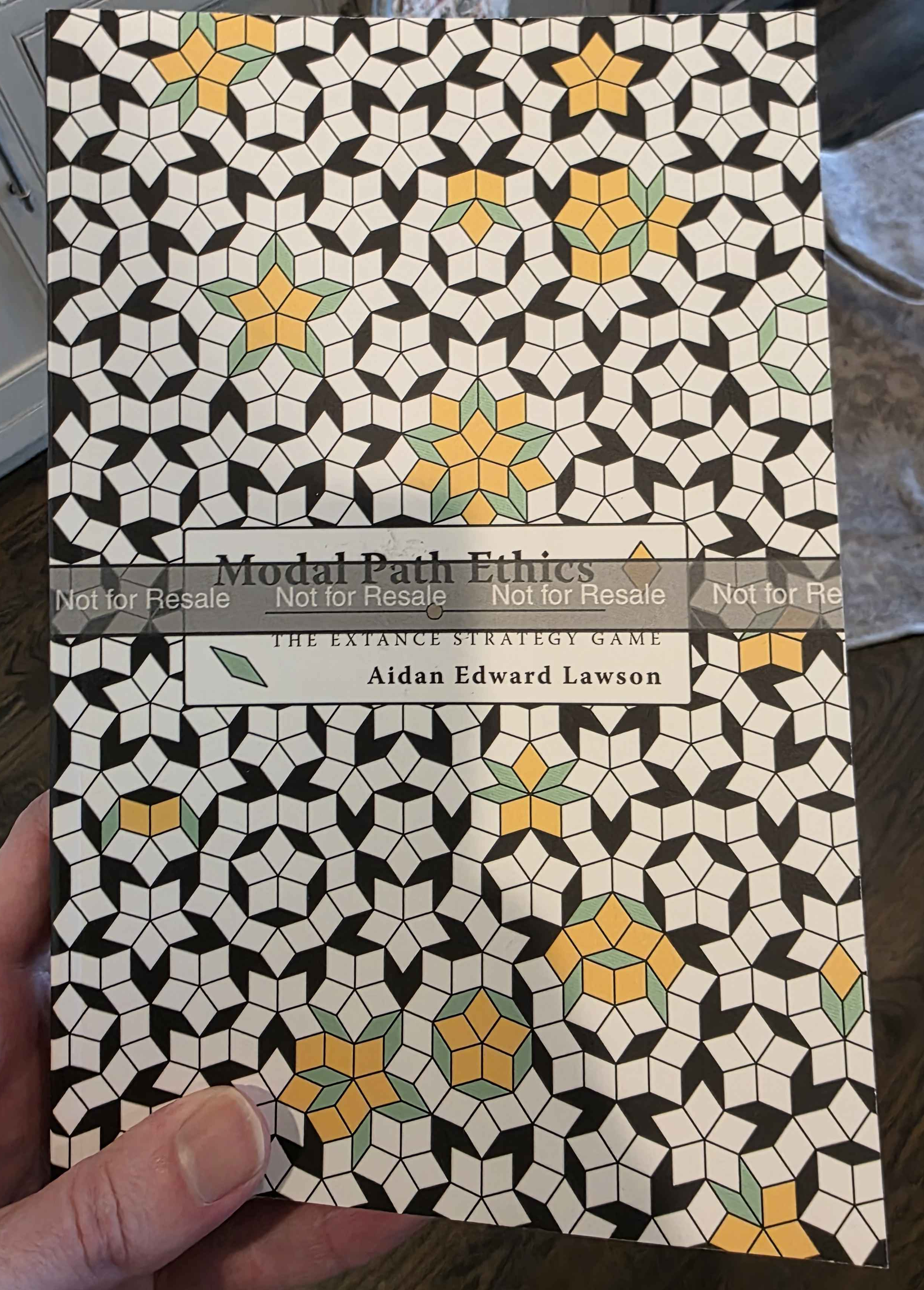
Modal Path Ethics: The Extance Strategy Game is the first attempt to present the framework as one complete structure: its account of harm, moral value, tragic choice, responsibility, punishment, care, institutions, civilizational drift, and the preservation or destruction of reachable futures.
It also includes the plain-English concept sheets, formal appendices, glossary, and Chirality, the abstract strategy game built to train the same kind of structural attention.
This makes the book more complete than any single article on this site.
It does not make the book final.
Modal Path Ethics is not supposed to become a sealed answer that subsequent thought must defend. It is an instrument for examining what actions do to the remaining future: what they close, what they preserve, what burdens they transfer, what damage they normalize, and what forms of Better they leave reachable from the state that actually exists.
The book should be judged on whether it helps anyone do that.
It should be corrected where it fails. It should be extended where it stops too early. It should be replaced wherever a better instrument becomes available. If its language survives, that language should survive because it remains useful, not because it appeared between two covers and acquired a misaligned barcode.
Publication does not resolve the framework. It exposes it.
That is the proper result.
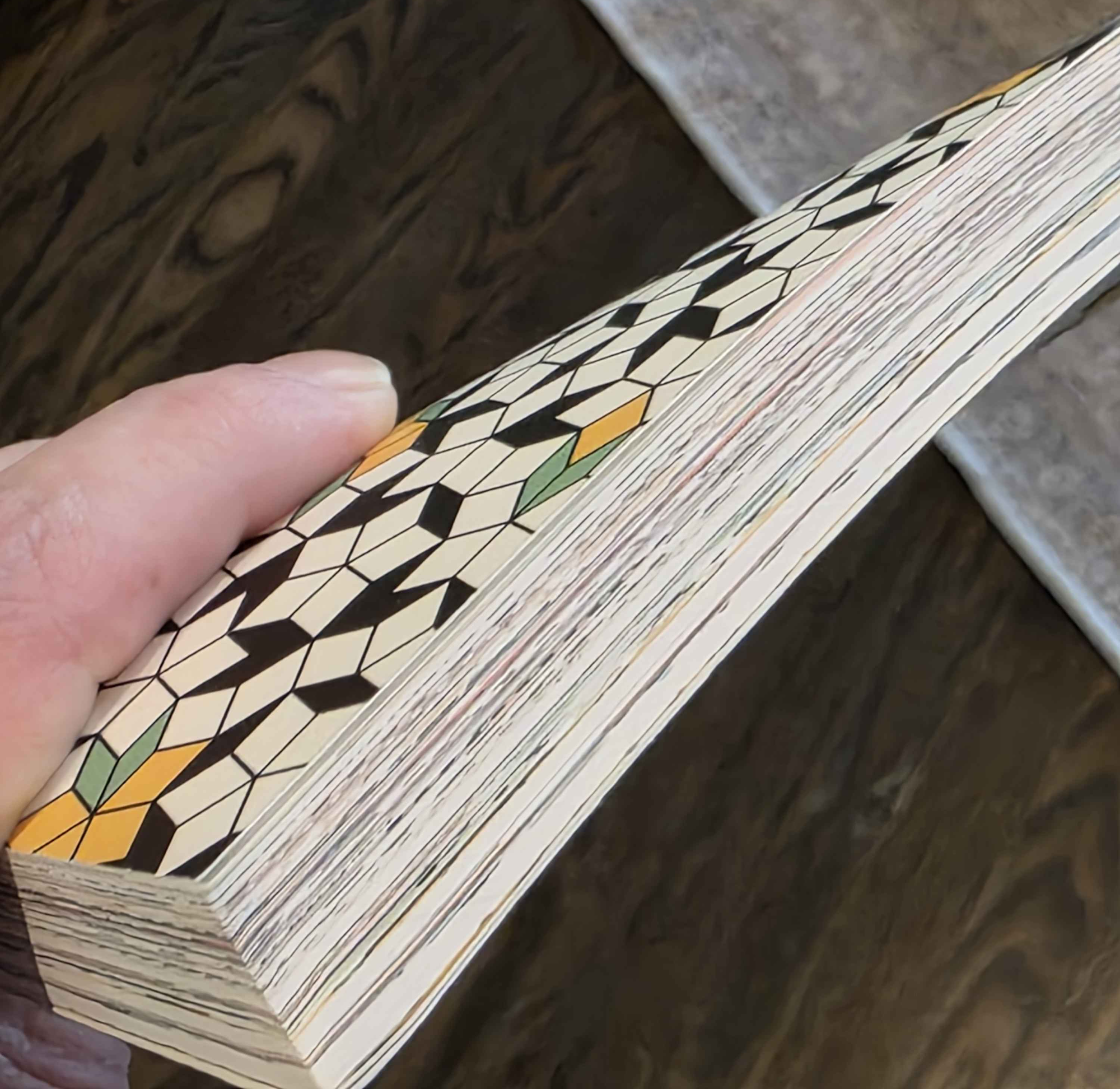
The earliest paperback copies also contain three small border errors, because apparently no moral system is permitted to enter physical reality without acquiring minor damage during incarnation. A corrected interior has already been uploaded. These first copies may therefore become rare documentary evidence that Modal Path Ethics briefly failed to preserve the reachable future of several page margins.
The underlying text is unchanged.
More importantly, the work remains unfinished in the larger sense. The book does not close the project behind it. It establishes a common floor beneath the next parts of the work: the Applied Cases, Field Instruments, games, technical systems, Transition Actions, failures, corrections, and increasingly inadvisable encounters with the world.
This site will continue tomorrow.
Modal Path Ethics has spent years arguing that moral value does not consist in reaching a clean final state. We act from inherited conditions, through damaged systems, under incomplete knowledge, toward futures we cannot fully secure.
It would therefore be suspicious if the framework itself received a perfect launch.
Instead, the book escaped while one border-based correction was still propagating through Amazon because my father was proud of me.
This is probably more appropriate.

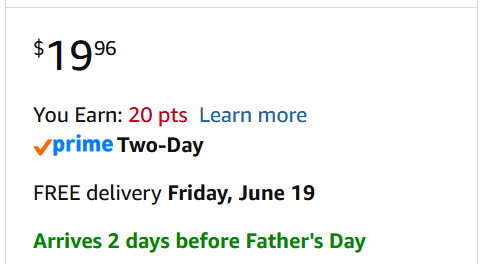
- The Kindle and paperback editions of Modal Path Ethics: The Extance Strategy Game are now live.
- It is also available on Itch.io, because it is a game and a book, I don't have to justify myself to you.
The framework has become an object.
It can now be purchased, read, argued with, misunderstood, applied, criticized, repaired, and exceeded.